
…like the one who wrote the following hateful opinion piece:
http://www.chinookobserver.com/co/outdoors/20150120/fish-feathers-let-steller-sea-lions-go-extinct
Let Steller sea lions go extinct
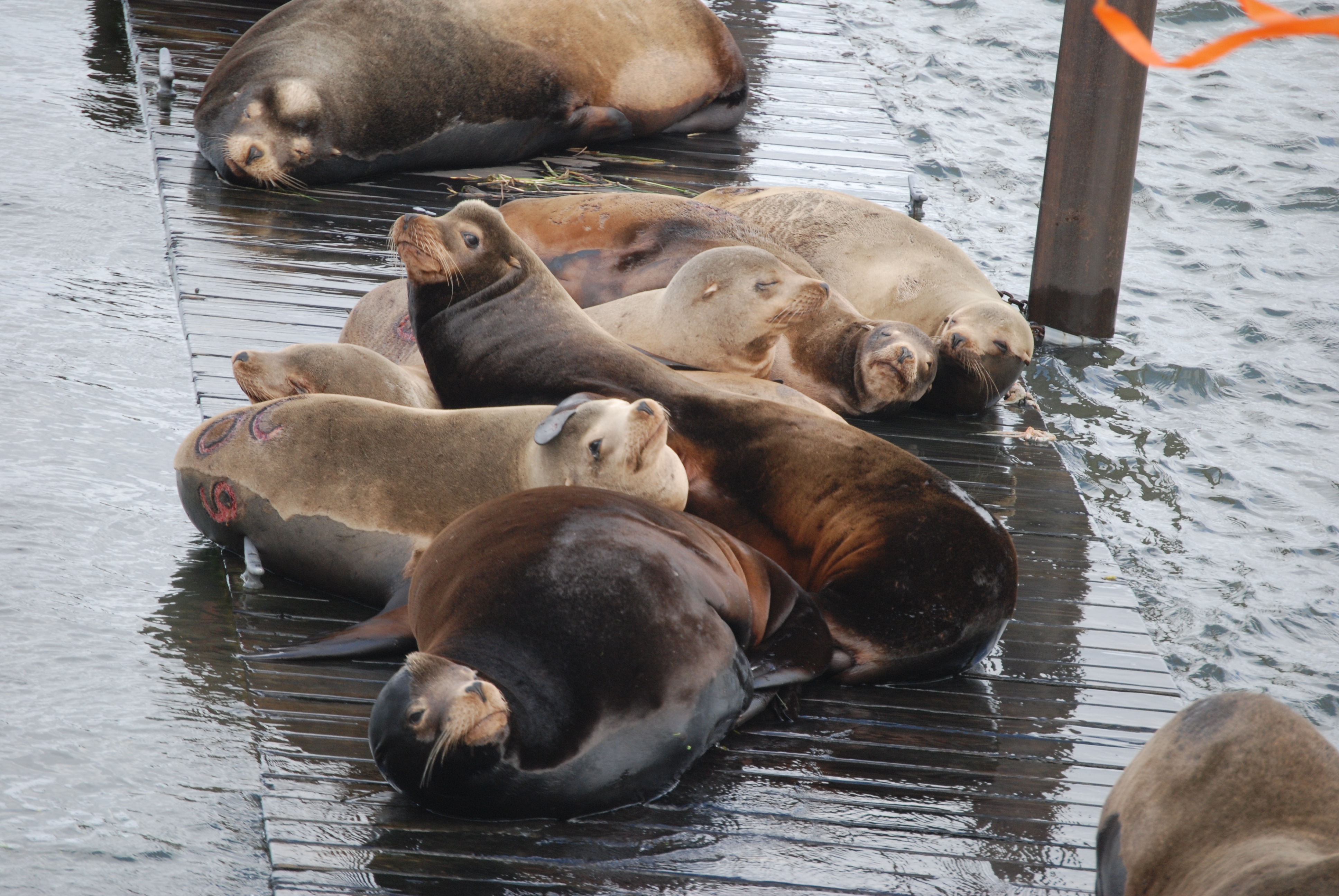
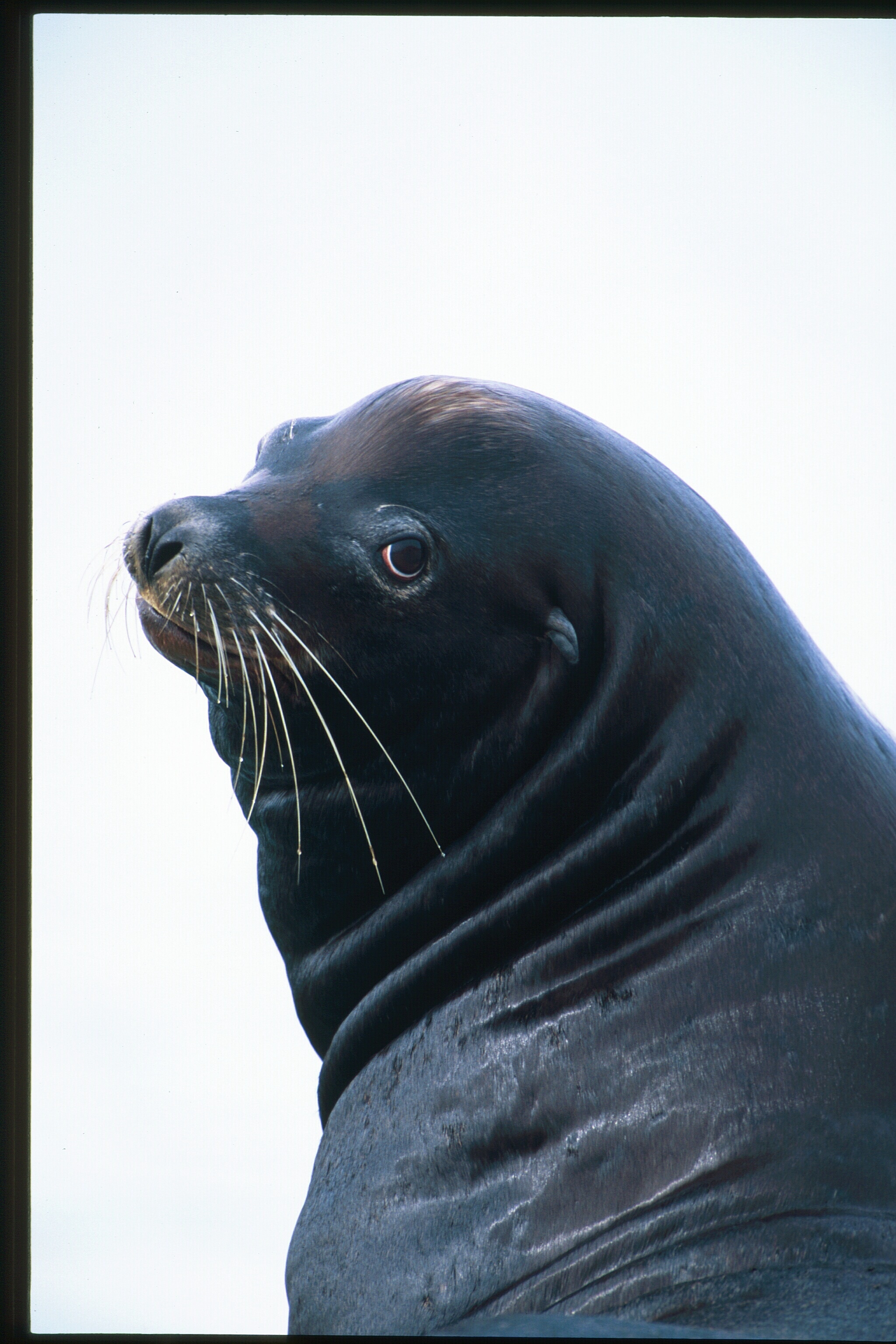
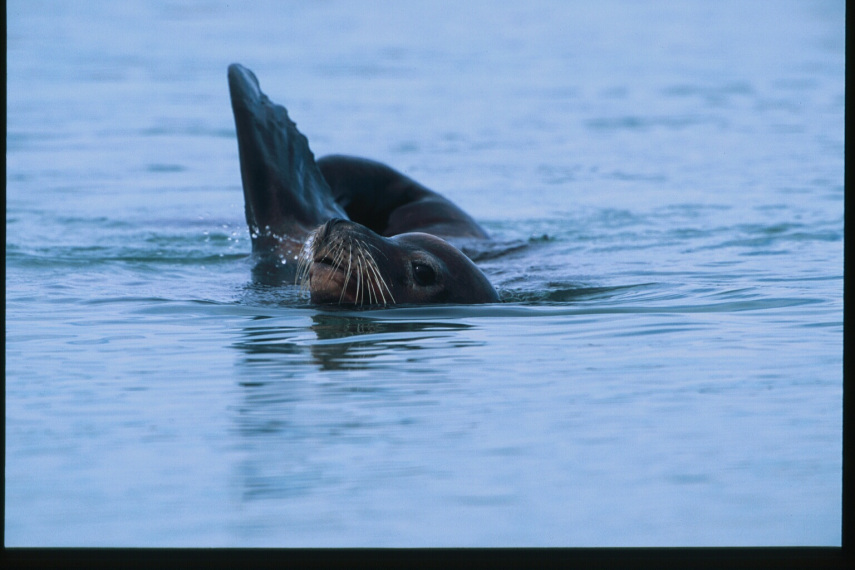
Steller sea lions have been in the news a lot lately. Although recent articles expound around the virtues of bringing back endangered species such as sea lions from close to extinction, the Steller sea lion is not one of the more popular species enamored by certain portions of society.
Not only do Stellers prey on all types of salmon but they also have been found to take 85 percent of the sturgeon that fall to depredation.
Remember all the flounder we used to catch in the river during sturgeon season 8-10 years ago? Well, they are a thing of the past, thanks to Mr. Steller
The Washington Department of Fish & Wildlife has recommended listing tufted puffins on the state’s endangered species list and removing Steller sea lions from the state’s threatened species list, which may lead to a lethal means of reducing Steller numbers. Written comments can be submitted (wdfw.wa.gov/commission) through Jan. 23. A public hearing is scheduled Feb. 6 and 7 at the WDFW meeting.
Steller sea lions are the larger of the two sea lion species found in Washington and have been protected by the state as a threatened species since 1993. The species received federal protection under the Endangered Species Act in 1990 and the National Marine Fisheries delisted the eastern population ranging from northeast Alaska to northern California in December 2013. The population in that area has grown from 18,000 in 1979 to 70,000 in 2010. [Meanwhile, the human population grows by 200,000 per DAY!]
More than 1,500 Steller sea lions have been counted in Washington in recent years, compared to approximately 300 spotted during surveys in the early 1990s.
The millions of dollars that are spent trying to replenish salmon is just money going down the drain when you have a predator such as Steller sea lions in the Columbia River. The methods used to protect the “lions” are counter-productive to what we are trying to accomplish. In nature, sometimes it is best to leave things be as they may and not try to recover a particular species, as in this case.
Another case in point is the wolf, where God only knows how many millions have been spent to re-introduce it, and then find out that it has devastated deer and elk herds across the western U.S. Much of this is being benighted by the “dogooders,” the feds and the scientific community, but it’s a fact. In the near future, we will be trying to rebuild the lost elk and deer herds having been lost to those cute little wolves.
When is this world going to realize that not everything needs to be saved?







 Exposing the Big Game