Things you see when you don’t have a camera

A trip to town yesterday was pretty amazing, wildlife-wise. Unfortunately I didn’t bring my camera. From the north side of the Astoria bridge we saw the humpback whale who’s been seen hanging out around in the lower Colombia River for a few days.

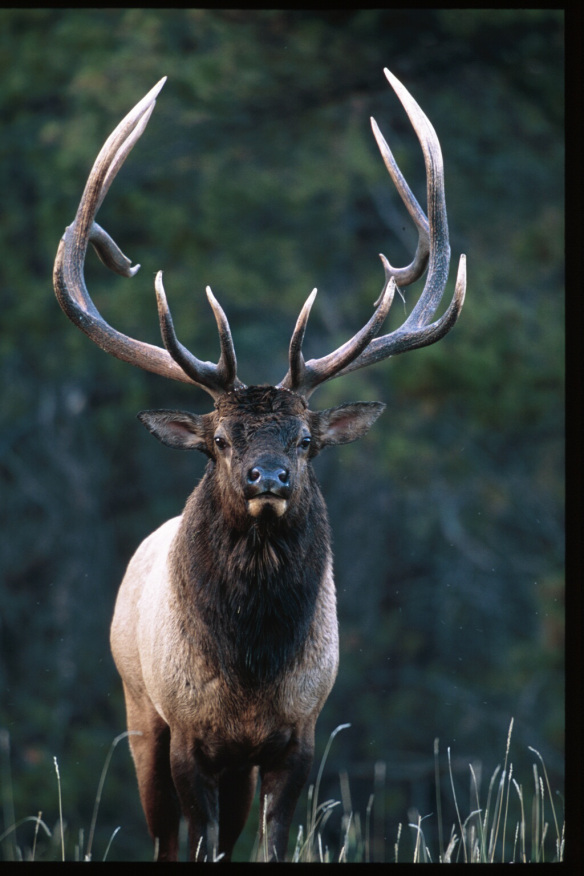
Then, after visiting the sea lions who reside on the East Moring Basin docks, we went to Hammond, by to Fort Stevens State Park, and watched a friendly herd of elk close up in a scene reminiscent of Mammoth Village in Yellowstone National Park. 

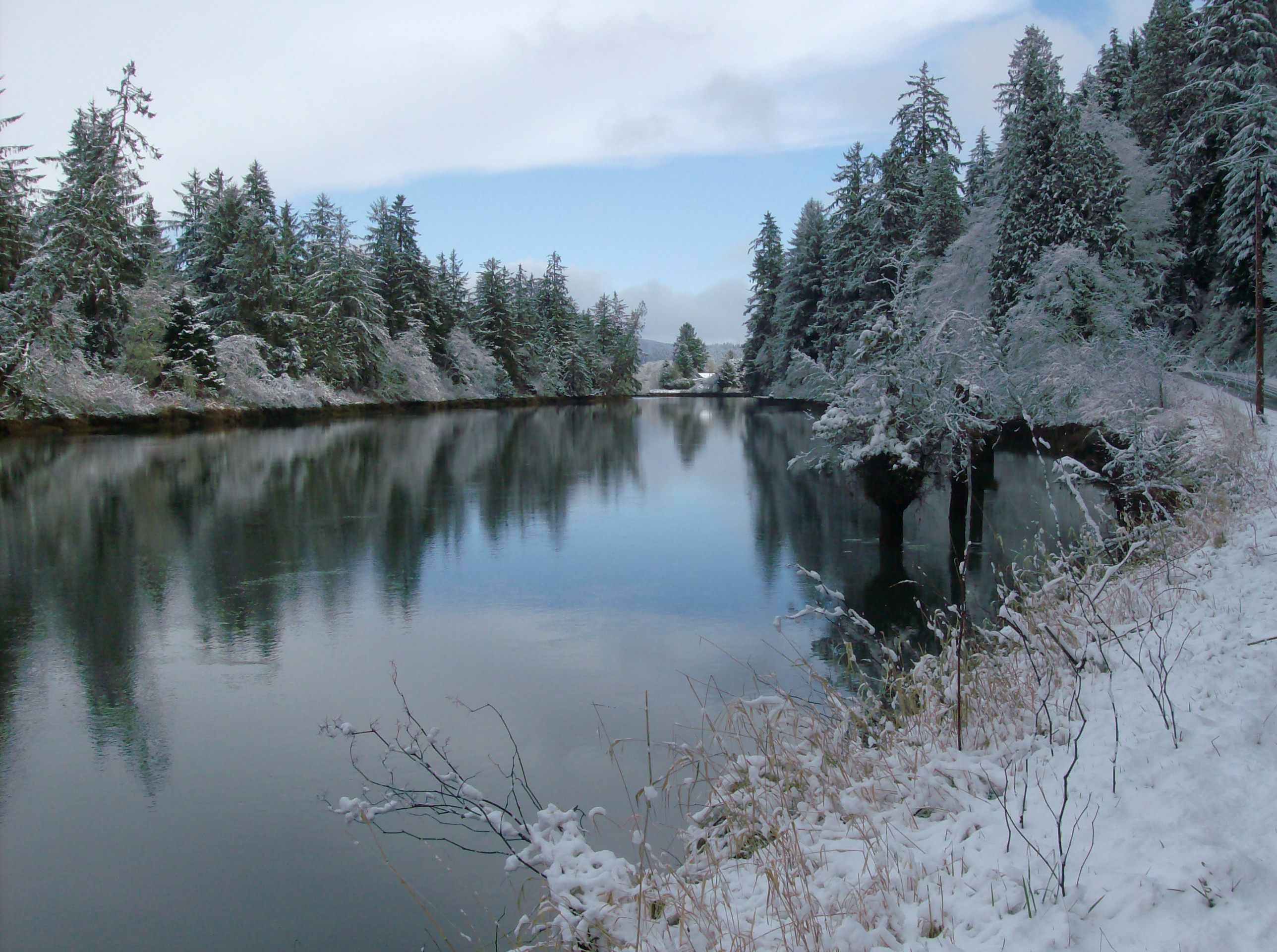
For a grand finale, we stopped to walk the dog at the “Dismal Niche”* rest area (*a name indicative of Lewis and Clark’s lack of appreciation of the area),  and saw a group of around 30 harbor seals just offshore in a channel of river. They were treading water, popping up and going under, probably looking for fish though we never saw them catch any). Perhaps they were just enjoying the gentle current in the eddy they found there. 

Text and Wildlife Photography ©Jim Robertson, 2015. All Rights Reserved

Text and Wildlife Photography ©Jim Robertson, 2015. All Rights Reserved

Anti-hunters Outnumber Hunters by Three to One

whoownschart

It’s like the 1% vs. the 99% ratio. This graph came from an opinion piece entitled, “Who Owns the Wildlife?” which starts out:

More and more we as a society are facing problems with how wildlife of all types are managed in the United States. We see increasing conflicts and polarization between hunting and anti-hunting groups. On the one side, invoking the pioneer tradition of our ancestors, hunting groups contend that the right to hunt is undeniable and is essential to the sound management of our wildlife resources. On the other hand, anti-hunting groups contend that the need to kill wildlife animals is no longer justified and hunting represents a next to barbaric act against living, feeling animals.

Long line of hunters on a mountain trail.

Long line of hunters walk a mountain trail. Hunters contend that they are the only ones who should have a say in how wildlife are managed.
[I just want to interject here that as a wildlife photographer/watcher, the parking permit I purchase (the same one that comes with a hunting or fishing license) allegedly goes toward enhancing habitat. I recently saw the results of my contribution when I pulled down what used to be a quiet road which ends at a river and found that the “game” department had built a huge paved parking lot with 20 lined, blacktop spaces for trucks and boat trailers. They also put in a boat launch with a brand new dock and installed a shiny new 2-seater pit toilet–all for the sake of duck hunters and sport fishermen. Meanwhile, they did nothing for ducks or wildlife habitat.]


On one side, hunters contend that because they pay the bills for the management of wildlife resources through their licenses and a federal excise tax on their hunting equipment, they are the only ones who should have a say in how wildlife are managed. On the other side, anti-hunters argue that moral objections to the slaying of innocent animals overrides any priority as to who has a say in these matters. 

And the arguments go on and on….

Shut Off That TV, It’s a Beautiful Day Out

While most Americans were glued to their TV sets, cheering or shouting at their favorite410557751_d3027a6344 overpaid players in the Super Bowl–refusing to budge during the manipulative, high-tech commercials except to urinate or grab another beer, I was outside enjoying the unseasonably warm day (and secretly praying for snow).

On our daily walk to the river, my wife and I and our dog “Honey” were treated first to the sight of a pair of ravens driving an eagle out of the area. The eagle must have inadvertently flown over the ravens’ former and future nesting site, and they wanted to make it clear that though they weren’t guarding any eggs just yet, that forested hillside was off-limits until further notice.

In addition to the usual mergansers and herons fishing the river, we saw a seal stick his head above the waterline to get his bearings. Seals are a fairly rare sight here on this tidal tributary of the Columbia, twenty miles upstream from the ocean, but no doubt the winter smelt run was making his efforts worthwhile.

Next, upwards of a thousand cackling Canada geese, in four or five formations of a few hundred or so apiece, crossed loudly overhead. Uninterested in fish, they were instead searching for greener pastures and a safe place to bed for the evening.

These are just a few of the wonders going on while humans are spending their valuable yet limited time on this Earth with their ball game.

Text and Photography Copyright Jim Robertson

Text and Photography Copyright Jim Robertson

Denali wolves need a buffer from Hunting and Trapping

Compass: Denali wolves need a buffer of state land

By MARYBETH HOLLEMAN December 2, 2013

The recent news that wolf sightings by visitors to Denali National Park this past summer were the lowest on record is disheartening but not surprising. This is precisely what many scientists warned would happen in 2010, when the Alaska Board of Game eliminated the small no-take wolf buffer on state lands east of the national park.

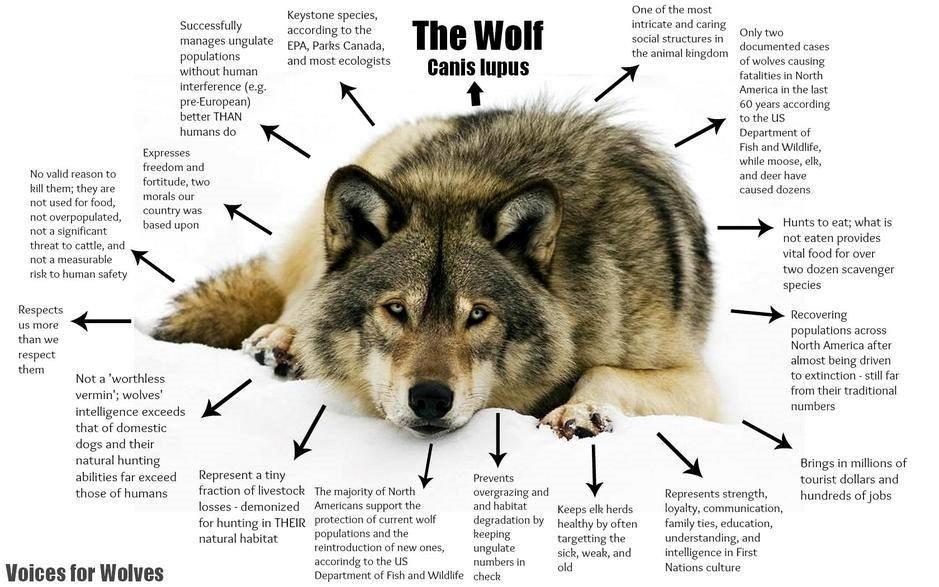
And it is precisely what Gordon Haber, whose research on Denali’s wolves spanned 43 years, concluded: hunting and trapping of park wolves on these state lands often kills the alphas of the family group,1453351_1488724231352782_186999841_n thus causing the entire group to fragment and disintegrate–resulting in fewer park wolves, and fewer park visitors seeing wolves.

Along with Yellowstone National Park, Denali had been known as one of the best places in the world to view wild wolves, but no longer. Over 400,000 visitors come to Denali each summer–many of them Alaskans–contributing over $140 million to our state’s economy. Many cite their desire to see wolves as a primary reason for visiting the park. As Denali superintendent Don Striker says, seeing wolves in the wild is an “amazing, oftentimes transformative experience” for park visitors.

But when park wolves range across the park’s eastern boundary following the winter migration of prey, they’re killed by hunters and trappers. The three most-often-seen wolf family groups in Denali have been decimated by losses here, and visitor viewing success has consequently suffered.

Recognizing the economic value of wolf viewing in Denali, from 2000-2010 the state closed some of these lands to wolf take. But, as Haber warned, this small buffer wasn’t sufficient; in some winters, as many as nineteen park wolves were killed east of the buffer – 15 percent of the total park wolf population.

This prompted many organizations, including the Park Service, to propose at the 2010 meeting of the Alaska Board of Game–just a few months after Haber’s untimely death in a research flight crash–that the inadequate buffer be expanded. Instead, the Board eliminated the buffer and passed a moratorium on considering the issue again until 2016. Many predicted this would accelerate the already precipitous decline in park wolf numbers and viewing success–and it has.

Today, the numbers of wolves within the six-million-acre national park and preserve has declined from 143 in fall 2007 to just 55 in spring 2013 – a drop of more than half in six years. And, since the state removed the buffer in 2010, wolf-viewing success for the park’s 400,000 annual visitors has plummeted: from 44 percent in 2010 to just 4 percent in 2013. This downward spiral in wildlife viewing success may be unprecedented in the history of the entire national park system.

As Gordon Haber concluded, it’s not how many wolves killed, it’s which wolves are killed. In 2012, the last breeding Grant Creek female, from the park’s most-viewed family group, was trapped in the former buffer. The death of this one wolf left the survivors with no pups that spring, whereupon they abandoned their den site and fragmented, shrinking from fifteen to three wolves. Rather than visitors witnessing the fifteen-member family group attending new pups at the den site, they saw nearly none. Viewing success dropped by 50 percent that summer alone–all from the loss of one wolf.

Last week, in a letter to U.S. Secretary of Interior Jewell and Gov. Parnell, a coalition of Alaska citizens and organizations proposed a “win-win” solution: that the state transfer a permanent no-take wildlife buffer conservation easement east of the national park, in exchange for the federal government transferring a like-valued easement, or purchase value, to the State of Alaska.

This would fix the problem. It would allow Alaskans and visitors a better chance of seeing wild wolves, and would sustain and grow Denali’s valuable wildlife viewing economy for generations of Alaskans to come. Let’s hope the Governor and Interior Secretary can get together and solve this issue once and for all.

_______________

Alaska writer Marybeth Holleman is co-author with the late Gordon Haber of “Among Wolves: Gordon Haber’s insights into Alaska’s most misunderstood animal.”

Read more here: http://www.adn.com/2013/12/02/3207873/compass-denali-wolves-need-a-buffer.html#storylink=cpy