Archery season for wolves closes near Yellowstone

The archery season for wolves north of Yellowstone National Park came to an abrupt halt this week after the pre-established sub-quota of one wolf was met.

Montana Fish, Wildlife and Parks noted that the wolf archery-only season will close a half-hour after sunset on Friday in Wolf Management Unit 313, which include portions of Park County.

This hunting district will re-open for the hunting of wolves for the general season in this district beginning Sept. 15.

Check helenair.com for more on this breaking story.

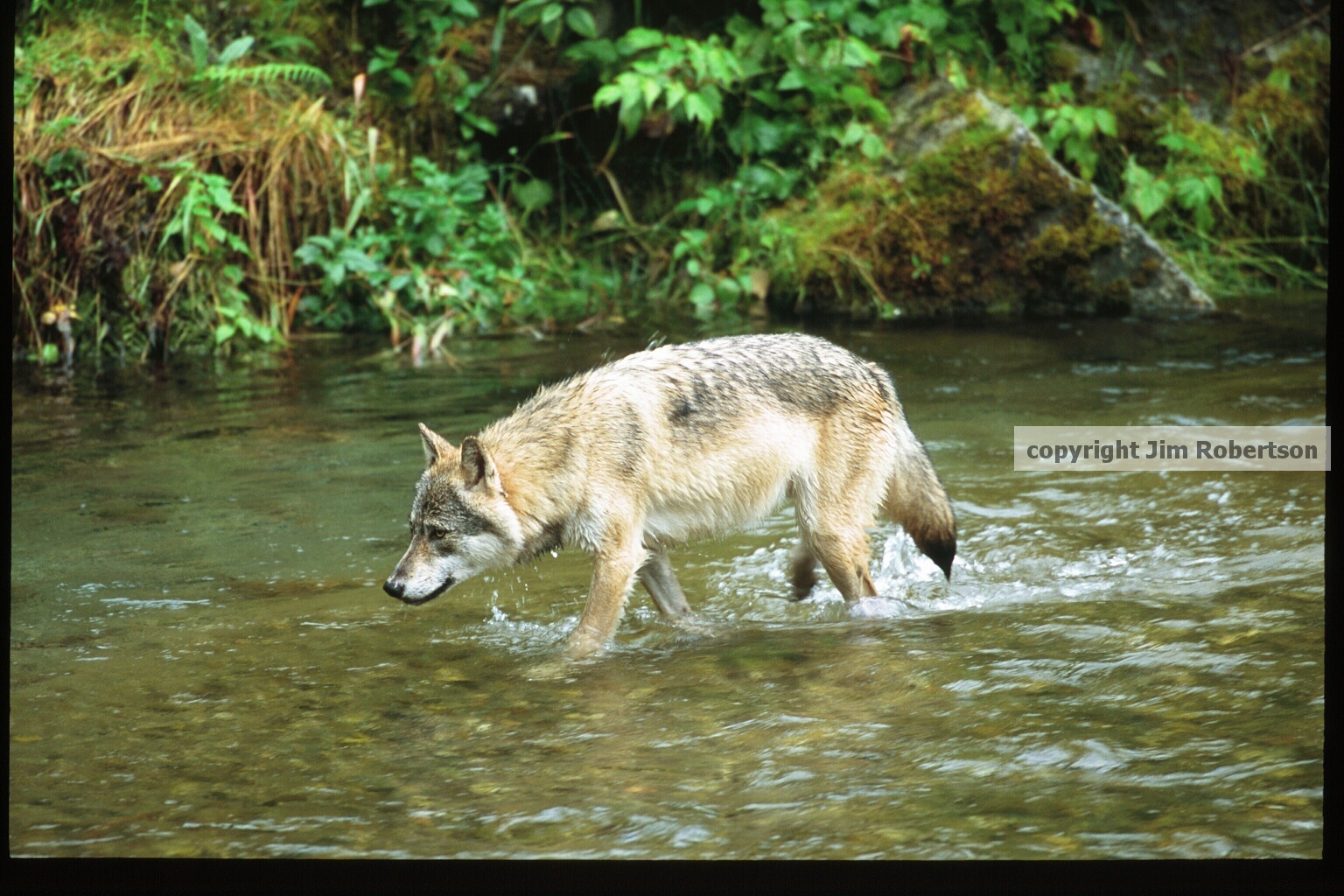
copyrighted wolf in river

Habituated wolf shot near Jardine, MT

The Billings Gazette

A young collared female gray wolf was shot by a Jardine-area resident on Saturday after the wolf had recently come in close proximity to a number of homes, killed a cat as well as several chickens, according to Montana Fish, Wildlife and Parks.

“It had shown up at a number of properties since April,” said Andrea Jones, FWP information officer.

Over the last few months the wolf displayed unusually bold behavior as attempts were made by FWP and residents to haze the animal. It was shot while eating a chicken. There will be no charges filed, Jones said, since the wolf was becoming increasingly more bold.

“It has not shown normal wolf behavior when confronted,” Jones said.

Until this spring, the wolf lived primarily in the northeast corner of Yellowstone National Park as a member of the Lamar Canyon pack. Young wolves often disperse to start their own packs. After leaving the pack it moved into the Jardine area. Jardine is located northeast of Gardiner and just north of the park boundary.

FWP investigated the wolf mortality in consultation with USDA-Wildlife Services. An FWP veterinarian will examine the wolf’s general condition but a necropsy is not planned at this time, Jones said.

Wolf shootings to protect livestock as well as wolf hunting are divisive issues that have prompted death threats in the past to those involved. Consequently, FWP was not releasing the name of the individual who shot the wolf.

Two other members of the Lamar Pack were shot last fall during Wyoming’s hunting season, one of which was the pack’s alpha female. All together, hunters in surrounding states shot 12 wolves last year that spent part of their time inside Yellowstone’s boundaries. Six of the 12 were collared wolves that park staff use to study wolf movements and interactions.

copyrighted wolf in water

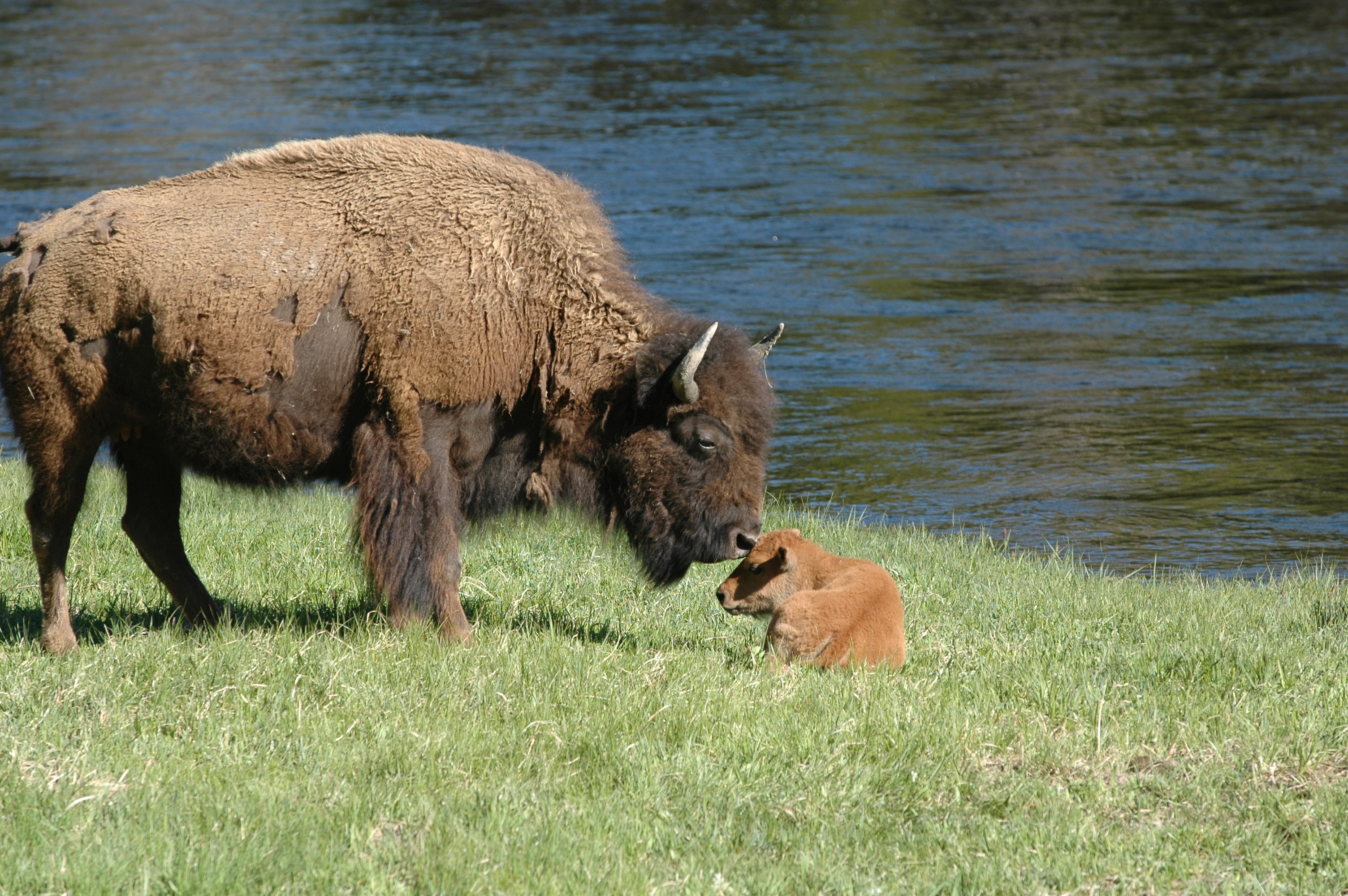
MT Bison Comment Period Extended

Dear Interested Citizen: July 2013

Montana Fish, Wildlife and Parks and the Montana Department of Livestock have extended the public comment period on a draft environmental assessment (EA) reviewing the potential for bison to occupy public lands adjacent to Yellowstone National Park on a year-round basis.

Public comments on the EA will now be accepted until 5 p.m. September 13, 2013; the original deadline was August 13, 2013.

Copies of the draft EA can be obtained at the FWP regional headquarters in Bozeman and FWP’s headquarters in Helena or at http://fwp.mt.gov/news/publicNotices/environmentalassessments/
plans/pn_0014.html. Comments can be emailed to YearRoundBison-EA@mt.gov, or mailed to Bison Year-Round Habitat EA, Montana Fish, Wildlife & Parks, 1400 S. 19th Ave. Bozeman, MT 59718.

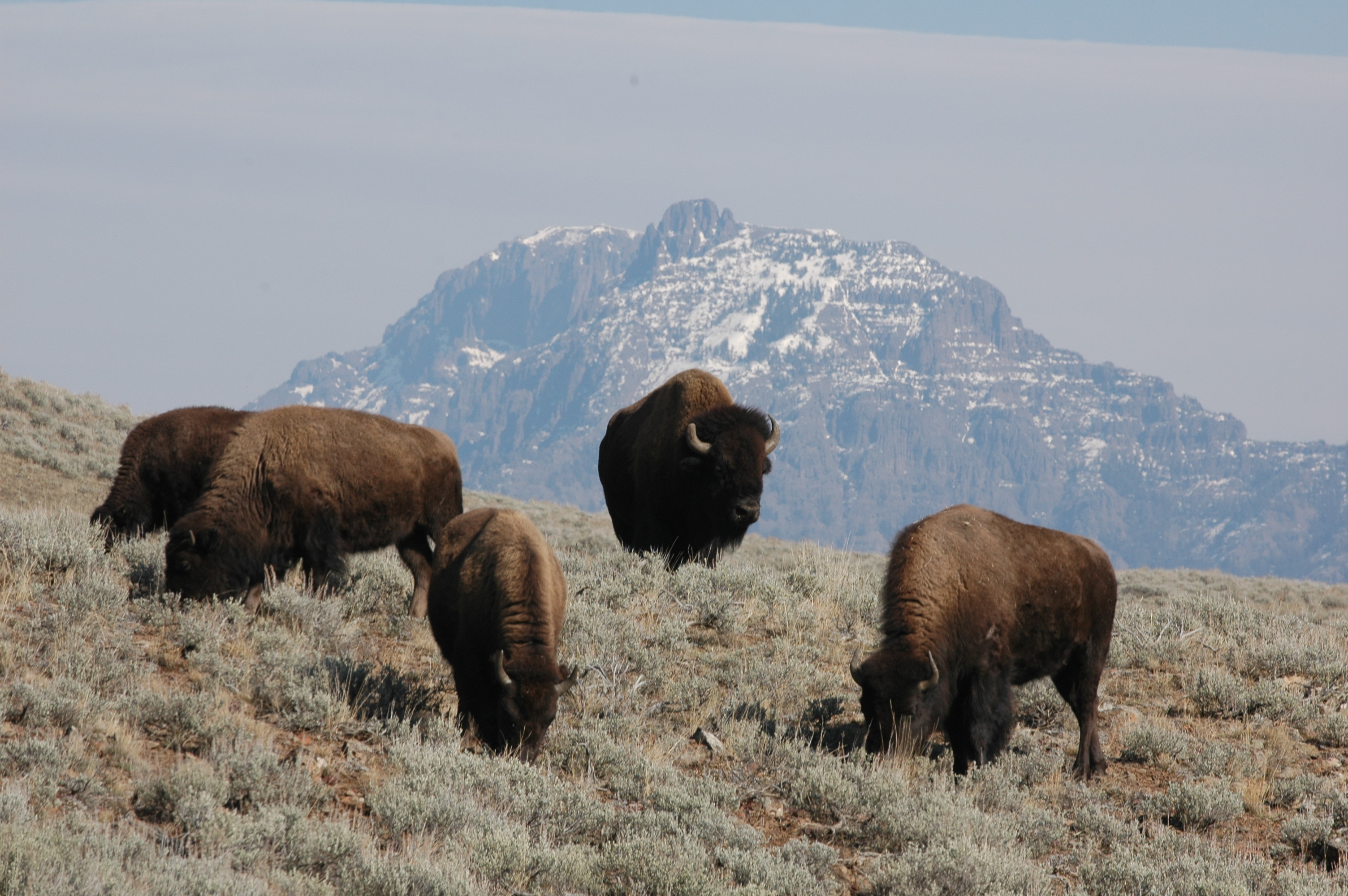
Photo copyright Jim Robertson

Photo copyright Jim Robertson

Wolf and Grizzly Count Skewed

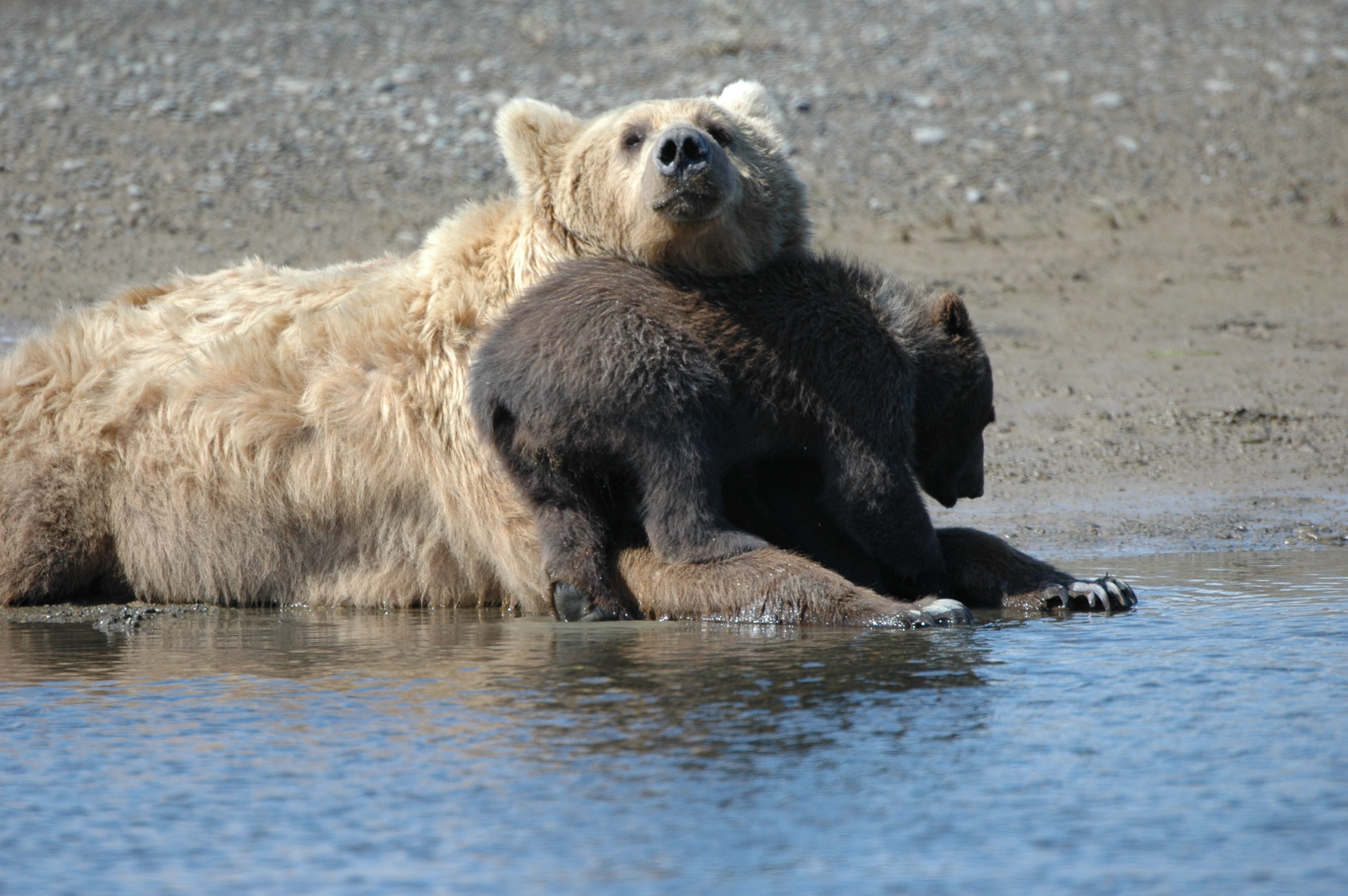
Photo copyright Jim Robertson

Photo copyright Jim Robertson

Counting Bears

New York Times Editorial                                               http://nytimes.com

By THE EDITORIAL BOARD

Published: July 7, 2013

There is nothing simple about counting grizzly bears. But counting them accurately will help determine whether they remain on the endangered species list or are delisted. The Interior Department’s Fish and Wildlife Service says there are about 700 grizzlies in the greater Yellowstone ecosystem, more than the 500 it deems essential for a healthy population. But a new study in the journal Conservation Letters calls those numbers into question.

A count is a projection, based on assumptions about the reproductive and survival capacity of grizzlies. The agency assumes that the bears live until they are 30 years old and reproduce at constant rates all along. This is a mathematical convenience, not a biological observation. The study argues that the inaccuracy of previous counts means that biologists know less than they think and concludes that grizzly numbers appear to have increased simply because government biologists are working harder to count the bears.

For these reasons, one federal researcher has said that current estimates are “essentially worthless.” Some biologists argue that a total of 500 bears isn’t nearly enough to guarantee a genetically healthy population. Their natural habitat — high-elevation pine forest — has been devastated by the mountain pine beetle. This has resulted in more frequent contact with humans, which nearly always ends in dead bears.

With some species, the Fish and Wildlife Service has done a good job chronicling and aiding their recovery. But those species do not include top predators like the gray wolf and the grizzly bear. Fish and Wildlife needs to pay close attention to the criticisms of its bear count and bear management plan. It is hard to imagine how a species whose habitat has been devastated and whose numbers are uncertain could be removed from federal protection.


Letting Wildlife Live Makes Good Economic Sense

Hunting vs Birding and Wildlife Watching

June 2012
Peter M. W. Murray

•Birding and Wildlife watching contributed $38.4 billion dollars to the nation’s economy in 2001. This resulted in $95.8 billion added to the economy, accounted for over 1 million jobs and 13 billion in tax revenue.
•Birdwatching is the fastest growing form of outdoor recreation….up 236 % from 1982- 2001. Birders spent $32 billion, generating $85 billion of economic benefits to the country, produced $13 billion of tax revenue and accounted for 863,406 jobs.
•Hunting and Fishing contributed $24.8 billion to the nation’s economy in 2001. This added $67 billion to the economy and accounted for over 575,000 jobs. $2.3 billion in taxes were generated by this sector of the economy.(Int Ass of Fish and Wildlife Agencies)
•2010 Yellowstone had 3,640,205 visitors.
•$2.5 billion was spent by tourists in Montana in 2010.

Photo copyright Jim Robertson

Photo copyright Jim Robertson

Revise Montana’s Wolf Hunt Proposal

This action alert is from a group of Yellowstone Park wolf watchers; your comments will likely be a bit more “extreme” (such as, “No hunting–leave the wolves alone,” etc.) but there’s good contact info here…


Please Write Montana Fish, Wildlife, and Parks Commissioners: Ask to Revise FWPs Wolf Hunt Proposal 2013-14
June 24 at 5 pm is the Deadline for Public Comment

On May 9, advocates for Yellowstone wolves spoke in Helena and Bozeman, asking for revisions to the FWP Wolf Hunt Proposal. The Commissioners want public comments before they make changes or ratify the Proposal. Now’s the time to send in your comments!

Email Chairman Vermillion and the Commissioners at this link: http://fwp.mt.gov/hunting/publicComments/2013_14proposedWolfSeason.html

Comments can be mailed to FWP – Wildlife Bureau, Attn: Public Comment; P.O. Box 200701; Helena, MT 59620-0701

Send copies of your letter to:

FWP Director Hagener: jhagener@mt.gov

Governor Bullock at this link: governor.mt.gove/contact.aspx

Office of the Governor: P.O. Box 200801: Helena, MT 59620-0801

Overview:

Yellowstone wolves rarely depredate on livestock and are essential for Montana tourism and research. Tourism and the science are intertwined in Yellowstone. For 18 years,data coming out of the Yellowstone Wolf Project has been is one of Montana’s great exports to the world. Science creates radio collared wolves, which can be located, drawing millions of tourists to Montana each year. This sort of tourism encompasses wolf biology, creating citizen scientists who learn about wolf behavior and collect and share data with biologists.

Suggested Points for your Comments:

Applaud the expansion of WMU 316 to include HD 313in your 2013-14 Wolf Hunt Proposal as a big step forward.

FWP gave us something we wolf advocates asked for. Expanding WMU 316 to include parts of HD 313 will save many Yellowstone wolves—because most YNP wolves were killed in HD 313. These wolves live within Yellowstone 95% of the time and leave the park in autumn to follow elk and scavenge on elk gut piles from the hunt.

Ask FWP to extend 316 to include the rest of HD 313.

This closes the gap on Eagle Creek and allows FWP to legally close the hunt around YNP. The new Montana law allows FWP to set low quotas or close hunting around Yellowstone only in designated Wolf Management Units (WMUs.)

Ask FWP to set the quota in expanded WMU 316 at 3 or fewer wolves.FWP has set the quota at 7 wolves. 7 wolves is the same number of Yellowstone park wolves that were killed in 2012—a disaster for wolf tourism and for Yellowstone Wolf Project research.WHY NOT ASK FOR A QUOTA OF ZERO or 1 WOLF IN 316? The Chairman of the Commission, Dan Vermillion, says they will not consider a quota that low.

4. Ask FWP to restrict wolf tags in WMU 316 to one tag per hunter. With a limited quota in WMU 316, one hunter could easily fill the quota all by himself.

5. Ask FWP to delete baiting over traps. It is unethical and unsporting.

6. Ask FWP to close the season in February when hunters will kill and disturb pregnant females as they try to den up.

7. Ask FWP to include wolf tourism and research in FWPs Measurable Objective #3 Objective #3 reads: “Maintain positive and effective working relationships with livestock producers, hunters, and other stakeholders. Revise it to add “wolf tourism, research, and other stakeholders.”

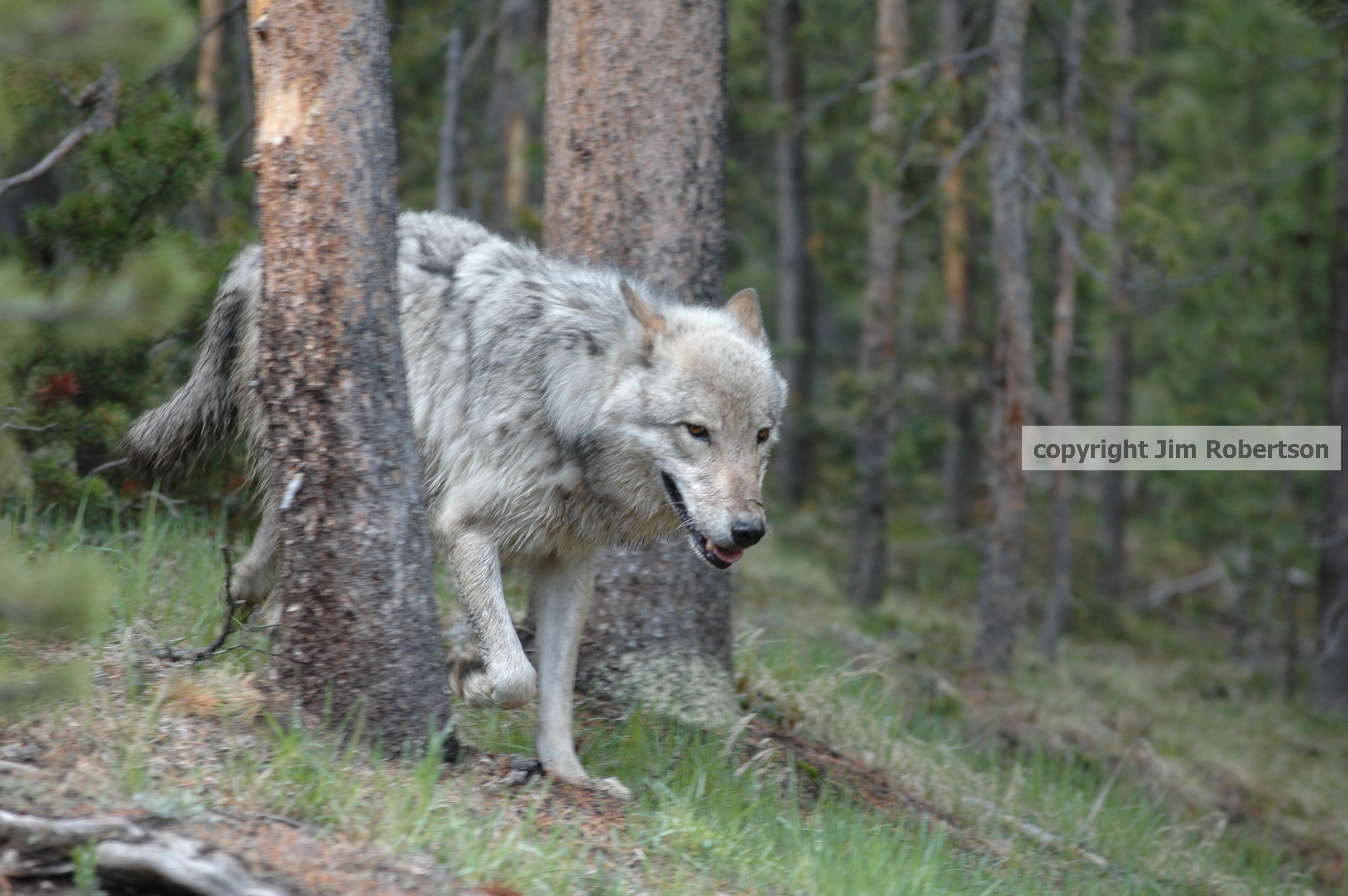
copyrighted Hayden wolf in lodgepoles

Beware the Beaver

Apparently some folks need to be reminded: don’t try to manhandle a beaver that doesn’t want to be touched.

A fisherman in Belarus learned that the hard way; when he reached down to pick it up, the beaver—no doubt feeling cornered—bit him in what was unfortunately a major artery. The 60 year old angler died of his wounds, but he was probably too old to learn from the experience anyway. Perhaps others can learn from it instead.

Again, in case you missed it above, DON’T TRY TO PICK UP WILD ANIMALS! Humans aren’t known for being the most benign of creatures, especially to a beaver, whose species we once hunted and trapped practically to extinction. It’s perfectly understandable that they would distrust an approaching two-legger, especially one who is intent on hooking fish. Any animal will do what it can to defend itself against the threat of being killed and/or eaten. Beavers have a couple of very sharp, tree-lopping teeth to resort to when push comes to shove.

Some papers reported that the human victim was trying to pick the animal up to pose with it for a photo. If so, it was another case of stupidity for the sake of vanity. Still, it won’t necessarily earn him a coveted Darwin Award; others have him beat. I knew a photographer that used to frequent Yellowstone (past tense, since he’s no longer with us) who would creep up to within a few yards of a grizzly bear’s fresh kill, hoping for a close-up shot.

Although the aim of wildlife photography is non-lethal, photographers shouldn’t take it as a free pass to disturb animals at will. Unfortunately, some who “shoot” with a camera have a mind-set similar to that of a typical trophy hunter. Wearing face paint and cammo from head to toe (some are in fact off-season hunters, while others just enjoy dressing up like one), these self-serving photographers are often seen standing along the roadway photographing animals who are quite obviously aware of their presence. Believing themselves invisible (cleverly disguised as a tree or a bush), they crowd in and get as chummy as they want to their quarry, no matter that their urge for closeness isn’t mutual.

I couldn’t count how many times I’ve seen people, both professionals and point-and-shooters, run right up to a bison, elk, moose or bear hoping for a trophy shot or souvenir. Every year, irresponsible photo-getters are gored, trampled or charged by animals annoyed enough to feel they must defend themselves. But untouchably elite Homo sapiens don’t like being put in their place, and over-protective parks’ departments routinely execute a one-strike-you’re-out policy in response to any defensive actions taken by ordinary nonhumans.

Careless behavior by photographers can force animals to leave their familiar surroundings, separate mothers from their young or interrupt natural activities necessary for survival. Hardly a day goes by without the inevitable park visitor committing the amateurish, impatient act of yelling or honking at a peaceful herbivore so he or she will quit grazing and look up towards the camera. And there’s always some joker who throws part of his sandwich out the window to draw in a bear or coyote.

Once in Yellowstone I reported such an incident to a ranger who pointed at the coyote and asked, “Is that the culprit?” “No,” was my exasperated reply, “The culprit is the guy who threw out his sandwich!”

Portions of this post were excerpted from the book, Exposing the Big Game: Living Targets of a Dying Sport

Text and Wildlife Photography ©Jim Robertson, 2013. All Rights Reserved

Text and Wildlife Photography ©Jim Robertson, 2013. All Rights Reserved

Anti-Wolf Fanatics Scramble to Counter Pro-Wolf Message

First, here’s a message from PredatorDefense.org:

Introducing Our Wolf Billboards

wolves_billboard_Yellowstone

This is an image of one of the five billboards we’re having installed on highways approaching the entrances to Yellowstone National Park, starting in June. They will greet tourists visiting the park via Montana, Wyoming and Idaho and are designed to get them to wake up to the desperate plight of wolves in America.

We really need your help to sustain this billboard campaign throughout the summer and to expand it to even more locations. PLEASE DONATE TODAY!

Timing is critical. We’ve already lost 1,700 gray wolves to hunters and trappers in Montana, Idaho, Wyoming, Minnesota, and Wisconsin since wolves were removed from federal endangered species protection in 2011 and management was handed over to individual states. This slaughter has been largely unpublicized and has therefore been unnoticed by the greater public. The situation is dire, as the U.S. Fish and Wildlife Service intends to remove protections for wolves across nearly the entire country. This would be disastrous for gray wolf recovery

No sooner did Predator Defense erect their billboards for the wolves than did the bogus pseudo “conservation”/anti-wolf group “Big Game Forever” begin fundraising for a Yellowstone area billboard campaign of their own. Theirs would of course carry their standard anti-wolf rhetoric, while feigning concern for trophy target species like moose and elk. Here’s part of an intercepted “BGF” email alert meant to tug at the heart strings of self-serving trophy hunters across the west:

Folks, 

Once again, America’s moose, elk and other wildlife need your help. There is a major highway billboard campaign aimed at stopping wolf management in the Northern Rockies. Big Game Forever needs your help to educate the public and the 3.4 million annual visitors to Yellowstone National Park of the importance of restoring balance through responsible wolf, moose and elk management.
 
Here is what is happening. Over Memorial Day weekend, a new series of billboards popped up on several major highways leading to Yellowstone Park. It appears that these billboards are aimed at influencing national sentiment against responsible wolf management.

Big Game Forever has been working over the past several weeks to respond to this misplaced advertising attack.

 
We have reserved a number of billboards around Idaho and Montana to educate the public about the very real moose crisis emerging in wolf states of Montana, Idaho, Wyoming and Minnesota. We are also working with a coalition of conservation-minded sportsmen to place billboards in Cody Wyoming.
 
Please go to http://biggameforever.org and click on the “Donate” button. A number of generous private donors have already stepped up to match your donation. Your $25 dollar donation becomes $50. Your $100 donation becomes $200. Please go to http://biggameforever.org and click on the “Donate” button.  100% of the donations received during this campaign will go to this important educational campaign.  Your generous donation makes all the difference.
Keep in mind that whenever “Big Game Forever” mentions “conservation” or “responsible wolf management” they are really talking about wolf eradication–by any means possible. Donations to that group come from wealthy trophy hunters.
Now more than ever pro-wolf groups like http://www.predatordefense.org/ need your donations to spread the word for wolves, through billboard campaigns and other selfless efforts. Already, pro-wolf proponents have stepped up with the offer to match donations made in support of their support. Don’t let the pseudo conservationists dupe the public with their “it’s all here for us” attitude.

Dead Bison Found North of Yellowstone

This article includes a good overview of the kind of anthropogenic threats that the wildlife face outside of Yellowstone National Park…


Worry over dead bison found north of Yellowstone Park

By Ralph Maughan On May 19, 2013

Montana is said to be investigating-

Gardiner, MT. Given the frequent stories of wildlife killing and hate that emanate from the Gardiner, Montana area, the latest find of 2 to 4 bison carcasses north of Yellowstone Park is raising worry about more illegal and legal wildlife killing in the area and/or the spread of domestic or wildlife disease.

The bison were found in areas frequented by people, not in any remote backcountry.

The area recently had an unpleasant incident of wolf killing following the placement of domestic sheep almost next to the Park that wildlife supporters said was deliberately done to cause controversy or provoke a wolf attack. Non-park wolves were soon credited with attacking the sheep.

For years the area has been scene of Yellowstone Park wildlife poaching, bison slaughters, heated controversy over elk numbers (too high or too low), Yellowstone Park wildlife migration routes, and what some see as excessive wolf hunting so as to decimate the population of Park wolves.

The winter just past also saw the first evidence of controversy over a growing Native American bison hunt that left a large number of bison entrails (8000 pounds) that would attract grizzly bears. They were cleaned up by Montana Fish, Wildlife and Parks.

The complete story on the recent find of bison carcasses is by Eve Byron of the Independent Record (here reproduced in the Missoulian).

Wildlife Photography ©Jim Robertson, 2013. All Rights Reserved

Wildlife Photography ©Jim Robertson, 2013. All Rights Reserved

Ecological Benefits of Wolves

Here’s an overview from the Wyoming Sierra Club on some of the good things wolves do for their environment, for those who need reminding…

BENFITS OF WOLVES

Wolves play a vital role in maintaining the health and sustainability of the landscape in the greater Yellowstone region and our western lands. They are a keystone species, one that has a disproportionate impact on its environment relative to its abundance. Since their return in 1995, wolves have benefitted this ecosystem by regulating prey numbers and movements—allowing streambank habitats to recover, reducing densities of coyotes, and providing food for scavengers.

The most recognized and well-documented ecological benefit of wolves is that they have resumed the important role of maintaining healthy wildlife herds in the northern Rockies by selecting young, old, physically impaired, or diseased animals. (5) By reducing prey numbers, dispersing these animals on the landscape, and removing sick animals, wolves also may reduce the transmission and prevalence of wildlife diseases such as chronic wasting disease and brucellosis. (7)

In addition to improving the overall fitness of wildlife herds, wolves have also altered the behavior of their prey, leading to a cascade of beneficial effects on the landscape. In the absence of wolves, elk tended to browse heavily in the open flats along rivers and wetlands, since they did not need to evade predators by seeking thicker cover. Without fear of wolves, elk over-browsed the vegetation inhibiting the growth of new trees. Since the reintroduction of wolves in Yellowstone, elk spend more time in the safety of thick cover or on the move.(6) As a result, riparian areas and aspen groves that had been suppressed by decades of over-browsing are regenerating, improving habitat for species like beavers and songbirds.(3) Beavers, which create wetland habitats with their dams, have improved water quality in streams by trapping sediment, replenishing groundwater, and cooling water.

Species that rely on healthy riparian habitats and benefit from the presence of wolves in Yellowstone National Park include:

g Yellowstone cutthroat trout and other native fish

g Moose

g Waterfowl (ducks, geese, trumpeter swans)

g Songbirds (such as warblers, wrens, and thrushes)

g Small mammals (such as beavers, muskrats,

and other rodents)

g Insects, amphibians, and countless other species (3, 6)

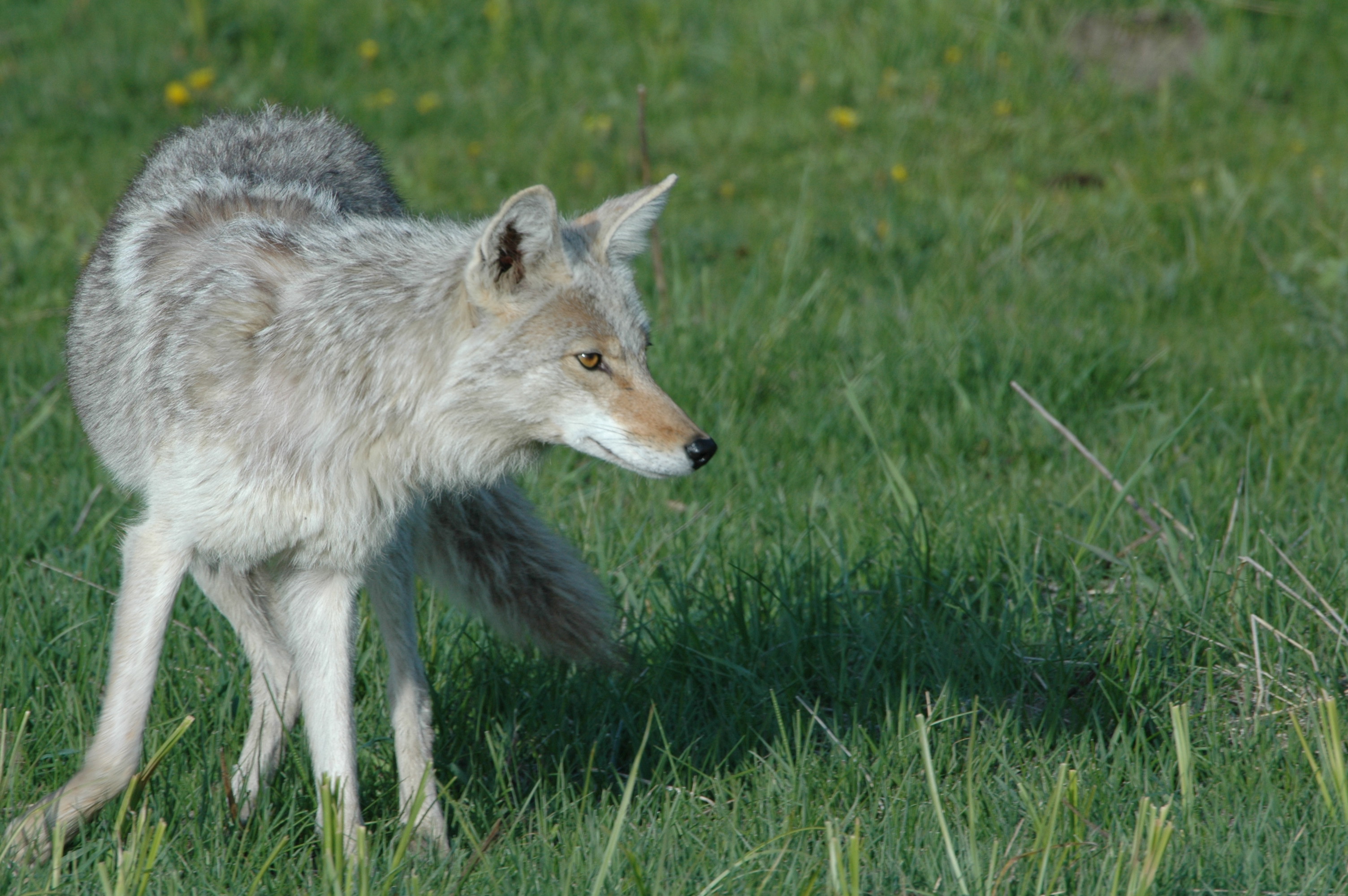
wolves and coyotes

In the absence of wolves, coyotes became a top predator in the ecosystem, but they are not large enough to regulate elk, deer, and moose populations.(2) The return of the wolf restored a natural complement of predators to northwest Wyoming and returned the coyote to its role as a mid-level predator.

wolves and scavengers

Scavengers, such as ravens, eagles, and bears, also benefit heavily from the return of wolves. Wolf kills provide scavengers with an important source of protein, particularly in winter. Twelve species of scavengers are known to visit wolf kills in Yellowstone National Park. (10) Ravens are especially attuned to wolves and may fly over wolf packs as they pursue prey, allowing them quick access to wolf kills. In turn, wolves may benefit from ravens by following them to carcasses that can feed both species. (8)

Prior to the reintroduction of wolves, scavengers were more dependent on animals that died due to harsh winters. Since snow is thawing earlier as a result of a warming climate, there are fewer winter kills available for scavengers. Wolf kills may help buffer the impacts of climate change for scavengers by providing them with a food source in the

The return of the wolf to Wyoming has had significant ecological benefits in a relatively short period of time. Ecological concerns contributed to the decision to return wolves and should play a role in how states manage this keystone species. Although it is easy to focus on the perceived negative impacts of wolves, it is important to recognize the actual benefits they provide to our ecosystem. By regulating wildlife herds and reducing the prevalence of diseases, revitalizing riparian areas, reducing coyote densities, providing food for scavengers, and indirectly improving conditions for a host of other species, wolves play an essential role in maintaining the ecological health and integrity of the landscape.
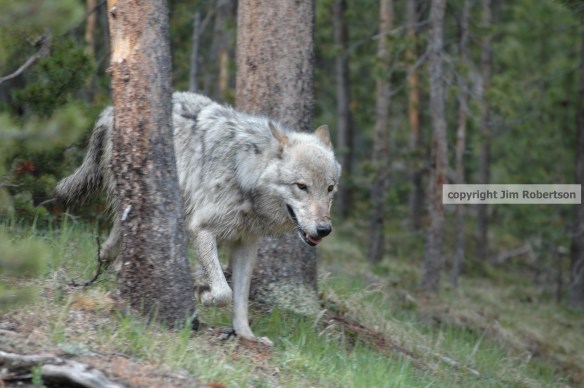
copyrighted Hayden wolf in lodgepoles