
Make no mistake, not only is the mainstream media frequently full of shit, but also they distort the truth to fit their agenda. Case in point: the Spokane, Washington Spokesman Review ran an article on August 17th entitled, “Stevens County ranch reports new wolf attacks.” For one thing, the validity of the so-called “attacks” is still in question; and also, they didn’t happen on a ranch.
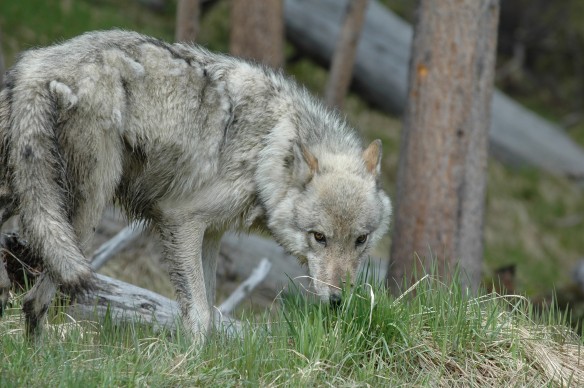
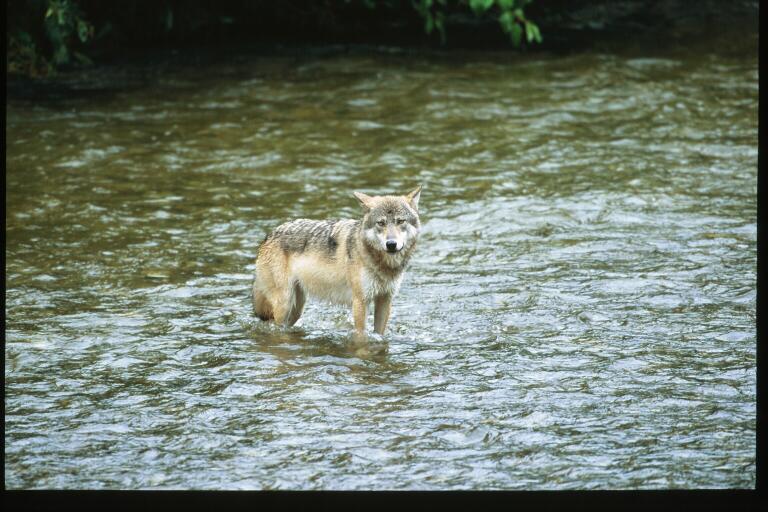
It turns out these alleged wolf attacks were on calves—not adult cows—yet the injuries were so minor some observers speculated that they could have been made by a strand of barbed wire. I’ve seen enough wolf kills to know that unless you arrive at the scene just when they were made, there wouldn’t be enough left on a calf-sized carcass to identify the cause of death. Wolves kill out of hunger and they eat what they bring down post haste, before the smell attracts a bear or any other scavengers.
Part way into the article, the “Inland Empire’s” largest newspaper revealed that the calves were not on the private Diamond M ranch, but on a Colville National Forest cattle grazing allotment, leased by the McIrvin family. That means the McIrvins (or their dogs or other guard animals) were not out with the cattle, so it’s highly unlikely anyone arrived on the scene of a fresh wolf kill.
I lived for many years in that part of Washington and worked in the Colville National Forest. I pity the cows, who are cruelly de-horned, trucked up to the ends of the logging roads and left to fend for themselves on some thistle-covered clear cut with only a dried up creek for water. My wife’s father “ran cattle” in the same way. It would be a big week if he checked on them twice. But he only had 30 “head” of cattle; the Diamond M ranch has over 400.
Rancher Len McIrvin has a state-issued wolf kill permit for depredation if wolves are caught in the act, but has said there’s little chance of meeting that requirement. The environmental organization Conservation Northwest released a statement questioning whether McIrvin made a “good faith effort” to reduce the risk of conflict between wolves and his livestock. “It’s unclear in this case whether the right livestock stewardship steps have first been tried to reduce conflict potential,” Mitch Friedman, Conservation Northwest executive director, said in the statement. “If we expect wolves to behave, ranchers need to meet them halfway.”
But Irvin told the Capital Press (a cattle industry tabloid posing as a newspaper) that the only compensation he’s interested in is a dead wolf for every dead calf. “This isn’t a wolf problem, we always could take care of our own problems,” he said, adding that the only acceptable option is trapping and poison.

Text and Wildlife Photos Copyright Jim Robertson









 Exposing the Big Game