2 Wolves Were Killed By Hunters Using Dogs This Week

December 06, 2013

By Chuck Quirmbach

The Department of Natural Resources reports that two grey wolves killed in Wisconsin this week were shot by hunters who used dogs to pursue the wolves.

The wolf deaths happened in Rusk and Washburn counties. The DNR’s Dave MacFarland says hunters registered the wolf kills by phone. MacFarland says it may take a while to learn more details about how the dogs were used during the wolf harvest.

“The hunters are required by the fifth day of the month after harvest – so for these animals, that would be Jan. 5 – to organize a registration meeting with one of the wardens,” says MacFarland. “So the warden registration component of the registration process has not yet occurred for these animals.”

MacFarland says most of the discussions between wolf hunters and DNR wardens happen fairly quickly.

Rachel Tilseth of the animal protection group Wolves of Douglas County says she’d like to hear more details of this week’s wolf deaths, and hear soon.

“I would like to see more wardens out there,” says Tilseth. “I would like to know how many wardens were out there, and I haven’t heard anything on that. Once I find that out, I would like to know if the dogs chewed up the wolf. I want to know the condition of the animal.”

The DNR says it remains committed to enforcing state law, which only allows hunters to use dogs to track the wolves, not fight with them. The DNR says wolf hunters are now 32 short of this season’s quota. The only remaining wolf hunt zone is one in northwest Wisconsin.


Interior Dept. Rule Greenlights Eagle Slaughter at Wind Farms

Stand Wild For The Eagles!
Let Secretary of the Interior Sally Jewell know how outraged and disappointed you are by sending an email to: feedback@ios.doi.gov

Interior Dept. Rule Greenlights Eagle Slaughter at Wind Farms, Says Audubon CEO

New Rule Will Authorize 30-Year Permits for Killing America’s National Bird

      http://www.audubon.org/newsroom/press-releases/2013/interior-dept-rule-greenlights-eagle-slaughter-wind-farms-says-audubon

Bald Eagle

Jim Grey

Dec 5, 2013

New York, NY –

In a stunningly bad move for eagles, the U.S. Department of the Interior has finalized a new rule that would make it possible to grant wind energy companies 30-year permits to kill Bald and Golden eagles. Audubon’s CEO released the following statement:“Instead of balancing the need for conservation and renewable energy, Interior wrote the wind industry a blank check,” said Audubon President and CEO David Yarnold. “It’s outrageous that the government is sanctioning the killing of America’s symbol, the Bald Eagle. Audubon will continue to look for reasonable, thoughtful partners to wean America off fossil fuels because that should be everyone’s highest priority. We have no choice but to challenge this decision, and all options are on the table.”

Also see: http://seattletimes.com/html/nationworld/2022413566_windeaglesxml.html

The new federal rule is designed to address environmental consequences that stand in the way of the nation’s wind-energy rush: the dozens of bald and golden eagles being killed each year by the giant, spinning blades of wind turbines.

An Associated Press investigation this year documented the illegal killing of eagles near wind farms, the Obama administration’s reluctance to prosecute such cases and its willingness to help keep the scope of the eagle deaths secret. President Obama has championed the pollution-free energy, nearly doubling America’s wind power in his first term as a way to tackle global warming.

Last month, Duke Energy pleaded guilty to killing eagles and other birds at two wind farms in Wyoming, the first time a wind-energy company had been prosecuted under a law protecting migratory birds. The company agreed to pay $1 million in fines.

A study by federal biologists in September found that wind farms since 2008 had killed at least 67 bald and golden eagles, a number that the researchers said was likely underestimated. That did not include deaths at Altamont Pass, an area in Northern California where wind farms kill about 60 eagles a year.

Partnerships – A Lesson from the Natural World..?

mandyevebarnett's avatarMandy Eve-Barnett's Blog for Readers & Writers

Benevolent – definition: marked by or disposed to doing good

There are many people, past and present, who have changed the course of conflict but today I am concentrating on the natural world and partnerships between different species. The correct name is  commensalism, which means one organism benefits and the other organism isn’t harmed by the partnership. It is a matter of conjecture how these partnerships began but once you realize the benefits for both partners it is obvious.

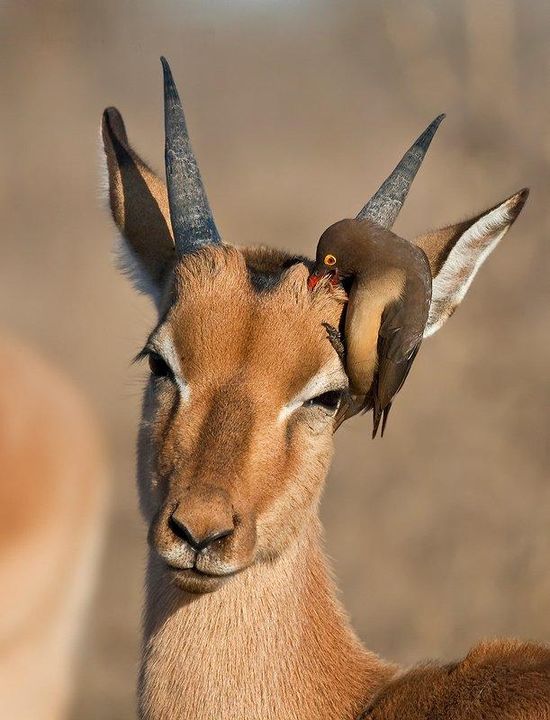
antelope

Impalas enjoy the ministrations of ox-pecker birds, whose name describes their role exactly. They peck off unwanted and irritating flies and ticks. In doing so the birds have plenty to eat without having to fly great distances and the impalas are freed of the parasites, which can carry diseases.

Ox-pecker birds and other similar breeds perform this duty on many animals around the world.

clown fish

Another mutually beneficial relationship is between clown fish…

View original post 216 more words

Mexican Wolf plan reignites passions


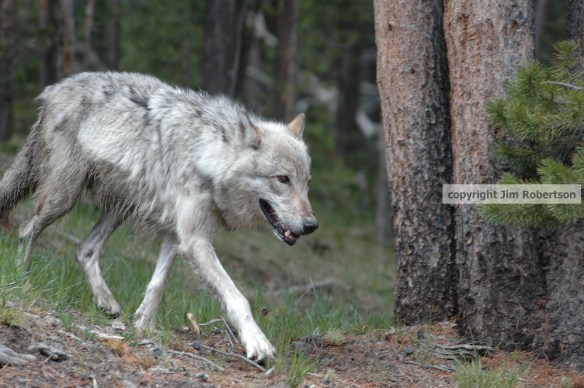
copyrighted Hayden wolf walking

http://azdailysun.com/news/wolf-plan-reignites-passions/article_36d3ccd2-5e45-11e3-b1a0-0019bb2963f4.html

by THE ASSOCIATED PRESS and DAILY SUN STAFF

An area set aside in southwestern New Mexico and southeastern Arizona for the recovery of Mexican gray wolves is not big enough, according to a regional official with the U.S. Fish and Wildlife Service.

“We can’t, over time, maintain genetic viability in the little area that they have,” said Southwest

Regional Director Benjamin Tuggle.

The agency has proposed expanding the range of the wolves and as a result has reignited passions about whether and where humans should coexist with the predators.

Ranchers and rural families were outraged as the plan was discussed at a public meeting on Tuesday in Pinetop. A similar meeting took place last month in Albuquerque, N.M., where environmentalists spoke in favor of the proposal.

The federal agency hadn’t planned to have any meetings in Arizona but was pressured by politicians to allow Arizonans the chance to speak as well.

Under the current proposed plan, wolves would be allowed to live in forested habitat as far north as Interstate 40. The USFWS is considering removing the gray wolf from the endangered species list nationwide and designating the Mexican gray wolf as a protected subspecies. But it would likely

keep its experimental population designation. That means that if wolves left their designated borders, they would be captured and removed.

However, biologists have identified the Grand Canyon region as some of the last, best territory for wolves. Although few people live in the area, the reintroduction has been blocked in part by hunters who want to protect big game on the North Kaibab.

“It’s up to the U.S. Fish and Wildlife Service to go forward and do their jobs based on the best available science and not the politics of state and federal agencies,” said Emily Nelson of the Grand Canyon Wolf Recovery Project. “We might see the opportunity slip by us if we’re not outspoken about wanting to see wolves in the Grand Canyon.”

The State of Utah has paid hundreds of thousands of dollars to a group called Big Game Forever to

lobby against the lobo and its potential reintroduction to the North Rim. The group was audited at the request of Democratic state legislators after receiving payments of $300,000 the past two years for unspecified lobbying purposes, according to the Salt Lake Tribune. The lobbying group said it was fighting the Mexican gray wolf’s reintroduction, which many in southern Utah fear will quickly migrate into the remote region.

a test of time

The Mexican wolf was reintroduced in 1998. Biologists say there are at least 75 wolves in the wild in the two states. Federal officials believe it’s necessary to make more room for packs — 14 at last count — to squeeze the most from a limited gene pool.

Nelson said that whatever happens with the official reintroduction plan, she’s optimistic about the chances of wolves in northern Arizona.

“I’m always very optimistic that the wolves will come here on their own because the wolves will follow the best habitat and seek out the best places to find mates,” Nelson said. “I think the people of northern Arizona are much more supportive of wolf recovery. Every public poll in Arizona has shown the majority of people support wolf recovery in the Grand Canyon region.”


But many local elected officials from rural areas of the state spoke out against expanded wolf reintroduction at the meeting in Pinetop on Tuesday.


“The sad truth is that the wolves are already here,” Globe Mayor Terry Wheeler said during Tuesday’s meeting.


But if they’re released in Gila County as proposed, he said, wolves will soon be in Scottsdale “munching down on pink Pomeranians.”


Others in the crowd of about 300 people responded with pronouncements of hysteria or “lobophobia” after several people angrily accused the government of endangering children. Biologists said wolves are wild animals requiring caution but they have not attacked anyone since reintroduction began.


Members of the White Mountain Apache and Havasupai tribes spoke for protection. A group of Havasupai elders said they wanted to see wolves inside the Grand Canyon.


The U.S. Fish and Wildlife Service proposes to more than double the area in which captive wolves could be released to 12,500 square miles. The release zone currently is restricted to the southern Apache National Forest, but it would grow north and west to the Payson area, including the full Apache-Sitgreaves National Forest and three ranger districts in the Tonto National Forest. It would also expand east in New Mexico, across Gila National Forest and into Cibola National Forest.


Eric Betz can be reached at 556-2250 or ebetz@azdailysun.com.


The Associated Press contributed to this report.


Wildlife activists outraged at TIME’s cover story this month Special

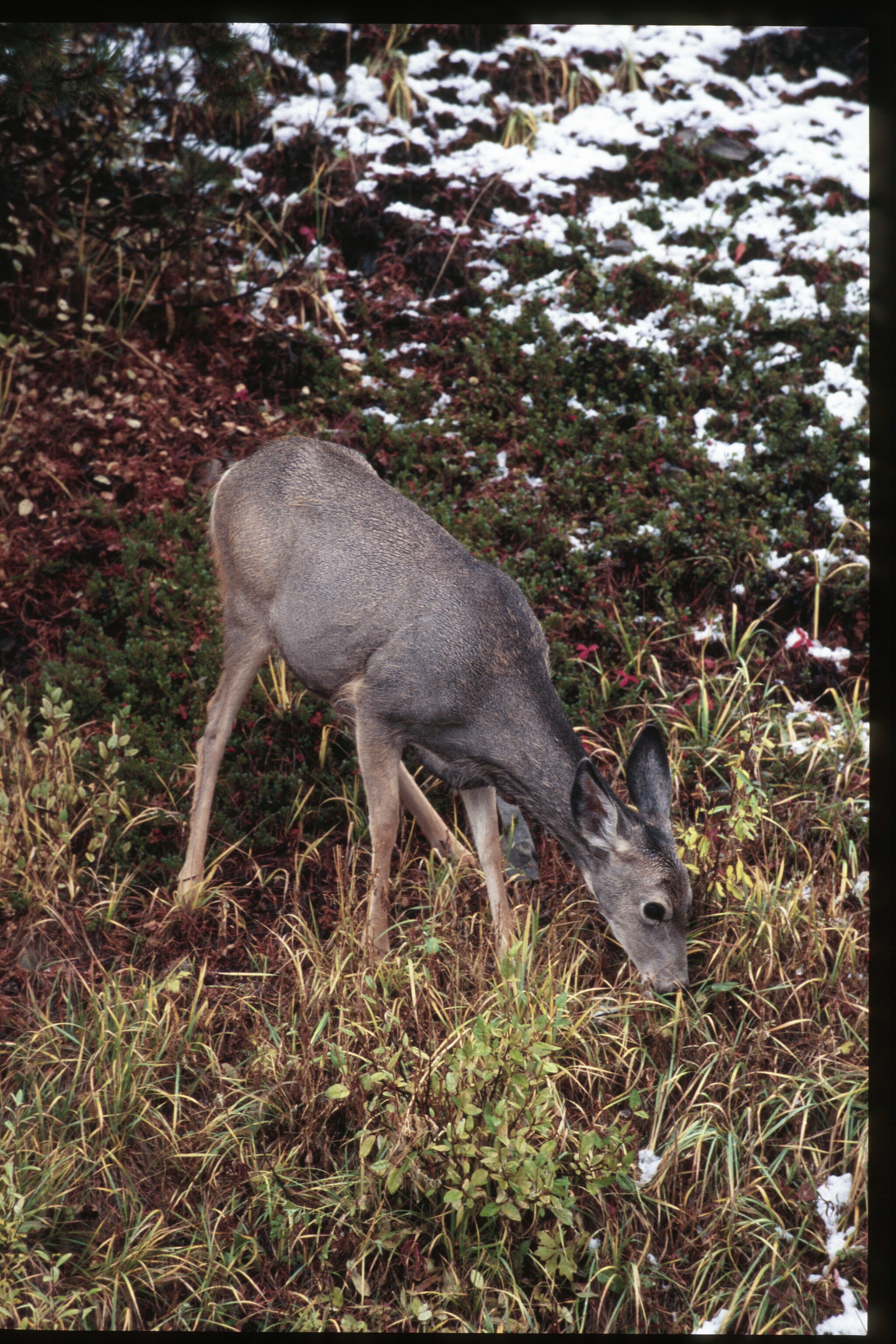
The cover of this month’s issue of TIME depicts a young female deer below the headline “America’s Pest Problem.” The wildlife activist community is in an uproar over the article many see as factually inaccurate and something more fit for an op-ed

The article does appear to be advancing an agenda, as the last line in the lead paragraph on the TIME website reads “Why wildlife in the U.S. needs stronger management.”  The article’s full title is “America’s Pest Problem: It’s time to cull the herd.”  Whether intentional or not, David Von Drehle’s article has sparked controversy.

Almost immediately, activists took to the internet expressing their outrage. The article’s dateline is Dec 9, 2013, but is available online now. A Facebook event page is already set up to encourage people to write physical letters to TIME. The event page has this in its description

Time Magazine is coming out with an article to the general public, supporting the slaughter of wildlife on a grand scale. This article is extremely dangerous and inaccurate. This article supports outright slaughter of our wildlife in all parts of the country stating that we are all being overrun with animals and that “experts” say it is necessary. Time Magazine has a responsibility to the public to be accurate and unbiased, and not promote an anti-environment extremist point of view.

Protecting Endangered Species, the Facebook page hosting the letter writing event had this to say in a statement

It is disturbing that Time Magazine has used it’s reputation as a legitimate news source to promote a very extreme and controversial opinion as fact. The consequences of promoting this type of intolerance of our wildlife are severe and promotes violence and cruelty towards our animals. Wildlife belongs to all of us as a nation, not to the special interests of oil, the livestock industry, and recreational hunters. The opinion expressed by Time is that of these special interest businesses and is in direct opposition to wildlife experts and the overwhelming number of voters in the states of concern. This is an opinion which could be freely expressed in an op-ed section, but to present it as fact, as a cover story, is highly unprofessional and exerts the power of Time magazine in an inappropriate manner.

The use of hunting today beyond the purpose of sustenance is a very important contributor to the destruction of our environment. The use of hunters to control populations or “manage” them IS THE PROBLEM. At the turn of the century the wolves and other predators were nearly exterminated out of fear and lack of knowledge of biology, contributing to over and under populations of other animals. We know more about biology than we did in 1900 and this needs to stop. No form of hunting is superior to Nature, and the motivations of special interests are based on human desires of consumption, they are not based on the best interest of the animals or the environment. Misinformation needs to be corrected before we destroy what we do have left. We have nonviolent and nonlethal means to correct problems and we need to use them.

One of the activists participating in the event, Mar Wargo, expressed her opinion as well

Americans seem to be learning and expressing a new ethic today. It seems to me it is not a well educated ethic and lacks moral grounds. In the 40 years of the Endangered Species Act, Wild Free Roaming Horse and Burro Act we have come full circle and now have this tremendous backlash towards the wild animals and wild lands. I believe much of this is corporate interests and this now encompasses hunters who had not been the enemy at one time. They had been the conservationists once. No longer. Killing is too popular and this is all weighed down in ignorance and greed. We have good laws that allowed us to participate in the process and stop actions against wild lands and wildlife. This is Not user friendly any longer, we have lost much of our own traction as a result. We need to regain sanity and science in this country. We need to respect this Earth which is now damaged beyond repair if we intend to survive. Killing the Earth is not the way to survival.

Photo Copyright Jim Robertson

Photo Copyright Jim Robertson


A HUGE Positive Step: China to Finally Criminalize Poaching

http://www.onegreenplanet.org/news/a-huge-positive-step-china-to-finally-criminalize-poaching/?utm_source=Green+Monster+Mailing+List&utm_campaign=fdb7346a41-GM_RSS_EMAIL_CAMPAIGN&utm_medium=email&utm_term=0_bbf62ddf34-fdb7346a41-102169273

Kristina Pepelko                       
December 5, 2013

Many never thought they’d see the day come, but it finally has – China, one of the world’s largest importers of ivory, has announced, that it, along with 29 other nations, will help protect the world’s elephants by criminalizing poaching.

Now, that’s something to celebrate.

For the past year, it seemed that poaching was reaching a whole new level, with poachers resorting to tactics like cyanide poisoning to hack off precious elephant tusks and a death toll skyrocketing to 22,000 dead elephants across Africa in 2012 – a number that a new report by the Convention on International Trade in Endangered Species (CITES) recently revealed.

The same report estimates that if poaching continues at around the same rate it is now for the next 10 years, 20 percent of Africa’s elephants will be wiped out, further devastating the ecosystem and an already vulnerable population.

These numbers are almost as hard to hear as this recording of an elephant slaughter and the heartbreaking fact that elephants are still affected by mass killings years later.

Plenty of tactics have been proposed to combat this crime and the grim future

 facing Africa’s wildlife including shooting poachers on the spot and hiring more park rangers. But what has sorely been missing from the conversation is a collective crack-down on the crime by the international community.

Thankfully, nations have finally been shaken into action. At a summit this week in Bostswana’s capital Gaborone, 30 nations, including China, Germany, Zambia, Nigeria, Zimbabwe, Botswana, Thailand, Vietnam, the Philippines, and the United States, signed an agreement to adopt 14 measures to protect wildlife crime victims.

According to Bloomberg, the steps “include classifying poaching as a serious crime, strengthening cross-border law-enforcement and reining in demand for ivory in Asia with information campaigns.”

“The conference resulted in concrete improvements for elephants in Africa,” German Environment Minister Peter Altmaier said via Bloomberg. “I hope that we can now break the dangerous

 trend toward more poaching.”

Ultimately, what this new agreement does is “render the trade of ivory … a serious crime, enforceable under international law, with stricter prison sentences,” reports International Business Times.

Now, isn’t that something? It’s always said that good things happen when you least expect it, and turns out, it’s true. Many thought poaching was getting beyond control, and that there was little hope left for major steps to be taken against it. But perhaps we threw down our hats too soon.

While time will tell how well this new agreement will be upheld, for now, let’s take the good news and celebrate properly (cake, anyone?).

Image source: Voices in the Wilderness / Flickr

ele-with-tusks-feature

An Epidemic of Hunting Accidents

Hunting accidents have practically reached pandemic level. Too many to mention individually, so here’s a link to the sources mentioned below: https://news.google.com/news/section?pz=1&cf=all&ned=us&hl=en&csid=ae26c3fb108014d3&siidp=75ad5e99b70c9907fca939811a0128d7f552

Oregon man killed in hunting accident

ErieTVNews – ‎Dec 4, 2013‎

FWC: Man killed in hunting accident

The Northwest Florida Daily News – ‎Dec 2, 2013‎

See realtime coverage »

Fulton Co. hunting accident kills 1

Toledo Blade – ‎Dec 3, 2013‎

See realtime coverage »

Hunter killed in shooting accident identified

Columbus Dispatch – ‎Dec 3, 2013‎

See realtime coverage »

NewsOn6: Oklahoma teen killed in hunting accident, police say

NewsOK.com – ‎Dec 4, 2013‎

See realtime coverage »

Milton man dies in Santa Rosa hunting accident, FWC says

Pensacola News Journal – ‎Dec 1, 2013‎

Man dies in apparent hunting accident

LimaOhio.com – ‎11 hours ago‎

EXCLUSIVE: Ohio hunting season kicks off with several reported hunting-related …

WOWK – ‎Dec 3, 2013‎

1 injured in hunting accident

Tiffin Advertiser Tribune – ‎3 hours ago‎

Man airlifted to hospital after hunting incident

Billings Gazette – ‎Dec 4, 2013‎

Marion Man Hurt In Hunting Accident

KCRG – ‎Dec 2, 2013‎

See realtime coverage »

Hunter fatally shoots self in Duvall accident

The Seattle Times (blog) – ‎Dec 1, 2013‎

DA: Charges Possible After LI Firefighter Killed In Upstate Hunting Accident

CBS Local – ‎Nov 19, 2013‎

See realtime coverage »

One dead in hunting accident

The Bryan Times (subscription) – ‎Dec 3, 2013‎

See realtime coverage »

14-Year-Old Boy Shot In Hunting Accident

WFMY News 2 – ‎Nov 28, 2013‎

Winchester teen shot in hunting accident

Central Kentucky News – ‎Nov 29, 2013‎

DNR investigating hunting accident near Boycevillebj1bg2az

WQOW TV News 18 – ‎Nov 29, 2013‎

See realtime coverage »

Santa Rosa County man dies in hunting accident

WEAR – ‎Dec 2, 2013‎

Rockingham teen severely hurt in hunting accident

Greensboro News & Record – ‎Nov 28, 2013‎

Man Life-Flighted After Hunting Accident

Rivertonradio.com – ‎Dec 2, 2013‎

Did Your Tax Dollars Pay to Hunt Down That Cow?

15242-333e1363ed3eb6b53508d726e22a5fecb3cbcb4a168d4cea6cce61d8_w_240_px     

Hawaii Monitor: Did Your Tax Dollars Pay to Hunt Down That Cow?

By  Ian Lind                 12/04/2013

State investigators are probing whether the History channel’s “American Jungle” violated state rules and regulations while filming. For example,  the episodes broadcast so far have included scenes of night hunting, which is prohibited by state law, and hunting down a cow with spears and dogs, although cattle “are illegal to hunt without a special feral cattle control permit” issued by the state.

Full Story: http://www.civilbeat.com/posts/2013/12/04/20566-hawaii-monitor-did-your-tax-dollars-pay-to-hunt-down-that-cow/