- Yellowstone National Park
- Yellowstone Bison Management Plan EIS
- PO Box 168
- Yellowstone National Park, WY 82190
Monthly Archives: March 2015
THE NINE PLANETARY BOUNDARIES
This stark warning comes after an Earth resilience strategist warned mankind has exceeded four of the nine limits for hospitable life on the planet.
Excerpt From: Climate change: Antarctica’s glaciers melting, sea levels rising
Johan Rockstrom predicts we are getting close to dangerously close to hitting the fifth in a an article published in Science earlier this year.
Rockstrom came up with the idea of nine planetary boundaries in 2007 and his theory goes that in order to keep Earth hospitable, humans need to live within these nine specific boundaries.
THE NINE PLANETARY BOUNDARIES:
1. Climate change
2. Lost biodiversity as species become extinct
3. Addition of phosphorus nitrogen and other elements to the world’s crops and ecosystems
4. Deforestation and other land use changes
5. Emission of aerosols into the atmosphere that affect climate and living organisms
6. Stratospheric ozone depletion
7. Ocean acidification
8. Freshwater use
9. Dumping of organic pollutants, radioactive materials, nanomaterials, micro-plastics and other man-made substances into the world’s environment.

The nine planetary boundaries. Picture: TED. Source: Supplied
SO FAR, WE’VE WRECKED FOUR OF THEM:
As the above graphic shows, when it comes to harming the planet, humans have already made massive mistakes when it comes to climate change, extinction of various species and adding
phosphorus and nitrogen to the world’s ecosystems.
We’ve also made mistakes when it comes to deforestation and are on the way to ruining the Earth further in regards to poisonous aerosol emissions and stratospheric ozone depletion.

The nine planetary boundaries. Picture: TED. Source: Supplied
However Rockstrom maintains his recent paper — which is co-authored by 17 colleagues — isn’t a doomsday message, but more of a reminder how lucky humans have been to survive this long.
“The planet has been our best friend by buffering our actions and showing its resilience,” Rockstrom told Ideas Ted, earlier this month.
“But for the first time ever, we might shift the planet from friend to foe.”
Support Petition to Ban Coyote Killing Contests in NV!
From Project Coyote:
Coyotes in Nevada need your voice! On March 20th, the Nevada Board of Wildlife Commissioners will vote to accept or reject a petition to ban coyote-killing contests in the state. You do not have to be a Nevada resident to express your support and have it count! Encourage the Commission to accept this petition; there are four ways to do so:
- Testify at the Commission meeting on Friday, March 20th. You do not need to be an “expert” or have detailed information! Since these contests involve the unnecessary destruction of a public “resource” (wildlife, including coyotes, belongs to everyone per NRS 501.100), your opinion and related comments are pertinent. Please see “talking points” below to guide your testimony and remember, anyone can testify – kids included (and encouraged).
- If you can’t make it to the meeting, email or write to the Commission at the address below to express your support for a ban and to encourage the Commission to accept the petition. See “talking points” for guidance on what to say.
- In addition to the above, submit letters to the editor of Nevada papers in support of a ban on coyote-killing contests. See “talking points” below, but as always, the more you personalize your letter, the more effective.
- Spread the word! Pass this alert on to others in Nevada and encourage them to take action.
P.S.- read this recent article in the Reno Gazette-Journal about this issue.
Meeting starts at 8:30am. Petition hearing should begin around 9:30-10:00am but arrive early to get a seat and to sign up to testify.
There will also be a video conference connection in Las Vegas and Elko.
In Las Vegas:
College of S. Nevada, 3200 Cheyenne Ave., Main Building, Room 2638.
In Elko:
Great Basin College, 1500 College Parkway, High Tech Center, Room 137.
1100 Valley Road
Reno, NV 89512
Send email addressed to Commissioners to:
Suzanne Scourby sscourby@ndow.org and please cc info@projectcoyote.org (Project Coyote is tracking letters sent) and Governor Sandoval Hunt cthunt@gov.nv.gov
Talking Points (please personalize your letters!):
Please be sure to state that you encourage the Commissioners to accept the petition to ban coyote-killing contests in addition to outlining your arguments against such contests.
- Coyote-killing contests are conducted for profit, entertainment, prizes, and simply for the “fun” of killing. In December 2014, the California Fish and Game Commission voted to close the loopholes that allowed the killing of wildlife for prizes and inducements – becoming the first in the nation to ban the practice for coyotes, foxes, bobcats and other species. Nevada should follow California’s lead.
- Coyotes are often baited and lured with distress calls of pups or wounded prey, placing coyotes at an even greater and unfair disadvantage. Read more here.
- No evidence exists showing that indiscriminate killing contests serve any effective wildlife management function. Coyote populations that are not exploited (e.g. hunted or trapped) form stable “extended family” social structures that naturally limit populations through defense of territory and the suppression of breeding by subordinate female members of the family group. Indiscriminate killing of coyotes disrupts this social stability resulting in increased reproduction and pup survival. Read more here.
- Coyotes have been shown to provide ecosystem services that benefit humans, including the control of rodents and rabbits which compete with domestic livestock for forage and which are associated with diseases such as plague, hantavirus, tularemia and Lyme disease. Read more here.
- Coyote-killing contests perpetuate a culture of violence and send the message to children that life has little value and that an entire species of animals is disposable.
- Coyote-Killing contests put non-target wildlife, companion animals, and people at risk.
- A ban on coyote-killing contests in Nevada will not restrict the ability to protect property including livestock, will not undermine Second Amendment gun ownership rights, nor will it limit hunting in any other way.
Big Idea nominee AxoSim Technologies: using chips instead of animals to test drugs
http://www.nola.com/business/index.ssf/2015/02/big_idea_nominee_lowry_curley.html
New Orleans Entrepreneur Week‘s Big Idea 2015 nominee AxoSim Technologies is described as “improving the drug development process of new treatments. Currently, the only data available preclinically relies on either simplistic cell models or animal testing. Employing micro-engineering techniques and novel biomaterials, AxoSim developed a 3D cell-based model that acts and functions like a nerve. This alternative to costly animal testing gives pharmaceutical companies access to high content data faster, earlier and at a lower cost than currently possible. AxoSim’s patent pending core technology was developed in the lab of Dr. Michael J. Moore at Tulane University. Our mission is to assist in the development of safer and more effective drugs, ultimately accelerating medical breakthroughs and improving people’s health.”
- Founders: Lowry Curley
- Co-founder: Michael J. Moore
- Web: axosim.com
- Twitter: @axosim
- Facebook: facebook.com/axosimtech
- Nominated by: JEDCO
MADRAVENSPEAK: Why Does John Muir Audubon Society Have a Bird-Killing Activist on Its Board of Directors?
Wisconsin Wildlife Ethic-Vote Our Wildlife
Planetary extinction toll: “Songbirds down 50 percent since 1965; marine birds down 30 percent since 1995.” — “Call of Life” documentary
Many people think the Audubon Society is a nonprofit standing up for the life of birds. I did. But the mission statement of the Madison Audubon Society says little of saving birds. The group focuses on habitat, funding, education, and administration. John Livingston (1923-2006), executive director of the Canadian Audubon Society in the early 1950s, quit in the early 1960s because “the demands made on me by the Audubon head office in the United States were rather different from saving wildlife — they expected me to concentrate on administrative and financial affairs.” (Farley Mowat interview, 1990)
Jim Shurts is on the board of the Madison Audubon Society. Ironically, he is “board sanctuaries chair.” He is also the contact person for the John M. Keener chapter of the Ruffed Grouse…
View original post 950 more words
The Animal Needs Every Part
Image
11 Grisly Requests From PETA President’s Will
Ingrid Newkirk’s unique will details the PETA founder and president’s final will and testament. Unlike most wills, Newkirk’s does not dwell on money or property. It does designate the bestowing of gifts to others, albeit in rather gruesome, unexpected, and pointed ways.

Newkirk wants to continue her fight for animals even in death. Her instructions call attention to the suffering of animals in a number of areas, including in the meat industry, in the skins trade, in laboratories, and in circuses, hunts, and other forms of animal-based “entertainment.” If Newkirk’s plans for her remains seem gross to you, it’s time to realize how disgusting it is to do such things to other animals—and it’s time to go vegan.
1. Carve out and sear some of my flesh for a human barbecue.
Newkirk always says that when it comes to feelings, “a rat is a pig is a dog is a boy.” If you wouldn’t carve out a chunk of a person’s flesh and throw it on the grill, why would you do the same to any other living being
2. Peel off my skin for the first voluntary lizard-skin purse.
No animal has ever willingly given his or her skin for a leather handbag, so Newkirk and her lizard-skin tattoo could be the first—and hopefully the last, considering the number of vegan leather options available.
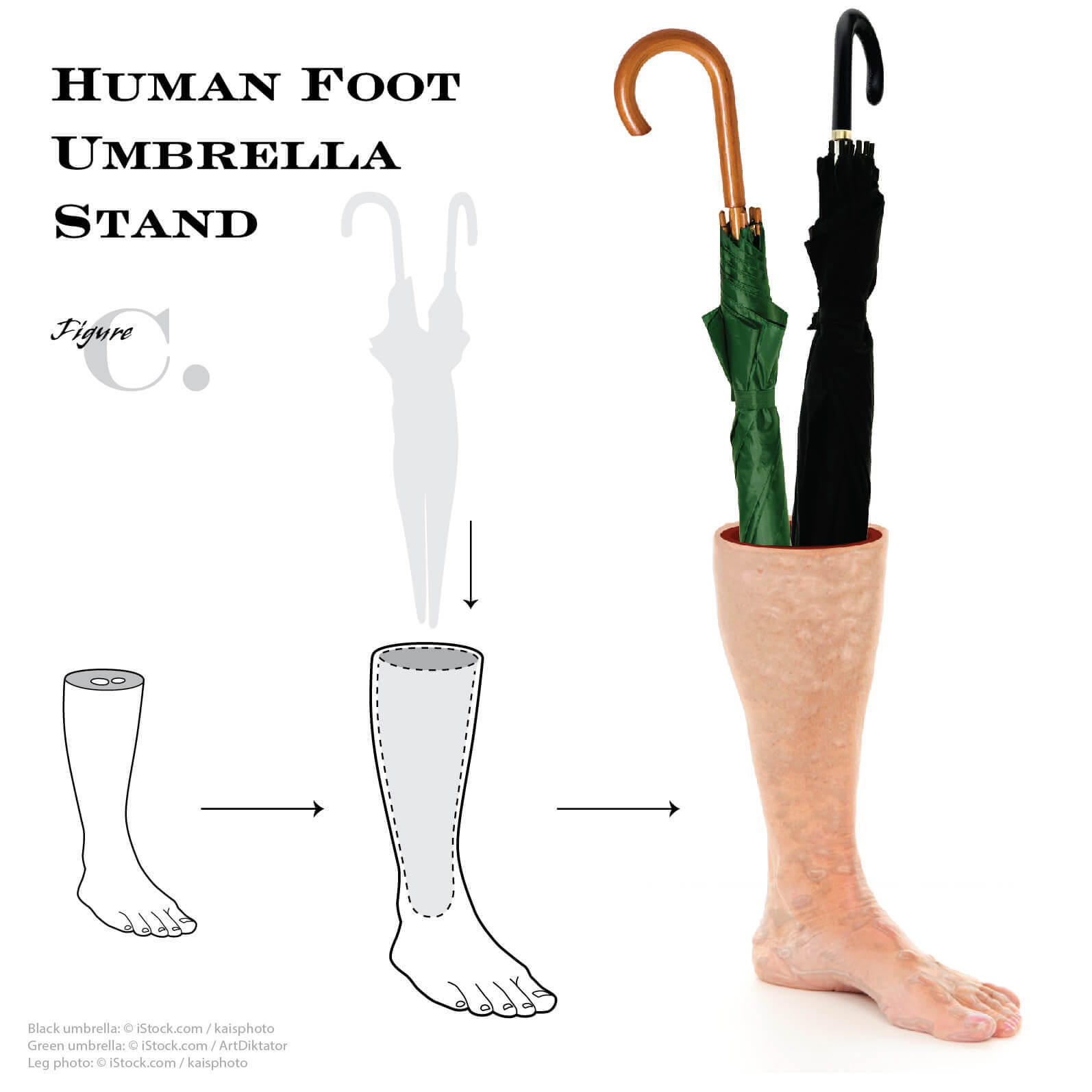
3. Dismember my legs and fashion them into human umbrella stands.
As a child, Newkirk encountered a number of elephant-foot ornaments and tiger rugs in Delhi. It’s creepy and wrong to use body parts as household decorations.
4. Scoop out and mount an eyeball to watch over the Environmental Protection Agency (EPA).
When it comes to animal testing, the EPA has been one of the worst offenders. Newkirk wants to keep her eye on the agency until it gives up its cruel practices and chooses to use the range of more accurate non-animal methods available.
5. Deliver my pointing finger to Ringling Bros. and Barnum & Bailey Circus.
Newkirk will thus cement the “Greatest Accusation on Earth” against Ringling for the extreme suffering endured by the circus’s captive elephants, big cats, and other animals.
6. Vacuum-pack my liver for use in a human foie gras dish for the French.
Foie gras is a nasty business where grain is forcibly pumped down ducks’ and geese’s throats several times a day in order to fatten their livers. Newkirk wants to appeal to French shoppers to stop supporting this cruelty.
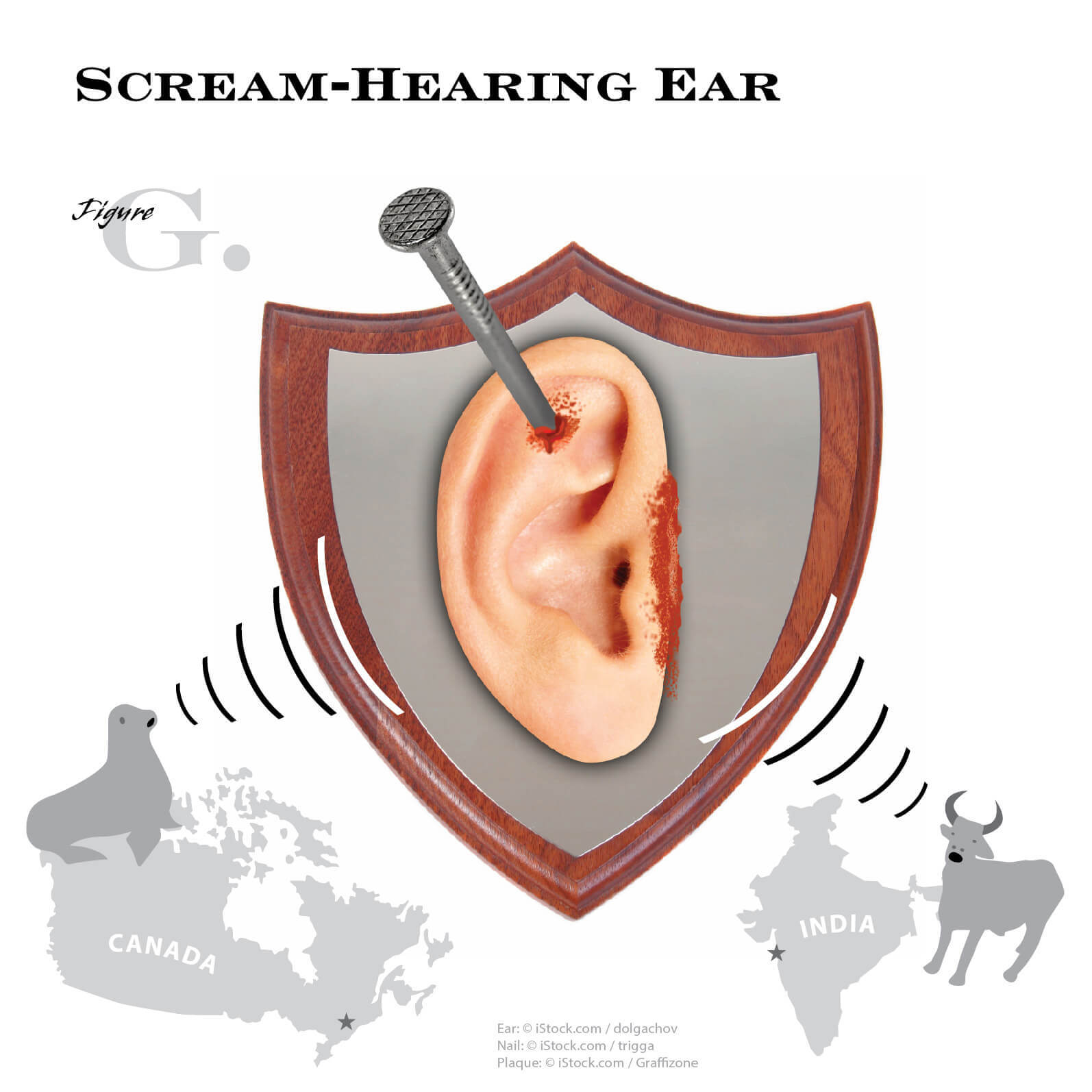
7. Chop off my ears and fashion them into human hearing aids.
PETA will send one of Newkirk’s ears to the Canadian Parliament to encourage its members to hear the screams of animals who are skinned alive for the fur trade. Her other ear will go to the Deonar slaughterhouse in Mumbai to remind the world that the animals’ blood-curdling screams don’t stop at the slaughterhouse walls.
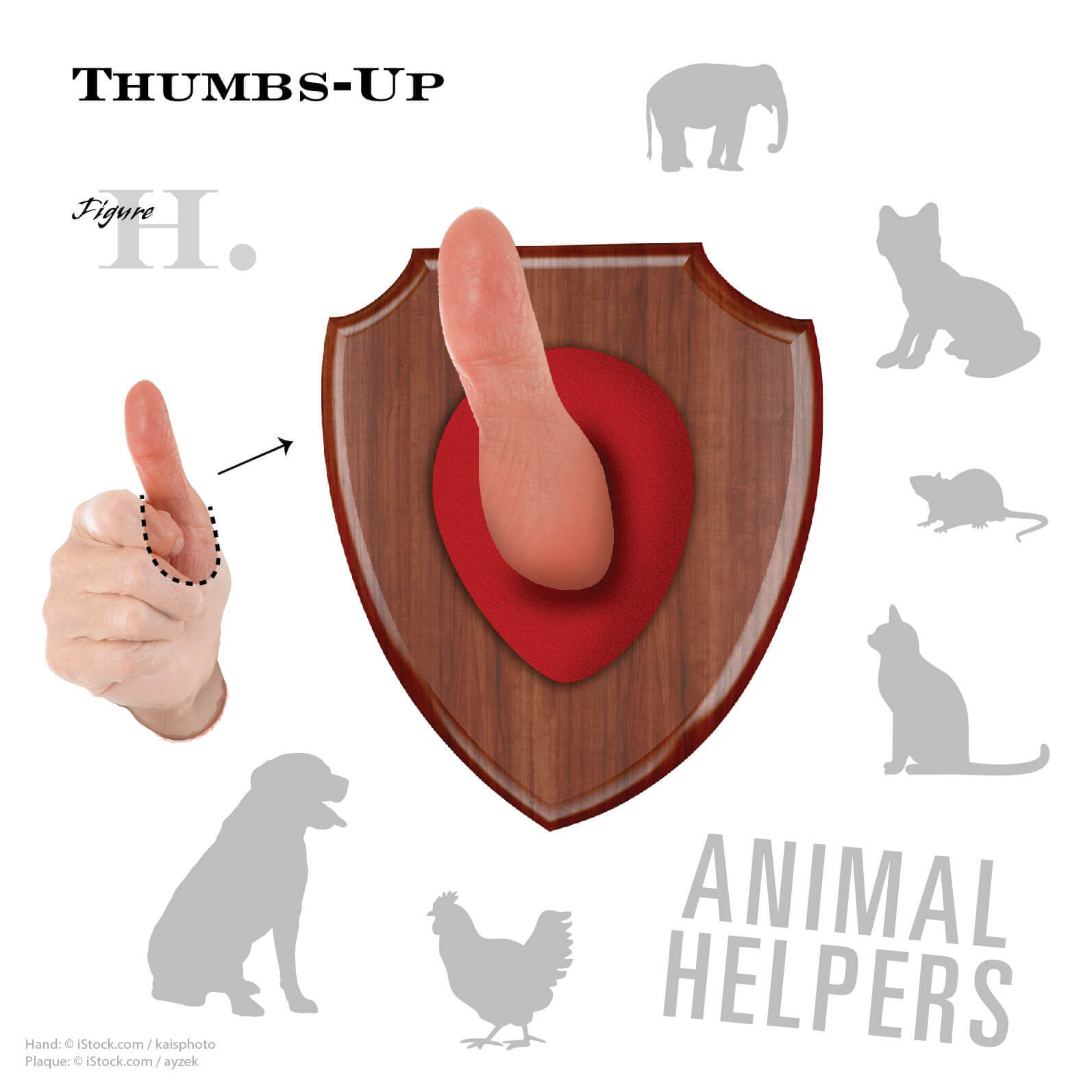
8. Sever a thumb and mount it as a “thumbs-up” plaque.
Newkirk wills her thumbs-up award to the greatest champion of animal rights in the year following her death.
9. Mount my other thumb to create a thumbs-down plaque.
Conversely, Newkirk wants her thumbs-down awarded to whoever most egregiously frightens or harms animals in the year after her death. Animal abusers beware.
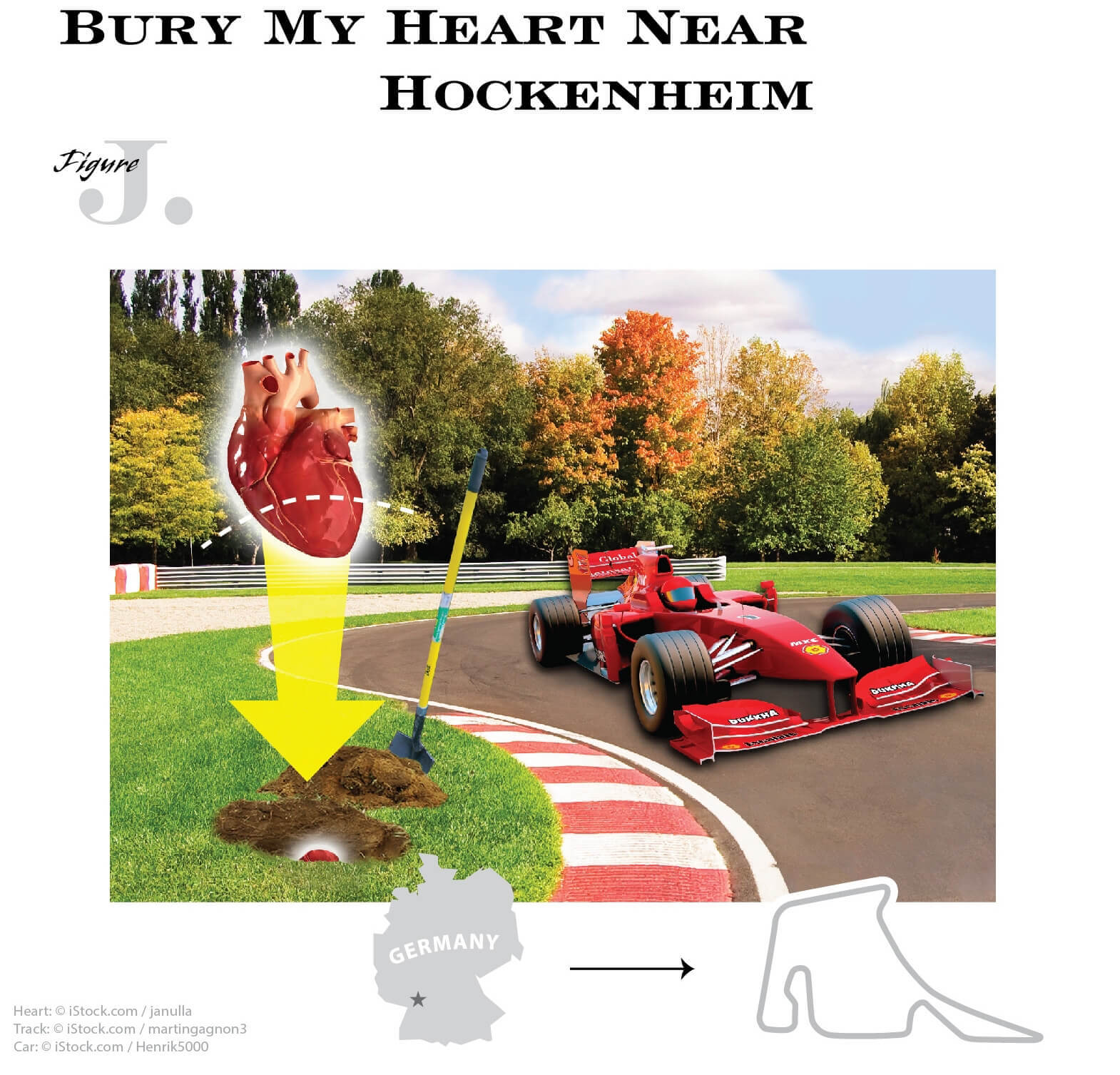
10. Bury a piece of my heart at the Hockenheim race track.
Newkirk is a huge fan of Formula 1 racing and in particular of Michael Schumacher, who helped write letters for PETA campaigns in the past. Schumacher is a racer with a heart for animals, and Newkirk would like a piece of her heart buried at the track where this multiple world champion won the 1995 German Grand Prix.
11. PETA can use the rest of my body in ANY way that draws attention to animal suffering.
Newkirk wants PETA to use her additional body parts however it can to raise awareness of cruelty to animals. At the end of the day, it should be no worse to watch a human body go through these processes than to watch a suffering animal. We’re all animals, but humans have the ability prevent the unnecessary deaths of other animals just by making kind choices.

Which gruesome instruction shocked you the most? Let us know on Facebook and Twitter and tell us how we should use the rest of Newkirk’s body to raise awareness for animals!
What’s next and when will it end? Idaho officials kill 19 wolves to boost elk herds
[Yesterday it was reported that Alaska killed 18 wolves to boost moose (for humans, of course), today, Idaho officials announced that they killed 19 wolves to boost elk herds (also for the benefit of humans). What’s next and when will it end?]
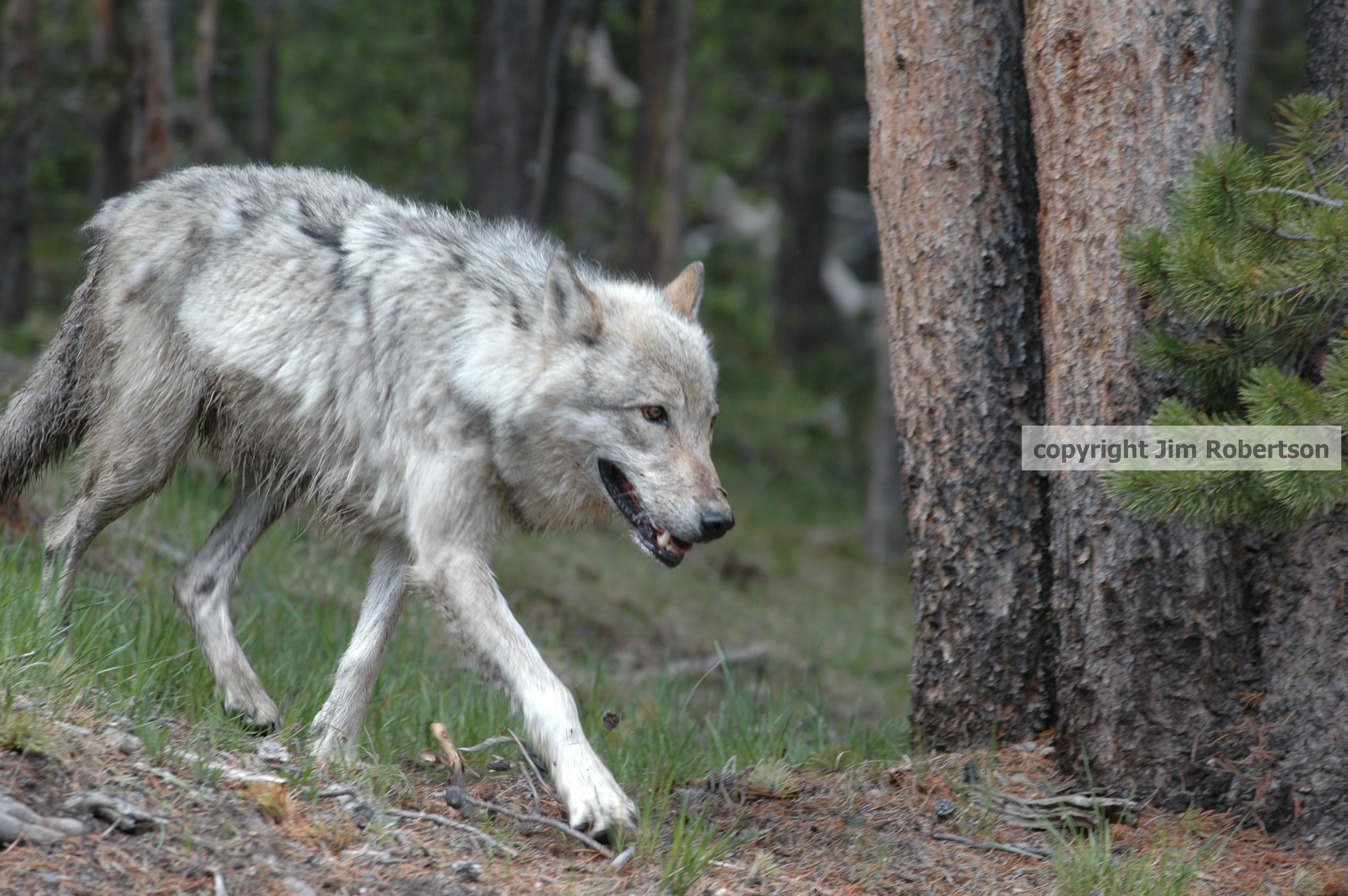
LEWISTON, Idaho (AP) – Idaho officials say 19 wolves have been killed in northern Idaho in an effort to reduce wolf numbers and increase the elk population.
The Idaho Department of Fish and Game on Monday announced the killings carried out last month by the U.S. Department of Agriculture’s Wildlife Services in the Lolo Hunting Zone.
Jerome Hansen of Fish and Game tells the Lewiston Tribune in Lewiston that elk numbers in the region have dropped dramatically over the past 26 years.
Fish and Game says the area had an estimated 16,000 elk in 1989 but that the agency now believes the population could be as low as 1,000.
More: http://www.ktvb.com/story/news/local/regional/2015/03/10/elk-wolves-killed/24697063/
18 wolves shot near Interior AK village to boost moose population
http://www.adn.com/article/20150313/18-wolves-shot-near-interior-village-boost-moose-population
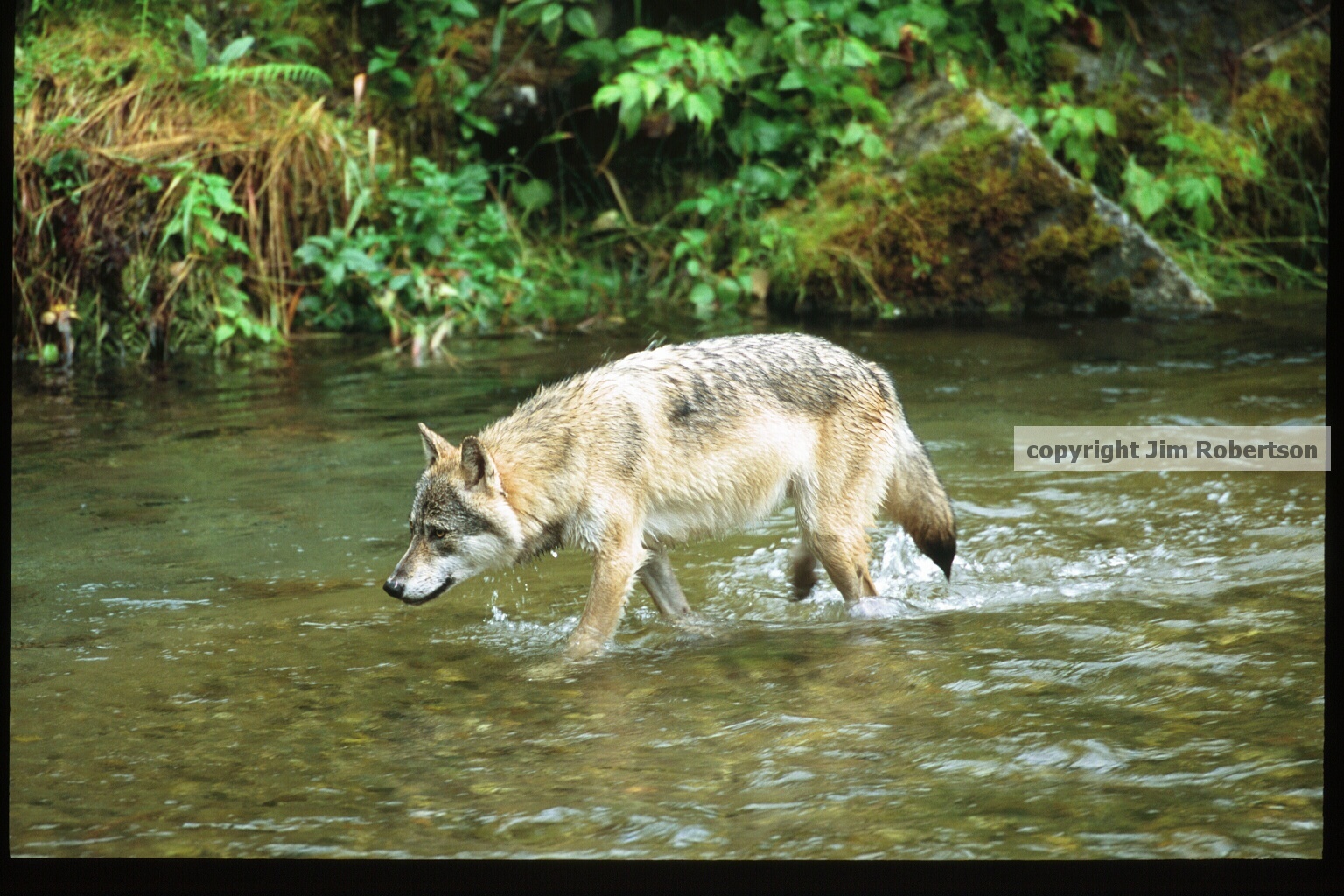
FAIRBANKS — Crews from the Alaska Department of Fish and Game shot 18 wolves from the air this week near Allakaket in the third year of a program to boost moose populations in the upper Koyukuk River drainage.
The wolf-control program is to continue as long as weather permits, said Cathie Harms,
a spokeswoman for the department. The goal is to reduce the wolf population to as low as possible in an area of about 1,360 square miles near Allakaket and Alatna to allow more moose to be hunted by humans, according to a report by the Division of Wildlife Conservation.
She said the crews use a fixed-wing airplane to spot wolves and call in a helicopter, from which shotgun-wielding agents take aim. The bodies are recovered afterward, she said. The area about 180 miles northwest of Fairbanks is mostly owned by Native corporations.
The wolf-control program, approved in 2011, came about because the moose harvest near the two villages had become increasingly difficult over the previous 15 years. Up to 60 wolves were believed to be within the area before the program began. In 2012, the Fish and Game killed 23 wolves.
It snowed earlier in the week and with the extended daylight hours, the conditions for tracking wolves from the air were good, she said. While black and grizzly bears are the main predators of moose calves in the area, a 2011 report said, there are “strong cultural taboos in the area concerning bears,” which prompted the department to leave the bear population alone.
Bears are believed to be the main predators of calves, but wolves are believed to be the main predators of moose that are more than 1 year old, particularly yearling bulls.
The feasibility study said that because the area is about 10 percent of Unit 24B, the killing of the wolves is not expected to have a significant impact on the overall wolf population in the 13,500-square-mile unit. The report predicted that within 10 years, the moose population close to the villages would increase by 300 to 350 animals.
The cost of the program has varied by year depending upon whether the conditions for tracking wolves were good. In 2012, when 23 wolves were shot, the program cost about $200,000.
Because it is limited to 1,300 square miles, the wolf control program “is simply a reallocation of the moose resource from wolves to humans in a confined area,” the feasibility report said, not necessarily leading to an overall increase in moose numbers in the larger region.
…and the Grasshoppers Inherit the Earth
Those who are still harboring fantasies about a time of peace and harmony, sustainability, or inherent respect for nature in human kind’s pre-Columbian past should read, Constant Battles, by Steven A. LeBlanc, which explodes the myths about the peaceful, noble savage and the notion of early conservation ethics.
Here’s an excerpt from that book’s chapter, “Enter Conflict:”
“What sets humans apart from almost all other animals is their ability to take resources from other groups, by group action. A large male bear can chase other bears from the best fishing spot along the river, and a male lion can defend its pride’s territory from other lions, but humans developed this process much further. They can cooperatively take over the territory or resources of another group—either by killing them off or driving them from the resources. Such aggression is not without risk, but it is achievable. The ability to engage in social cooperation sets up a dynamic among population growth, carrying capacity, and the potential for conflict.
“Not only are human societies never alone, but regardless of how well they control their own population or act ecologically, they cannot control their neighbors’ behavior. Each society must confront the real possibility that its neighbors will not live in ecological balance but will grow its numbers and attempt to take the resources from nearby groups. Not only have societies always lived in a changing environment, but they always have neighbors. The best way to survive in such a milieu is not to live in ecological balance with slow growth, but to grow rapidly and be able to fend off competitors as well as to take resources from others.
“To see how this most human dynamic works, imagine an extremely simple world with only two societies and no unoccupied land. Under normal conditions, neither group would have much motivation to take resources from the other. People may be somewhat hungry, but not hungry enough to risk getting killed to eat a little better. A few members of either group may die indirectly from food shortages—via disease or infant mortality for example—but from an individual’s perspective, he or she is much more likely to be killed trying to take food from the neighbors than from the usual provisioning shortfalls. Such a constant world would never last for long. Populations would grow and human activity would degrade the land or resources, reducing their abundance. Even if, by sheer luck, all things remained equal, it must be remembered that the climate would never be constant: times of food stress occur because of changes in the weather, especially over the course of several generations. When a very bad year or series of years occurs, the willingness to risk a fight increases because the likelihood of starving goes up. …
“Now comes the most important part of this overly simplified story: The group with the larger population always has the advantage in any competition over resources, whatever those resources may be. Over the course of human history, one side has rarely had better weapons or tactics for any length of time, and most such warfare between smaller societies is attritional. With equal skills and weapons, each side would be expected to kill an equal number of its opponents. Over time, the larger group will finally overwhelm the smaller one. This advantage of size is well recognized by humans all over the world, and they go to great lengths to keep their numbers comparable to their potential enemies. This is observed anthropologically by the universal desire to have many allies, and the common tactic of smaller groups inviting other societies to join them, even in times of food stress.
“Assume for a moment that by some miracle one of our two groups is full of farsighted, ecological geniuses. They are able to keep their population in check and, moreover, keep it far enough below the carrying capacity that minor changes in the weather, or even longer term changes in the climate, do not resort in food stress. If they need to consume only half of what is available each year, even if there is a terrible year, this group will probably come through the hardship just fine. More important, when a few good years come along, these masterfully ecological people will not grow rapidly, because to do so would mean that they would have trouble when the good times end. Think of them as the ecological equivalent of the industrious ants.
“The second group, on the other hand, is just the opposite—it consists of ecological dimwits. They have no wonderful process available to control their population. They are forever on the edge of carrying capacity, they reproduce with abandon, and they frequently suffer food shortages and the inevitable consequences. Think of this bunch as the ecological equivalent of the care-free grasshoppers. When the good years come, they have more children and grow their population rapidly. Twenty years later, they have doubled their numbers and quickly run out of food at the first minor change in the weather. Of course, had this been a group of “noble savages” who eschewed warfare, they would have starved to death and only a much smaller and more sustainable group survived. This is not a bunch of noble savages; these are ecological dimwits and they attack their good neighbors in order to save their own skins. Since they now outnumber their good neighbors two to one, the dimwits prevail after heavy attrition on both sides. The “good” ants turn out to be dead ants, and the “bad” grasshoppers inherit the earth.
“The moral of this fable is that if any group can get itself into ecological balance and stabilize its population even in the face of environmental change, it will be tremendously disadvantaged against societies that do not behave that way.” The long-term successful society, in a world with many different societies, will be the one that grows when it can and fights when it runs out of resources. It is useless to live an ecologically sustainable existence in the “Garden of Eden” unless the neighbors do so as well.”