Now that the heinous legislation SB 1211 allowing the slaughter of 90 percent of Idaho’s 1,500 wolves has become law effective July 1, the Idaho Department of Fish and Game is seeking public comment on regulations to align with SB 1211 and allow wolves to be killed with traps, snares, dogs, and in dens along with pups.What we are witnessing is a return to an old form of brutal wolf hatred and it is clear that Idaho is on a warpath to eradicate wolves by any means. We must speak out against this hatred. Even if you don’t live in Idaho, you can still speak up. This action will take less than a minute and the deadline is June 13, so please take action NOW! Tell Idaho Fish and Game You Stand with Wolves!1. Go to this ID Fish and Game page and scroll to the bottom.a. Indicate whether you are a residentb. Select NO for the second question.c. Complete the contact information (all fields are required).2. Email the Director of Idaho Fish and Game, Ed Schriever, and the Commission, using the talking points below and copying the following emails:rules@idfg.idaho.gov, ed.schriever@idfg.idaho.gov, MagicValley.Commissioner@idfg.idaho.gov, tim.murphy@idfg.idaho.gov, brad.corkill@idfg.idaho.gov, clearwater.commissioner@idfg.idaho.gov, lane.clezie@idfg.idaho.gov, derick.attebury@idfg.idaho.gov, salmon.commissioner@idfg.idaho.gov3. Sign our Petition and share this action alert and infographic with friends and family and on social media!Talking points to craft your message (and please personalize):If you are from or currently live in Idaho, state your town. If you don’t have connections to Idaho, explain why you will not spend your tourism dollars in a state like Idaho that wantonly slaughters wildlife.These currently proposed regulations, including night hunting with spotlights and thermal imaging and no motorized vehicle restrictions and no weapons restrictions on private land, violate fair chase and any sense of ethical hunting principles.Using dogs to hunt wolves is unsporting, state-sanctioned dogfighting and endangers domestic dogs. Hunting wolves over bait increases the chances of conflict, disease transmission and also violates fair chase.The expanded use of trapping and snaring endangers other imperiled species, including Canada lynx and grizzly bears.The state’s elk numbers are at all-time highs and in no danger from wolves. The elk population has been experiencing what ID Fish and Game calls the “second golden era of elk hunting” for the last six years or more and, as of last March 2020, was estimated to be at least 120,000.Wolves cause less than 1% of cattle deaths and any depredation can be effectively managed with non-lethal methods.Killing wolves at this rate will only support decisions to relist them with Endangered Species Act protections.Wolves alive and thriving bring value to Idaho in many forms, including ecosystem services and tourism dollars.The majority of Idahoans and Americans support wolf recovery at levels where wolves can fulfill their ecological functions. Almost no one supports wasting tax dollars to recover wolves, just to exterminate them again. |
Monthly Archives: June 2021
Standing up for marine animals is the perfect way to celebrate World Oceans Day
By Kitty Block and Sara Amundson
June 8, 2021 0 Comments

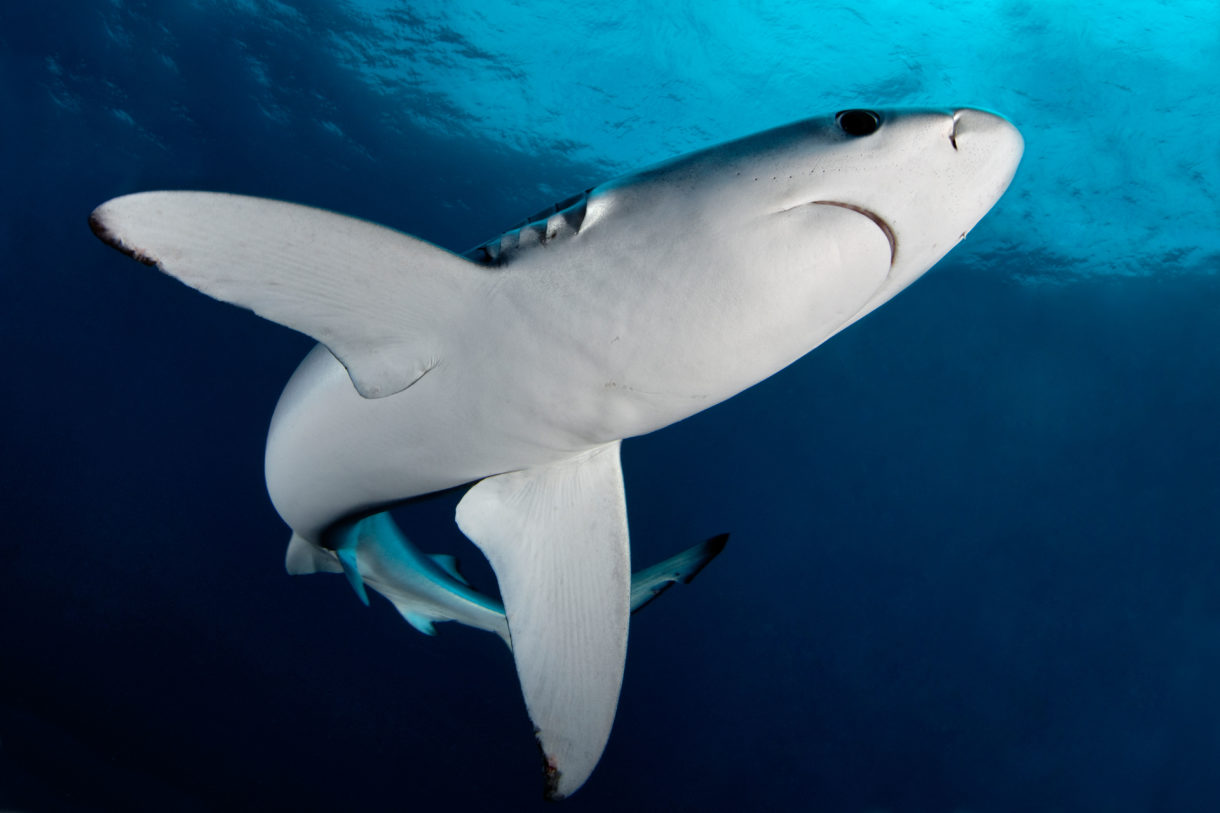
A quarter of all shark and related species are currently at risk of extinction. Alamy
Fewer than 400 North Atlantic right whales remain on our planet; fins from 73 million sharks are traded every year; warming waters render habitats increasingly unlivable for animals once at home there. Clearly, the status quo for the animals of our oceans urgently needs to change.
On World Oceans Day, we highlight some of the most urgent threats to marine life right now and what the Humane Society family of organizations is doing to address them.
Promising progress for sharks
Not only are sharks fascinating creatures, but they are also important indicators of the health of our oceans. Sadly, a quarter of all shark and related species are currently threatened with extinction, and current rates of fishing mortality are unsustainable for these slow-reproducing animals. In particular, every year, tens of millions of sharks worldwide are killed for their fins, most often for shark fin soup. The practice known as shark finning involves hacking the fins off sharks while they are still alive and then throwing them back into the sea; unable to move, they die of shock, blood loss or predation. Thankfully, shark finning is prohibited in U.S. waters, but our domestic trade in shark fins continues to fuel finning in other countries with no similar restrictions.
There is hope. The Shark Fin Sales Elimination Act, introduced as S. 1106 by Sens. Cory Booker, D-N.J., and Shelley Moore Capito, R-W.Va., would remove the U.S. from the global shark fin trade. This legislation is currently moving through the U.S. Senate as part of a larger legislative package. We urge the Senate to move quickly and the House to take up the legislation which it previously passed by an overwhelming bipartisan vote.
If enacted, the Shark Fin Sales Elimination Act would be a gamechanger for shark protection in the U.S., prohibiting the commercial trade of shark fins and products containing shark fins throughout the country. Already, 17 states and three U.S. territories have banned or limited the trade in shark fins. A federal law banning the shark fin trade would make the U.S. truly stand out as a leader in shark protection.
Helping marine mammals in U.S. waters and around the world
Each year in the U.S., thousands of sick and injured marine mammals receive care thanks to support from the John H. Prescott Marine Mammal Rescue Assistance Grant Program. From its inception in 2000 through 2017, the Prescott Grant Program provided 739 grants to regional networks that collectively responded to an average of 5,167 sick and injured marine mammals each year. The Marine Mammal Research and Response Act (S. 1289, led by Sens. Maria Cantwell, D-Wash., and Lisa Murkowski, R-Alaska, and H.R. 2848, led by Reps. Stephanie Murphy, D-Fla., Brian Mast, R-Fla., and Marilyn Strickland, D-Wash.) would reauthorize the funding program. The Senate recently passed its bill unanimously through the Senate Commerce Committee.
There are also legislative efforts to address the adverse impacts of climate change on marine mammals including the Marine Mammal Climate Change Protection Act, introduced last week by Rep. Julia Brownley, D-Calif. and the Ocean-Based Climate Solutions Act, championed by Rep. Raul Grijalva, D-Ariz., which is expected to be reintroduced this week.
Protecting the oceans requires international collaboration, which is why Humane Society International focuses on protecting marine wildlife globally, working to raise the profile of the world’s most threatened species and populations of whales, dolphins and porpoises and to ensure their future as healthy populations in clean seas. Also, the U.S. is a leading member nation of the International Whaling Commission, whose work in recent years has become increasingly crucial to conserving the world’s whales, dolphins and porpoises. We expect the U.S. to continue its strong support of the IWC and to lend its leadership to helping address the threats to these animals, including incidental capture in fishing nets, pollution, climate change and commercial whaling.
The fight to save the last North Atlantic right whales
Just a few hundred North Atlantic right whales are left. These beautiful creatures are dying out because they become entangled in the heavy lines used in lobster and crab trap fisheries or get struck in vessel collisions.
We were disappointed by the long-awaited National Oceanic and Atmospheric Administration’s biological opinion regarding the need to reduce deaths of North Atlantic right whales. Both the timeline for action and the conservation framework fall far short of what’s needed to reduce their annual death toll. We are urging decisive action immediately for this dwindling species.
How you can help
All year round, advocates throughout the Humane Society family of organizations fight to protect marine animals and strengthen the health of our ocean ecosystems. Everyone can join in this movement: Take action for marine animals by urging your Representative to pass the Shark Fin Sales Elimination Act, and help raise awareness about the threats to our oceans by spreading the word among your friends and family.
We share our planet and our ocean ecosystems with amazing creatures. It’s up to all of us ensure that these animals and their habitats prosper for generations to come.
Sara Amundson is president of the Humane Society Legislative Fund.
Bear capture case illuminates dark side of pursuing wildlife with dogs for ‘sport’
https://www.sltrib.com/news/environment/2021/06/07/bear-capture-case/
Parowan man who pleaded guilty wants his hunting privileges restored, while a dog trainer is headed to trial on felony charges.

(Utah Division of Wildlife Resources) Utah law allows hunters to pursue black bears with dogs, but a case involving a Florida dog trainer shows how this “sport” can veer off into criminality.By Brian Maffly | June 7, 2021, 5:00 a.m.| Updated: 6:26 a.m.
They chased a bear with dogs for at least 90 minutes before it collapsed from exhaustion and cowered in fear, then they put the dehydrated animal in a cage when it became unresponsive and appeared to be dying.
According to court records, William “Bo” Wood kept the bear at his hunting camp in Grand County for two days. After the bear recovered he released the animal to pursue it again, in violation of Utah hunting regulations that prohibit capturing bears and other protected wildlife.
While using dogs to pursue bears is legal and growing in popularity in Utah, the 2018 incident in the La Sal Mountains resulted in felony charges against Wood, 31, a Florida dog trainer who has been arrested for allegedly abusing bears in his home state, and his Utah companion Clifford Stubbs of Parowan.
The incident shines a light into the little-known and ethically suspect practice of pursuing wild animals for sport. Critics say such pursuits harass wildlife, which is not legal in any other context, and could endanger anyone coming upon a bear that had been traumatized by dogs.
Such concerns were front and center in this case, according to evidence presented Thursday to the Utah Wildlife Board as it weighed the fate of Stubbs’s hunting privileges.
Stubbs told the board he knew nothing of his friend’s crimes and condemned Wood’s alleged abuses. A 48-year-old concrete contractor, Stubbs did plead guilty to reduced misdemeanor wildlife violations, but asked the board to drop the three-year suspension imposed by the Division of Wildlife Resources, known as DWR. Stubbs claimed he acted to save the bear, which had collapsed beside a road near homes in a place called Willow Basin near Moab.
“The division wants to use wildlife conservation laws to punish Cliff for conserving wildlife,” his lawyer Brent Ward told the Wildlife Board. ”He had a humane interest in preserving the bear. He did not want a dead bear on his hands. There’s nothing illegal or inappropriate in wanting to keep a bear from dying. Surely that was a greater good than letting the bear die.”
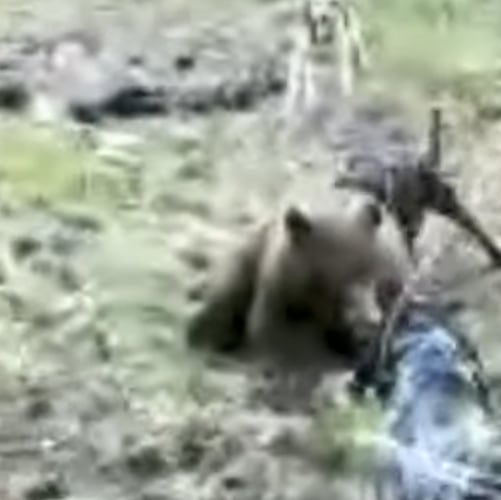
(Screen shot courtesy of Utah Division of Wildlife Resources) This video image depicts several dogs cornering a female black bear during a pursuit on May 19, 2018 in Grand County. The video was found on the phone of William “Bo” Wood, a Florida dog trainer now awaiting trial on felony charges stemming from the incident.
During the three-hour hearing, some board members agreed there were mitigating factors weighing in Stubbs’s favor, but following two hours of deliberation in 4-3 vote, the board upheld Stubbs’s suspension, which doesn’t affect Stubbs’s ability to hunt animals other than bears and cougars.
The decision pleased DWR officials.
“This type of behavior is not representative of the vast majority of people and was not only unsportsmanlike, but it is also illegal,” said Justin Shirley, DWR’s chief of law enforcement. “We always encourage people to contact DWR officials rather than take matters into their own hands. Our agency is committed to enforcing and promoting legal hunting, and this did not fit that description.”
DWR lawyer Kyle Maynard argued Stubbs knowingly violated statutes intended to protect not only wildlife, but also preserve hunting.
“Mr. Stubbs and his hunting party pursued a bear to the point of exhaustion and became concerned the bear may die, something not allowed under a bear pursuit permit. In an attempt to avoid one violation, they committed another. Mr. Stubbs and his party at this point deliberated and made a choice to pick the exhausted bear up, bring it into their possession, locking in a dog box,” Maynard told the board. “He wasn’t acting to save the bear. He was acting to save himself from what he believed was a more serious violation.”

(Screenshot via Zoom) Clifford Stubbs testifying before the Wildlife Board on June 3, 2021 in an effort to get his hunting privileges restored following his conviction in a bear pursuit gone bad.
Stubbs, who has pursued hundreds of bears in his 22 years in the sport, had never run afoul of wildlife rules before May 19, 2018, when he and Wood chased the female bear in circles. Video Wood shot at the chase’s conclusion shows the barely mobile bear under attack by nine baying dogs. The two-minute clip, which DWR attorneys showed the Wildlife Board, indicates the bear is so spent it can’t move its hind legs as it moans in fear, with the dogs barking and nipping at it. Yet no one is shown in the video trying to restrain the dogs, although Wood can be heard shooing the bear away from a tree it was trying to climb.
Stubbs said he immediately pulled his dogs away from the bear when he arrived on the scene as his companions discussed killing it. He knew that killing the bear would be illegal and would require a report to DWR.
But leaving the bear was not a good option either because the spot was near homes, he said. A curious passerby was liable to get injured if they startled the bear. So Stubbs reasoned the best option was to take the bear to camp, but on Thursday he acknowledged the better move would have been to call DWR for help.
The men put the bear into a box built for dogs, loaded it into a pickup and drove to camp and provided it with water and Gatorade.
Stubbs went home about an hour later while the caged bear was still unresponsive, he told the board. Wood led him to believe the animal recovered and was released later that day without incident. He claimed he didn’t learn of the bear’s prolonged incarceration and second chase until he was criminally charged the following year.
(Marion County Sheriff’s Office) William “Bo” Wood faces felony charges in Utah for allegedly capturing a black bear during a 2018 hunt that went bad.
The case came to light after Florida wildlife officials began investigating Wood in response to social media posts depicting what appeared to be illegal bear hunts. They seized his phone which they discovered contained images of a bear confined in a truck registered to Stubbs, according to Utah DWR conservation officers Kody Jones and Adam Wallerstein. The officers testified the phone contain 30 videos showing the Utah bear’s chase, capture and captivity—all of which will likely be used as evidence against Wood at his trial.
Bear hunting and pursuits are two distinct activities in Utah. Hunters bagged 443 bears last year, an increase from 369 bears harvested in 2019, according to DWR data.
Bear chases are the subject of a different permit system in which permits are awarded for spring, summer and fall seasons. Statewide 557 permits were awarded in 2018 and the La Sal Mountains are a popular place in Utah to chase bears.
Under Utah’s hunting regulations, bear pursuers, known as houndsmen, are not allowed to target cubs or mothers with cubs. They may use no more than 16 dogs in a single pursuit, or eight during the summer. Once a bear is treed, it must be allowed a pathway to escape and the pursuit may not be resumed. The spring pursuit season this year ran from April 3 to May 31.
Many aspects of that first pursuit were problematic, but where it crossed the line into criminality was when they put the animal in a box and held it captive, Maynard said.
Ward argued that Stubbs could not have “captured” the bear because if was so incapacitated it could not even walk. But Stubbs had participated in the underlying chase that resulted in the animal’s collapse, and whether the bear could escape was irrelevant, Maynard said.
The agency “places an emphasis on respecting wildlife we hunt. The act of hunting is a form of appreciation for wildlife and the opportunities they provide,” he told the board. “We have rules to preserve our opportunity to hunt and enjoy wildlife. This is not what bear pursuit is about and the longevity of this sport depends on upholding the legal and ethical obligations of houndsmen.”
For his criminal conviction, Stubbs was given a one-year suspended jail sentence, paid $1,500 fine and performed 52 hours of community service.
Wood, meanwhile, faces serious legal jeopardy in Florida, where authorities have seized his dogs and filed charges of racketeering, animal abuse and wildlife violations stemming from a series of illegal bear hunts, some of which Wood allegedly celebrated on social media with video posts showing dogs assaulting prone bears.
Wood is free on bail awaiting trial in Florida, then later in Moab’s 7th District Court.
Standing room only…


The pig whisperer: the Dutch farmer who wants to end factory farming

A unique ‘pig toilet’ and a diet of organic leftovers are part of former vet Kees Scheepens’ plans to put animal welfare and sustainability first
Animals farmed is supported by

About this contentSenay BoztasMon 7 Jun 2021 01.30 EDT
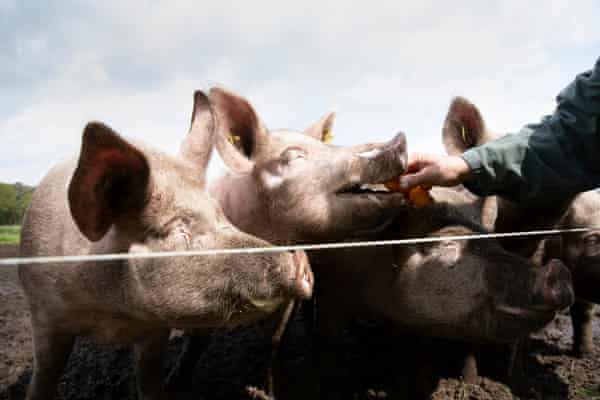
“Oma, hoi! Hier! Hallooo,” Dr Kees Scheepens, a Dutch farmer known as the “pig whisperer”, is calling his two oldest pigs for some apricot snacks.
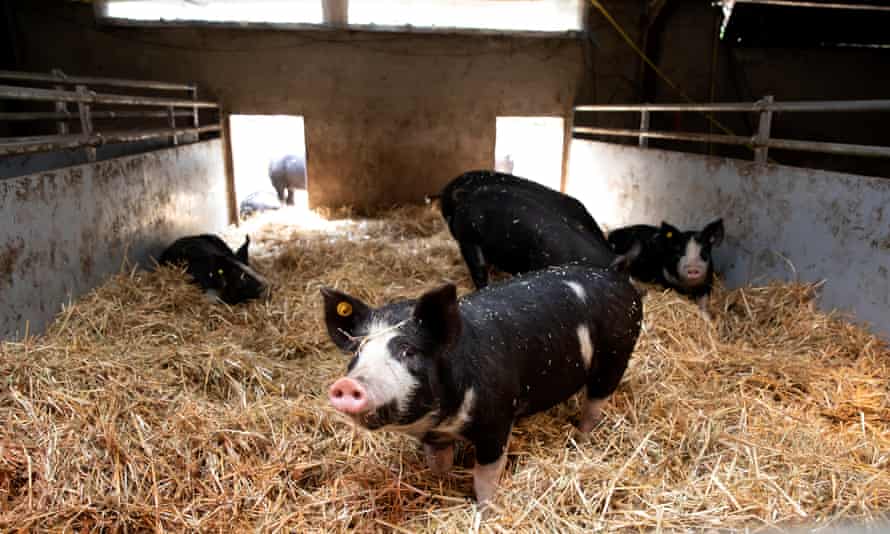
Oma or “granny”, a seven-year-old sow, lives with a Berkshire boar called Borough, who’s nine, off a quiet lane in the town of Oirschot, in the south of the Netherlands, on a farm called Hemelrijken – Dutch for “the realms of heaven”.
Scheepens, 61, says he is the 19th generation of farmers in his family, and that after years practising as a vet, he is driven by an unusual set of ambitions: “emancipating” farm animals, putting animal welfare first, and eating far less, far happier meat.

“Borough and Oma are here to stay,” he says, squelching to his farthest field, where the two 400kg-plus animals squeeze into their shed. “I’ve given them a name and when you give a name to a pig, I cannot butcher it any more. I had three boars, David, Att and Borough. David and Att are already in heaven but ‘Bro’ is still here.”Advertisement


Climate crisis to shrink G7economies twice as much asCovid‑19, says researchhttps://imasdk.googleapis.com/js/core/bridge3.463.0_en.html#goog_887211358https://imasdk.googleapis.com/js/core/bridge3.463.0_en.html#goog_223764651https://imasdk.googleapis.com/js/core/bridge3.463.0_en.html#goog_1184734078
As he walks around feeding and talking a little French to his 28 sows (according to Scheepens, “neuf”, is their grunt of confirmation, and “huit, huit” is them asking for more) the place seems idyllic. The pigs are fed on produce being thrown away by organic supermarket Ekoplaza: boxes of white cabbages, slightly wilted beans, veggie-balls, 500kg of Canadian lentils, overripe mangoes from Burkina Faso, hundreds of tubs of peach mango soy yoghurt, and boxes of apricots. A couple of cats and dogs wander around. Meanwhile, in a forested nature reserve area, 45 Angus cows have just calved.
Scheepens primarily raises a breed he calls the “Duke of Berkshire”, a cross of the hairy Berkshire pig and white sow, named with a nod to his years working in England. Although he raises them for meat, he is passionate about animal welfare. “Am I rich in money? No, but I’m primarily motivated by emancipating farm animals.”
He started his pig project almost a decade ago, aiming to help bring open-air farming back to the muddy Netherlands, and pioneer a new type of barn farming.

“Factory farming of pigs in the Netherlands is a dead end,” he says. “We now know that a pig is not a thing: it is a sentient being with a high level of intelligence, comparable with the intelligence of a child. What I see worldwide is that many pig farmers don’t know any more what pigs are about. They just don’t have the skills to know what’s right and what’s wrong.”
What’s wrong, he believes, is factory farming where cannibalistic “vices” such as tail biting replace normal pig behaviour such as rooting around for food. This leads to widespread “tail docking” in many parts of Europe to stop animals eating each other’s tails, even though the practice is banned.
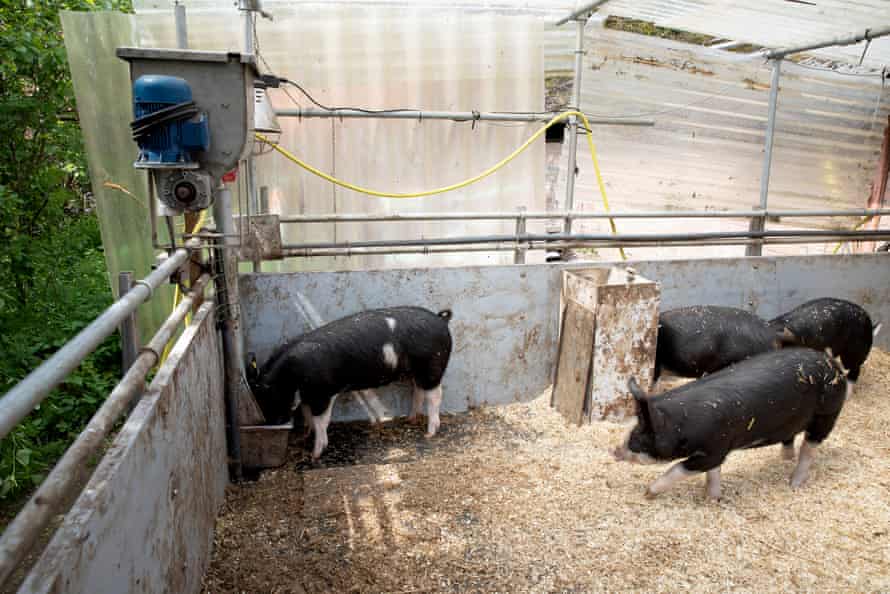
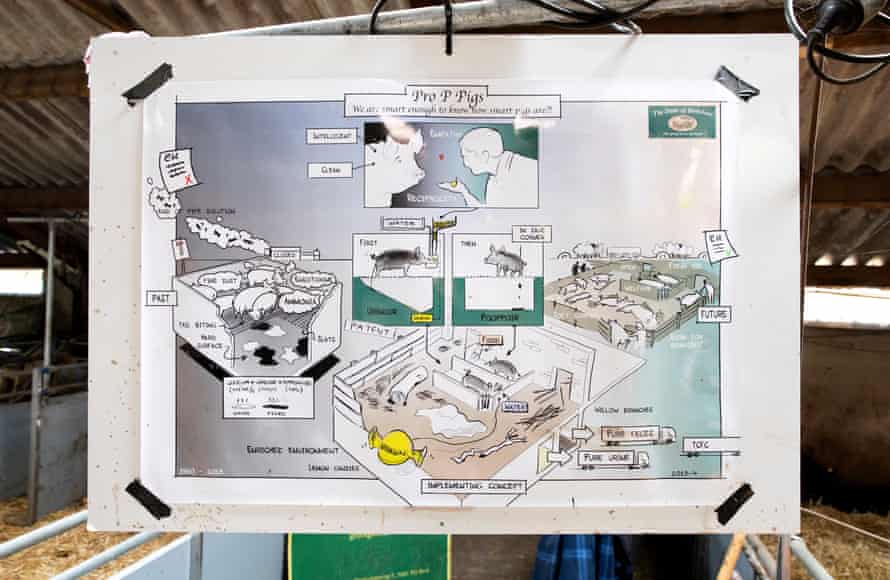
Instead, Scheepens argues, pigs need a more natural environment, to be able to root around in beds of straw or wood chips and have outdoor access, with a special toilet replacing slatted floors (where urine and faeces fall through and mix).
“I would say pigs are the most hygienic animals we have on the farm,” he says. “They will not poo or pee in their nest. Pooing always goes well: their noses are so sensitive, they recognise the smell.”
Meat has become a throwaway product, where the true value is not seen any more
Kees Scheepens
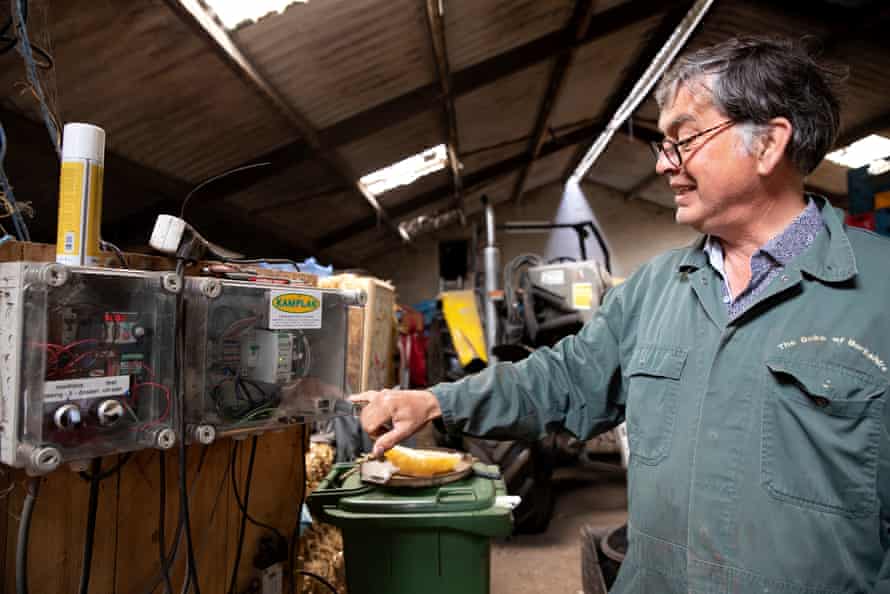
To encourage them to urinate separately, he has created a reward system: a machine delivering lemon sour candies when their urine goes through a special floor membrane in an outside “toilet” area.
Why is peeing important for sustainable farming? “When I reward them for correct urinating, there will not be the contact between a nitrogen compound found in urine and an enzyme in the manure: that creates ammonia, and that’s one of the main factors in the [excess] nitrogen discussions [taking place] in the Netherlands.”

Advertisementhttps://ed4e90b076baf41ba58d4eca9ad19ac9.safeframe.googlesyndication.com/safeframe/1-0-38/html/container.html
Scheepens believes animal cruelty at abattoirs and intensive farms cannot last; his own turning point came after the swine flu epidemic of 1997–98, when he was forced to euthanise about 10,000 newborn piglets.
“At the time I just did my job. But later on, I developed very serious epileptic seizures. I said to myself: ‘You have euthanised healthy pigs. As a vet you are trained to cure animals that are sick or to keep animals healthy, not to butcher piglets.’”
Returning from a period working in England, during which he was diagnosed with epilepsy, he decided he wanted to be a farmer like his forebears. “I think when you want to work with animals and have them play a role in agriculture, it has to be sustainable,” he says.

“Meat has become a throwaway product, where the true value is not seen any more. Wouldn’t it be nice if farmers were offered an income with the same farm and half of the animals? Sustainability can only be there in my perception when you take care of animal welfare first.”

The Netherlands is a densely populated country, and the land is often poorly drained. So as well as outdoor farming, Scheepens wants to revolutionise animal barns so smells and emissions are reduced, and pigs can laze, eat, root and wallow as nature intended.

Advertisement
“The last three to four generations have started using fertilisers, pesticides and going from big, bigger to biggest,” he says. “That was the societal trend in agriculture, but I think we have to become smartest. I don’t want to have a grandchild saying to me: ‘you broke that tradition of farming because you destroyed the Earth.’”
He thinks there’s no need for pig farming to stink: “I always say to farmers, you can just ignore what we gained in knowledge on animal welfare because your barn needs to be paid off. But the mental and emotional reasons to change are huge. In every farmer, there’s also a heart.”
Sign up for the Animals farmed monthly update to get a roundup of the best farming and food stories across the world and keep up with our investigations. You can send us your stories and thoughts at animalsfarmed@theguardian.com
Frozen in Siberian Permafrost for 24,000 Years, Microscopic Animal Comes Back to Life
https://gizmodo.com/frozen-in-siberian-permafrost-for-24-000-years-microsc-1847045211
George DvorskyToday 11:00AM331Alerts

A lone rotifer has awakened after spending the past 24,000 years in frozen hibernation. Scientists hope that further studies of this multicellular animal may lead to better ways of cryopreserving human cells, tissues, and organs.
Rotifers are worm-like aquatic animals that prefer freshwater environments and moist soil. These complex organisms aren’t as charismatic astardigrades, another microscopic animal, but they’re likewise known for their extreme survival skills, as they’re capable of withstanding dehydration, freezing temperatures, starvation, and low oxygen levels. By reviving a 24,000-year-old rotifer found in Siberian permafrost, scientists have demonstrated that these creatures are even tougher than previously thought. The newfindingswere published today in Current Biology.
“Our report is the hardest proof as of today that multicellular animals could withstand tens of thousands of years in cryptobiosis, the state of almost completely arrested metabolism,” said…
View original post 612 more words
Letter: Mountain lion hunt bad idea
Committee to Abolish Sport Hunting Blog
- Jun 5, 2021
- 3
HURRY! $1* for 6mos. ends June 13th!

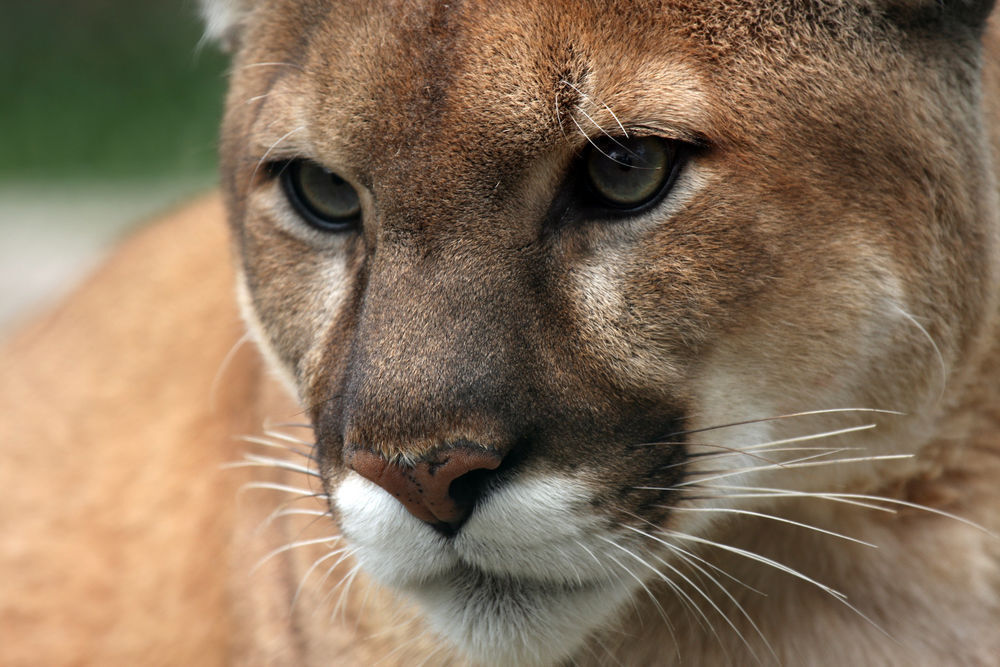
Only around 22 independent-age mountain lions live in northwestern Nebraska, the smallest population of lions in the country. Yet Nebraska Game and Parks is proposing a trophy hunting season on them in 2022, and the Nebraska Game and Parks Commission is set to vote on this egregious proposal June 11.
The decision to allow the trophy hunting of mountain lions is based on an archaic, disproved notion that killing them will prevent conflicts with livestock, game species and humans. The fact is our wild spaces and other wildlife benefit from having mountain lions in Nebraska.
Research shows that the trophy hunting of mountain lions can lead to increased conflicts with humans, pets and livestock. All carnivores combined…
View original post 129 more words
Michigan confirms first known human case of hantavirus
https://www.fox2detroit.com/news/michigan-confirms-first-known-human-case-of-hantavirus
ByFOX 2 StaffPublished4 hours agoUpdated10 mins agoHealthFOX 2 Detroit
javascript:false
The COVID-19 vaccine and mask questions are coming as we go back to work
As we re-enter the world, the conversation over a mask or a vaccine may be a hot topic in your office. And yes, your employer can ask you about yoru vaccine status.
SOUTHFIELD, Mich. (FOX 2)-The state ofMichigansays it has confirmed the first case of hantavirus, a disease passed from rodents to humans, in a woman who was cleaning a vacant home in Washtenaw County.
According to the Michigan Department ofHealthand Human Services (MDHHS), the state’s first confirmed human case of Sin Nombre hantavirus was detected in the state. The MDHHS said the woman who tested positive was likely exposed when she was cleaning an unoccupied dwelling that had…
View original post 714 more words
Idaho Fish and Game proposes extending wolf hunting, trapping
Committee to Abolish Sport Hunting Blog
The deadline for the public to submit their comments to the agency is June 13.


Credit: LeFion/ThinkStockWolvesAuthor:KTVB StaffPublished:8:30 PM MDT June 6, 2021Updated:8:30 PM MDT June 6, 2021
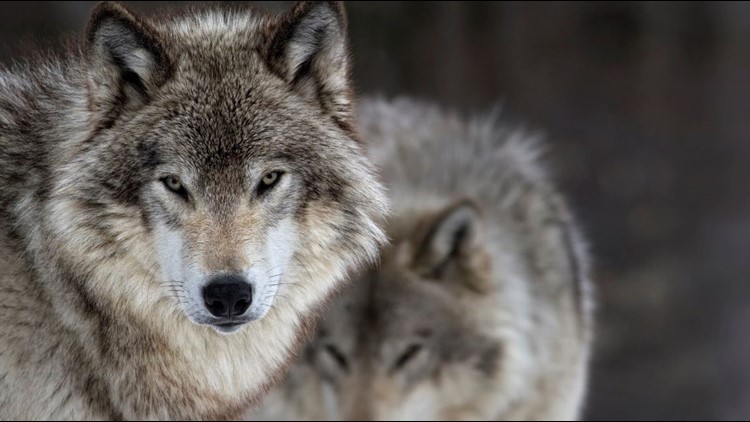
BOISE, Idaho — The Idaho Department of Fish and Game wants to hear from the public on a proposal to extend wolf hunting and trapping opportunities and enhanced methods of take. The proposed changes relate to a new state law that takes effect July 1.
Senate Bill 1211recently won approval from the Idaho Legislature and wassigned into lawby Gov. Brad Little. It extends wolf hunting and trapping with foothold traps to year-round on private property with landowner permission.
The law also expands the legal methods of take for wolves to include:
- Weapon restrictions (for hunting big game) do not apply
- Exemption from shooting hours
- Hunting wolves over bait is allowed on private land
- Motorized vehicle restriction for hunting…
View original post 231 more words
Interview Revisited: It’s the End of the World as We Know It
Mass Extinction:
BYDahr Jamail, Truthout PUBLISHEDJuly 6, 2015SHAREShare via FacebookShare via TwitterShare via Email
(Image:Death valley,ghostly visagevia Shutterstock; Edited: JR/TO)
Guy McPherson is a professor emeritus of evolutionary biology, natural resources and ecology at the University of Arizona, and has been a climate change expert for 30 years. He has also become a controversial figure, due to the fact that he does not shy away from talking about the possibility of near-term human extinction.
To see more stories like this, visit “Planet or Profit?”
Never miss another story
Get the news you want, delivered to your inbox every day.
While McPherson’s perspective might sound like the stuff of science fiction, there is historical precedent for his predictions. Fifty-five million years ago, a 5-degree Celsius rise…
View original post 1,898 more words
Now that the heinous legislation