Authorities in the southern African country estimate that the number of its mammoth mammals currently stands at slightly more than 100,000 – up from 84,000 in 2014, when the last census was conducted – for a carrying capacity of about 45,000.https://www.dianomi.com/smartads.epl?id=3533
The surplus has prompted the government in recent weeks to mull the mass killing of elephants – something the country last did in 1988 – as a population-control option in order to protect other wildlife, as well as the country’s vegetation.
“We are overpopulated when it comes to elephants in this country,” Tinashe Farawo, spokesman of the Zimbabwe Parks and Wildlife Authority (ZimParks) told Al Jazeera.
Authorities maintain the growing elephant population poses a risk to other animals by causing habitat destruction, and has also led to an increase in the instances of dangerous human-wildlife interaction, with dozens of deaths reported in recent years.
“We have vultures that breed in trees. The vultures are no longer breeding in Hwange (National Park); they have moved to other places because elephants have the habit of knocking down trees,” Farawo said.
He noted that the plan is still in its “formative stages” and a final decision has yet to be made, but stressed that culling is permitted by Zimbabwe laws.
But the Centre for Natural Resource Governance (CNRG), an environmental and human rights watchdog in Zimbabwe documenting poaching, opposed the plan.
“Culling will eventually lead to extinction of these elephants,” spokesperson Simiso Mlevu told Al Jazeera.
“This is just the beginning,” he said. “Very soon we will be forced to travel to other countries just to see an elephant.”
Earlier this year, the International Union for Conservation of Nature (IUCN) listed the African forest elephant as “critically endangered” and the African savanna elephant as “endangered”, citing a surge in poaching and loss of habitat for the declining numbers.
According to the Swiss-based group’s latest assessments, the number of African forest elephants dropped by more than 86 percent over a period of 31 years. Meanwhile, the population of African savanna elephants fell by at least 60 percent over the past half a century.
Zimbabwe has the continent’s second-largest elephant population after Botswana, which boasts about a third of Africa’s 415,000 remaining elephants.
Other options
Besides culling, another option considered by Zimbabwean authorities is to move elephants from areas with a high population. But both are hampered by lack of funds, Farawo said.
“It’s an expensive process and right now we have no money,” he added. “In 2018, we moved 100 elephants and the exercise cost us $400,000.”
Farawo said ZimParks, a government body, requires at least $25m annually for its operations. But the body has not received any funding from Zimbabwe’s cash-strapped government since 2001.
Farawo said his organisation needed revenue to conserve elephants but its finances took a big hit in 2020 as the coronavirus pandemic severely affected the country’s tourism industry.
In late April, Zimbabwe said it was planning to sell hunting licenses to kill 500 elephants to generate revenue. Trophy hunters are expected to pay between $10,000 and $70,000 depending on elephant size.
The 500-elephant hunting quota, which is separate from the culling plan, is allowed by the Convention on International Trade in Endangered Species of Wild Fauna and Flora (CITES), according to Farawo, who said that “elephants must pay for their upkeep”.
“The elephants also have to take care of themselves, so we must be allowed to trade in order for that to happen,” Farawo said.
“[This] means that money must be generated, revenue coming off the elephants. Right now, tourism is dead, so people aren’t coming to see the elephants.”
But Mlevu, of CNRG, said that culling would affect tourism – a position echoed by John Robertson, a prominent Zimbabwean economist.
“It inflicts serious damage on wildlife,” Robertson told Al Jazeera. “Losing wildlife also reduces the prospects of tourism, which the country heavily relies on.”
Audrey Delsink, wildlife director of Humane Society International/Africa, said killing elephants has “a traumatic effect on the remaining population”. She said it is for that reason that authorities in South Africa are using contraception as a population-control option.
Noting that 76 percent of elephant populations in Africa cross borders, Delsink told Al Jazeera: “Management actions taken at an incorrect scale can have massive consequences and ripple effects that extend far beyond the targeted zone, area or population.
“Therefore, Zimbabwean management choices could have devastating consequences for transient elephants. The situation in Zimbabwe appears to be not so much about elephant numbers per se, but rather about funding the management authority – the elephants are simply a means to this end.”
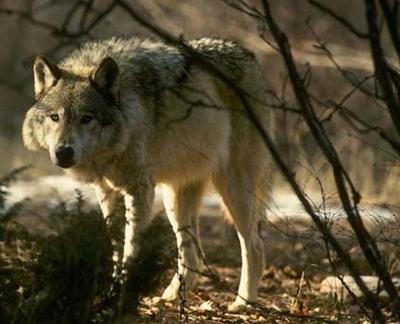
BOISE – The Idaho Fish and Game is seeking public feedback on a proposal to extend wolf hunting and trapping opportunities and enhanced methods of take. The proposed changes relate to Idaho legislative action that will take effect July 1, 2021.
Senate Bill 1211 recently passed into law and extends wolf hunting and trapping with foothold traps to year-round on private property with landowner permission. The law also expands the legal methods of take for wolves to include methods currently legal in Idaho for taking other wild canines, such as coyotes and foxes, but closed for taking other big game species.
While the recent law establishes a year-round foothold trapping season for wolves on private land and provides the ability to allow expanded methods of take, the expectation of the Legislature was for the Fish and Game Commission to set seasons for snaring and expanded methods of take through proclamation.
Fish and Game proposes no change to the wolf snaring seasons currently in place on public and private land, and it also proposes no change to the foothold trapping seasons on public land.
The proposal allows expanded methods of take on private land year-round, provided landowner permission. The proposal also allows expanded methods of take for hunting on public land from Nov. 15 through March 31 in areas with a history of chronic livestock depredation, or where elk herds are below management objectives, including units 4, 4A, 6, 7, 9, 10, 10A, 12, 14, 15, 16, 16A, 17, 18, 19, 20, 20A, 22, 23, 24, 26, 27, 28, 29, 31, 32, 32A, 33, 34, 35, 36, 36A, 36B, 37, 39, 43, 44, 49, 50,62, 64, 65, 67.
Wolf hunting and methods of take would remain unchanged from currently established seasons on public land between April 1 through Nov. 14 in those same units. Wolf hunting seasons and methods of take on public land in all other units (those without a history of chronic livestock depredation or that are currently meeting biological management objectives for elk) will also remain unchanged.
Authorities are looking for information to help solve the case, which could bring a $100,000 fine or 1 year in jail
Sea otters are photographed at Elkhorn Slough in Moss Landing, Calif., on Thursday, July 23, 2020. The protected slough is a 7-mile long tidal salt marsh offering visitors a view of birds, sea otters, and sea lions. (Doug Duran/Bay Area News Group)
An endangered California sea otter has been found dead in an illegal fishing trap, prompting an investigation by state and federal wildlife authorities.
The southern sea otter, a male, was discovered by a beachgoer on Zmudowski State Beach near Moss Landing in northern Monterey County on April 18.
Investigators from the U.S. Fish and Wildlife Service and California Department of Fish and Wildlife say the nylon mesh trap — which was used to catch bait fish or crayfish — appears to have washed up on the beach with the dead otter in it. It might originally have been placed somewhere else, they added.
“You commonly see traps like this in rivers and lakes,” said Lt. Brian Bailie, with the California Department of Fish and Wildlife. “People use them to catch crayfish. You don’t see them oceanside ever. They aren’t legal to use in the ocean.”
The U.S. Fish and Wildlife Service Forensics Laboratory is conducting a thorough investigation of the dead animal, which was a juvenile, or sub-adult. Southern sea otters are protected as a threatened species under the federal Endangered Species Act. It is illegal to harm or kill them under that law, and also under the 1972 Marine Mammal Protection Act. Otters also protected by California state law.
The penalty for killing a sea otter is up to a $100,000 fine under the Endangered Species Act and the Marine Mammal Protection Act and up to 1 year in jail.
“This is extremely serious,” said Rebecca Roca, an agent with the U.S. Fish and Wildlife Service office in Sacramento. “Sea otters are beloved along the coast. It’s devastating when we find something like this. We are asking the public for any help they can give.”
Anyone with information about the incident is asked to contact the California Department of Fish and Wildlife at the CalTIP line at 1-888-334-2258 (callers may remain anonymous) or the U.S. Fish and Wildlife Service at 916-569-8444.
“Stuck in something like that, there was nothing it could do,” he said. “Otters have sharp teeth but I don’t think they are sharp enough to chew through nylon that tough. It’s really unfortunate. We need to find if these things are being used in other places. We don’t want to see this happen again.”
Sea otters play an important role along California’s coast. They eat sea urchins, for example, which otherwise can overpopulate the sea floor and consume kelp forests that provide food and shelter for fish and other ocean animals.
Historically there were about 16,000 sea otters from the Oregon-California border to Baja, Mexico. But they were hunted relentlessly in the late 1700s and early 1800s by Russian, British and American fur traders for their pelts, which are denser and softer than mink fur.
They were feared extinct until the 1930s, when about 50 were discovered in remote Big Sur coves. Protected by the Endangered Species Act in 1977, they began a slow comeback, and today their population is estimated at about 3,000. Over the last decade, however, the growth has stalled, in part because they have been unable to expand their range from the Monterey Bay area north up the San Mateo County coast due to an increasing number of attacks by great white sharks.
Federal laws have protected elephant seals, sea lions and other marine mammals that the sharks eat, growing their numbers. Scientists are studying possible proposals to one day move some otters inside San Francisco Bay to Tomales Bay in Marin County or other points north to help the population spread back across its historic range in Northern California.
Hunters make up less than 7 percent of our citizenry, yet their voices are heard above all othersPreston Moore
Jun. 4, 2021 4:00 pmA black bear ambles through a cornfield in 2016 near the Yellow River State Forest in Northeast Iowa. Chances are the bear was passing through from its home in a neighboring state. According to the Iowa Department of Natural Resources, the state does not have a reproducing population of black bears. But black bear sightings are growing more common in Iowa. (Photo supplied by Brian Gibbs)
Iowa’s natural resources — its lands and our wildlife — belong to all of us as Iowans. Unfortunately, it’s only the voices pushing for consumptive uses that Iowa’s Department of Natural Resources and Natural Resource Commission pay any attention to.
Hunters make up less than 7 percent of our citizenry, yet their voices are heard above all others…
Dr. Anthony Fauci, director of the National Institute of Allergy and Infectious Diseases, listens as he speaks with reporters in the James Brady Press Briefing Room at the White House, Thursday, Jan. 21, 2021, in Washington. (AP Photo/Alex Brandon)
Dr. Anthony Fauci and members of the Biden administration are asking China to release medical records of lab workers and miners who fell ill prior to the coronavirus outbreak, as they may provide clues about the origins of the virus, according to reports.
“I have always felt that the overwhelming likelihood — given the experience we have had with SARS, MERS, Ebola, HIV, bird flu, the swine flu pandemic of…
Motif FoodWorks, a food technology startup in Boston, says it’s developing plant-based cheese that stretches and melts like the real thing.
Two years ago, Beyond Meat became the first plant-based food startup to go public.Its shares surged 163 percent on its first day and today it’s valued at $9 billion, with shares now worth about five times their original value.
Since then, analysts have wondered which major plant-based food company would go public next.Late last month, they found out: Oatly, the Swedish maker of oat-based milk, yogurt, and ice cream.
Oatly’s stockdidn’t quite skyrocket like Beyond’s, but by the end of the company’s first day of trading, it was valued at about $12 billion. Now, Oatly is valued at $14 billion, over 50 percent more than Beyond’s valuation of $9 billion. Though Beyond and other high-tech vegan meat producers get much more attention than companies that make plant-based milks, Oatly’s valuation says a lot about the state of the plant-based food industry — namely, that plant-based milk has reached a point of maturation in the market that’s even more advanced than plant-based meat.
Twice a week, we’ll send you a roundup of the best ideas and solutions for tackling the world’s biggest challenges — and how to get better at doing good. Sign up here.
According to a report recently published by the Plant-Based Foods Association and the Good Food Institute, two organizations that advocate for plant-based foods, plant-based milk alone accounts for 35 percent of the total plant-based foods market, worth $2.5 billion to plant-based meat’s $1.4 billion. Plant-based milks don’t just dominate the plant-based food sector, they also take up a sizable portion of retail milk sales — 15 percent overall, and 45 percentin natural food stores.
Plant-based milk is the largest segment of the overall plant-based food industry.
Oatly’s sudden rise since it came on the US market in 2016 has helped drive this growth. Almond milk sits at the top of the plant-based milk category, but oat milk recently pushed soy milk out of second place, thanks to Oatly and big brands like Silk (owned by Danone) and Chobani following Oatly’s lead with a range of oat-based dairy products.
In fact, Starbucks, which started using Oatly products last year in select US stores and rolled it out nationwide earlier this year, says its share of orders that use plant-based milk jumped from 17 to 25 percent after it introduced Oatly.
These shifts from traditional to plant-based dairy are important in the fight against climate change, as traditional dairy is an especially resource-intensive sector. According to a 2018 University of Oxford study, any way you slice it, cow’s milk uses much more land and water and emits far more greenhouse gases than any plant-based milk. For example, almond milk gets a bad rap for being water-intensive, but cow’s milk requires about 70 percent more water to produce, emits more than twice as much Co2, and requires more than 15 times as much land. Compared to almond milk, oat milk uses much less water but a little more land.
On top of the environmental impact of traditional dairy, most dairy cows, at least in the US, are raised in factory farms.
Yet despite the popularity of plant-based milks, they haven’t quite made a dent in taking the cow out of dairy, their raison d’être. Some farmers do say plant-based milk is affecting their bottom line, and a late 2020 report that was funded by the United States Department of Agriculture found that “increased sales of plant-based alternatives are negatively affecting households’ purchases of cow’s milk” but that it’s “not a primary driver.”
There are a lot of factors that affect dairy production and consumption, and adoption of alternatives is just one of them. But in order for plant-based startups to become a primary driver in displacing conventional dairy, stealing market share fromthe milk shelves of the supermarket isn’t enough. Oatly and its competitors need to figure out how to make a great alternative for another dairy product: cheese.
Milk sales are plummeting, but there are more cows than ever
Many dairy farmers are indeed hurting, but plant-based milks aren’t the biggest culprit — it’s Big Dairy, which has been consolidating and squeezing out small farmers, one of several factors that caused 11,000 dairy farms to shutter between 2014 and 2019. The pandemic only hastened this trend, as major dairy customers — schools and restaurants — closed down, resulting in farmers across the country dumping millions of gallons of milk. Seven percent of US dairies closed in 2020.
This can be explained, in part, by Americans’ love for cheese; per capita cheese consumption has risen 25 percent since the early 2000s, which is one factor that has kept milk production high, since it takes nearly 10 pounds of milk to make one pound of cheese. (Butter consumption is rising even faster, and it takes more than 21 pounds of milk to make one pound of butter.)
There are plant-based cheese alternatives on the market, and they generally fall into two categories. The first are the pricey, fermented wheels or tubs of spreadable cheese, often made of nuts, seasonings, and cultures (and sometimes oils, gums, and starches),which have managed to impress the taste buds of omnivorous food critics. Bigger brands like Miyoko’s Creamery, Kite Hill, and Treeline Cheese dominate this first category, but there are dozens of smaller, artisanal outfits like the Herbivorous Butcher in Minneapolis and Rebel Cheese in Austin.
The second category consists of the bags of shredded or sliced mozzarella or cheddar, often made with oil and potato starch or cornstarch, which don’t melt and stretch (or taste) the way cheese from cow’s milk does. The problem is best summed up by the joke about how a vegan’s house burned down and the only thing that didn’t melt was their cheese.
But Americans eat a lot of shredded and sliced cheese, and the vegan versions haven’t improved much since I last heard that joke some years ago (though if you’re curious, I suggest giving Violife, Field Roast, and Follow Your Heart products a try). And even though the plant-based food industry has grown rapidly in the past few years, its startups loaded with billions in investment, no company has come close to making a “breakthrough” shredded or sliced cheese product akin to the Beyond or Impossible burger — or a carton of Oatly — that can bring in curious omnivores.
Not yet, anyway.
The future of animal-free cheese
The absence of great shredded and sliced plant-based cheese could be a problem of demand or innovation, or both.
Meat gets much more attention for its ecological and animal welfare harms than cheese, to the point where nearly a quarter of Americans say they are trying to cut back. But you don’t hear much about people trying to reduce their cheese intake, even though globally, the dairy sector emits more greenhouse gases than all meat sectors (except beef), and most dairy cows, at least in the US, are factory-farmed.
On the innovation side, it’s simply much harder to replicate stretchy, melty cheese made from cow’s milk than the soft, spreadable varieties.
“Achieving the stretchy quality and texture consumers expect from harder cheeses upon melting has proven challenging to date, which is why soft plant-based cheese may be more prominent,” Dr. Priera Panescu, a senior scientist at the Good Food Institute, told me over email.
Ryan Pandya, the CEO and co-founder of Perfect Day — a food technology startup based in Berkeley, California — shared a similar sentiment with Wired, explaining, “The melty, stretchy thing is absolutely the most challenging holy grail thing to do. Because there’s only one protein known to man that does this, and it’s casein.”
Through precision fermentation, which is used to make specific proteins, enzymes, or vitamins, Perfect Day has developed a microflora (fungi) that converts sugar into whey, another protein in milk, for its ice cream products. The company says it’s also working on cheese but doesn’t have plans for the shredded or sliced varieties in the near future.
Real Vegan Cheese, a nonprofit, open-science research project — quite rare in a field of venture capital-backed startups — is going for the “holy grail” of cheese by adding the genes for casein to yeast and other microflora, and then adding plant-based fats and sugars. New Culture, based in San Francisco, is also working to replicate casein, using microbial fermentation, similar to Perfect Day’s approach, to make shredded cheese. The company plans to launch its first product in late 2023.
When asked about the lack of stretchy plant-based cheese, Panescu said that “academic researchers are working to address these challenges by using biological interventions, optimizing more flexible, well-assembled plant-based proteins, and applying mechanical texturization processes.”
One of those researchers is Alejandro Marangoni at the University of Guelph in Ontario, Canada. According to Marangoni’s research, zein — a protein found in corn — is an overlooked tool in the search to make plant-based alternatives to animal products. Most companies making shredded and sliced plant-based cheese use starches and gums for the melt and stretch effects, but zein could be a better route. When hydrated and heated above a certain temperature, it forms a “flexible, bendable mass which may be pulled, stretched, and sculpted,” sharing “melting characteristics with cheddar cheese.”
Motif FoodWorks, a food tech startup based in Boston that has received investment from the major dairy company Fonterra, recently signed an exclusive licensing deal to use a unique food processing technology Marangoni developed using zein.
Motif’s CEO, Jonathan McIntyre, told me their newly acquired tech will enable them to make a stretchy, gooey vegan cheese that’s better than what’s currently on the market. “This technology doesn’t solve all problems in plant-based cheese,” he said, and that “there are other aspects, like mouthfeel and creaminess” that they’re using other tools to address.
McIntyre isn’t yet sure whether Motif will develop its own products, work with a dairy company to make a plant-based product, or partner with an existing plant-based cheese company to upgrade its own, but he does envision it being used on nachos and, of course, pizza. You can see it in action below or here.
Given all the hype around plant-based food, it may come as no surprise that there are dozens more startups racing to make convincing cheese alternatives — but Impossible Foods isn’t one of them. While it is developing Impossible Milk, a spokesperson told me the company won’t be selling Impossible Cheese anytime soon.
Then there’s Oatly, which recently told Bloomberg it’s making “good progress” on developing oat-based cheese products, though its CEO didn’t specify what kinds. Given the $1.4 billion the company raised from last month’s IPO, it seems like it should have the resources to raise the bar on plant-based cheese, and a devoted customer base who will likely be curious enough to give it a try.
Investigation finds thousands of illegal animal parts and products at markets across five countries.
Pangolin scales for sale in a market in Mong La in Myanmar [Courtesy of Chris R Shepherd/TRAFFIC]
4 Jun 2021
A new study by TRAFFIC, a group that monitors the illegal trade in wildlife, has found thousands of animal parts and products – from pangolin scales to ivory and bear bile – for sale in five countries in mainland Southeast Asia, underlining the region’s struggle to address wildlife crime and the need to intensify anti-trafficking efforts.
Author of the article:Rob GowanPublishing date:Jun 03, 2021 • 1 day ago • 4 minute read • Join the conversation
A black bear that made its way into Owen Sound in May 2015. PHOTO BY SUN TIMES FILES
Article content
Georgian Bluffs is informing its residents about bears after sightings of the animals in the municipality this spring.
The municipality intends to post some information on its website about what people should do when encountering the animals and how to prevent bear encounters. The move comes after the animals were spotted in the municipality in recent days, particularly in the northern areas around Lake Charles, Kemble, Big Bay and beyond.18 best online deals in the Canadian retail space right now about:blankhttps://c5x8i7c7.ssl.hwcdn.net/vplayer-parallel/20210408_1900/videojs/show.html?controls=1&loop=30&autoplay=0&tracker=dd232393-332c-4f91-a9f7-ab0b8af74069&height=300&width=529&vurl=%2F%2Fa.jsrdn.com%2Fvideos%2Fcdgv_nationalpost%2F20210604054241_60b9bb8242865%2Fcdgv_nationalpost_trending_articles_20210604054241_60b9bb8242865_new.mp4&poster=%2F%2Fa.jsrdn.com%2Fvideos%2Fcdgv_nationalpost%2F20210604054241_60b9bb8242865%2Fcdgv_nationalpost_trending_articles_20210604054241_60b9bb8242865_new.jpg
Clerk Brittany Drury said during Wednesday’s council meeting that staff had reached out to the Ministry of Natural Resources and Forestry about best practices pertaining to bear sightings. They have received some messaging that will be posted on the municipality’s website.
“We see this regularly every spring so we try to do a spring reminders commentary section on our website,” Drury said, adding they hope to have the information posted this week.
Advertisement
STORY CONTINUES BELOW
Article content
Among the steps people are reminded to take are storing garbage in a bear-proof location until it is time for pickup, cleaning barbecues and grease traps, putting away bird feeders until winter months and keeping pet food indoors.
Mayor Dwight Burley reminded residents in rural areas to place their garbage out or in the bin at the end of their laneway on the day of pickup only.
“A bear tends to want to go where the foodsource is and if there is garbage sitting in their bins for quite a while it will probably attract them,” said Burley.
Council discussed the possibility of signs informing residents of numbers they could call to report bear sightings and damage or in the event of an emergency.
It was suggested that the municipality could include information on its digital signs at its municipal office in Springmount and at the Shallow Lake Community Centre.
On Monday, a bear was also spotted on Owen Sound’s west side. The animal was not acting aggressively and was last seen wandering into the bush area of the escarpment.
The public is reminded that should they see a bear they should not approach it or feed it. Remain calm as the bear is often just passing through and will move on if no food source is found. Pets should be kept inside if a bear is spotted and if personal safety is at risk, 911 should be called.
If a bear slowly approaches, a person is advised to slowly back away, watching the bear. Do not turn and run – make noise, throw rocks or sticks and make yourself appear as big as possible.
Advertisement
STORY CONTINUES BELOW
Article content
The MNR says bear attacks are rare, however if a bear does attack do not play dead unless you are sure it is a mother bear attacking you in defence of its cubs. Fighting back is the best chance of discouraging a bear from continuing to attack, so use a large stick, a rock, or anything else that you can to deter the bear.
If a bear is wandering around checking garbage or knocking down bird feeders, the public should call the administration line of their local police department or the Bear Wise reporting line at 1-866-514-2327.
More information on what to do if a black bear is encountered and how to prevent such encounters, visit ontario.ca/page/prevent-bear-encounters-bear-wise.
Large herbivores, such as deer and wild horses have over evolutionary time evolved to control and maintain the grass and brush that is ubiquitous across the landscape. The now prodigious grass and brush that has resulted from a significant decline in our native herbivores is fueling and kindling catastrophic wildfires, makes them abnormally hot, resulting in the incineration of everything in their path.
And as these devastating wildfires burn for weeks and months at a time, the air quality in many areas reaches a ‘hazardous’ level due to extreme particulate concentrations combined with gaseous toxins that are deadly.
During this 2020 wildfire season, the air quality in many areas of California and Oregon (and elsewhere in America) reached levels where people are made seriously ill, while others who are exposed to this deadly air are then preconditioned and made more susceptible to a myriad of health issues down the road, and that is especially true for our children.
As a result of the ongoing mismanagement of large herbivores, this letter was penned to the Bureau of Land Management managers in the Medford, Oregon District offices by William E. Simpson II, a naturalist-researcher who studies the effects of herbivores (specifically wild horses) on wilderness landscape and wildfire.
TO: Elizabeth Burghard – BLM District Manager Medford, OR
Lauren P. Brown –
Manager – Cascade-Siskiyou National Monument
CC: Et. Al.
RE: Who Should Americans Blame For Incinerating Flames And Deadly Smoke From Wildfire?
Dear Ms. Burghard and Ms. Brown:
Enjoying our “hazardous air”? It stems from obtuse management policies that fail to observe the reality of science instead of politics, egos and money.
The following statement is relevant in regard to the removal of wild horses from the Cascade-Siskiyou National Monument and areas surrounding the Monument, like the Soda Mountain Wilderness Area and the Pokegama Herd Management Area, where the BLM is idiotically rounding up wild horses (aka: large herbivores) this coming week.
Jozef Keulartz:
“The removal of large herbivores has adverse effects on landscape structure and ecosystem functioning. In wetter ecosystems, the loss of large herbivores is associated with an increased abundance of woody plants and the development of a closed-canopy vegetation. In drier ecosystems, reductions of large grazers can lead to a high grass biomass, and thus, to an increase in the frequency and intensity of wildfires. Together, with the loss of a prey base for large carnivores, these changes in vegetation structures and fire regimes may trigger cascades of extinctions (Bakker et al., 2016; Estes et al., 2011; Hopcraft, Olff, & Sinclair, 2009; Malhi et al., 2016).” http://oxfordre.com/environmentalscience/view/10.1093/acrefore/9780199389414.001.0001/acrefore-9780199389414-e-545
We all need to keep in mind that ‘administrative policy’ does not supersede established law or Acts of Congress, which represent the will of the American people as a whole, as opposed to the whims of some administrative fiefdom and it’s ruler (dictatorship), as has been the case at the BLM.
The corruption and malfeasance at the BLM now seems to arguably top any other government agency… here are just three of many examples, one concerns a BLM employee from the Medford District Office:
3) The BLM make a material misrepresentationto the Congress of the Unites States of America in their 2018 Report To Congress ‘Management Options For A Sustainable Wild Horse And Burro Program’, where on page-1, paragraph 5 of the Executive Summary they wrote: “Wild horses and burro have no natural predators...”. That statement is false in the face of wildlife ecology and evolution. Mountain lions, bears, wolves, and coyotes kill and eat the foals and adults as their natural prey.
A security official moves journalists away from the Wuhan Institute of Virology after a World Health Organization team arrived for a field visit in Wuhan in China’s Hubei province on Wednesday, Feb. 3, 2021 to investigate the origins of the coronavirus pandemic.PHOTOGRAPH BY NG HAN GUAN, AP
Newly reported information has revived scrutiny of this possible origin for the coronavirus, which experts still call unlikely though worth investigating.BYJILLIAN KRAMERPUBLISHED JUNE 4, 2021• 7 MIN READ
Months after a World Health Organization investigation deemed it “extremely unlikely” that the novel coronavirus escaped accidentally from a laboratory in Wuhan, China, the idea is back in the news, giving new momentum to a hypothesis that many scientists believe is unlikely, and some have dismissed as a conspiracy theory.
The renewed attention comes on the heels of President Joe Biden’s ordering U.S. intelligence agencies on May 26 to “redouble their efforts” to investigate the origins of the coronavirus. On May 11, Biden’s chief medical adviser, Anthony Fauci, acknowledged he’s now “not convinced” the virus developed naturally—an apparent pivot from what he told National Geographic in an interview last year.
Also last month, more than a dozen scientists—top epidemiologists, immunologists, and biologists—wrote a letter published in the journal Science calling for a thorough investigation into two viable origin stories: natural spillover from animal to human, or an accident in which a wild laboratory sample containing SARS-CoV-2 was accidentally released. They urged that both hypotheses “be taken seriously until we have sufficient data,” writing that a proper investigation would be “transparent, objective, data-driven, inclusive of broad expertise, subject to independent oversight,” with conflicts of interest minimized, if possible.
“Anytime there is an infectious disease outbreak it is important to investigate its origin,” says Amesh Adalja, an infectious disease physician and senior scholar at the Johns Hopkins University Center for Health Security who did not contribute to the letter in Science. “The lab-leak hypothesis is possible—as is an animal spillover,” he says, “and I think that a thorough, independent investigation of its origins should be conducted.”
Unanswered questions
The origins of SARS-CoV-2, the virus that causes COVID-19 and has infected more than 171 million people, killing close to 3.7 million worldwide as of June 4, remain unclear. Many scientists, including those that participated in the WHO’s months-long investigation, believe the most likely explanation is that that it jumped from an animal to a person—potentially from a bat directly to a human, or through an intermediate host. Animal-to-human transmission is a common route for many viruses; at least two other coronaviruses, SARS and MERS, were spread through such zoonotic spillover.
Other scientists insist it’s worth investigating whether SARS-CoV-2 escaped from the Wuhan Institute of Virology, a laboratory that has studied coronaviruses in bats for more than a decade.
The WHO investigation—a joint effort between WHO-appointed scientists and Chinese officials—concluded it was “extremely unlikely” the highly transmissible virus escaped from a laboratory. But the WHO team suffered roadblocks that led some to question its conclusions; the scientists were not permitted to conduct an independent investigation and were denied access to any raw data. (We still don’t know the origins of the coronavirus. Here are 4 scenarios.)
On March 30, when the WHO released its report, its director-general, Tedros Adhanom Ghebreyesus, called for further studies. “All hypotheses remain on the table,” he said at the time.
Then on May 11, Fauci told PolitiFact that while the virus most likely emerged via animal-to-human transmission, “it could have been something else, and we need to find that out.”
Recently disclosed evidence, first reported by the Wall Street Journal, has added fuel to the fire: Three researchers from the Wuhan Institute of Virology fell sick in November 2019 and sought hospital care, according to a U.S. intelligence report. In the final days of the Trump administration, the State Department released a statement that researchers at the institute had become ill with “symptoms consistent with both COVID-19 and common seasonal illness.”
Most epidemiologists and virologists who have studied the novel coronavirus believe that it began spreading in November 2019. China says the first confirmed case was on December 8, 2019. During a briefing in Beijing this week, China’s foreign ministry spokesperson, Zhao Lijian, accused the U.S. of “hyping up the theory of a lab leak,” and asked, “does it really care about the study of origin tracing, or is it trying to divert attention?” Zhao also denied the Wall Street Journalreport that three people had gotten sick.
Lab leak still ‘unlikely’
Some conservative politicians and commentators have embraced the lab-leak theory, while liberals more readily rejected it, especially early in the pandemic. The speculation has also heightened ongoing tensions between the U.S. and China.
On May 26, as the U.S. Senate passed a bill to declassify intelligence related to potential links between the Wuhan laboratory and COVID-19, Missouri Senator Josh Hawley, a Republican who sponsored the bill, said, “the world needs to know if this pandemic was the product of negligence at the Wuhan lab,” and lamented that “for over a year, anyone asking questions about the Wuhan Institute of Virology has been branded as a conspiracy theorist.”
Peter Navarro, Donald Trump’s former trade adviser, asserted in April 2020 that SARS-CoV-2 could have been engineered as a bioweapon, without citing any evidence.
The theory that SARS-CoV-2 was created as a bioweapon is “completely unlikely,” says William Schaffner, a professor of infectious diseases at Vanderbilt University Medical Center. For one thing, he explains, for a bioweapon to be successful, it must target an adversarial population without affecting one’s own. In contrast, SARS-CoV-2 “cannot be controlled,” he says. “It will spread, including back on your own population,” making it an extremely “counterproductive biowarfare agent.”
The more plausible lab-leak hypothesis, scientists say, is that the Wuhan laboratory isolated the novel coronavirus from an animal and was studying it when it accidentally escaped. “Not knowing the extent of its virulence and transmissibility, a lack of protective measures [could have] resulted in laboratory workers becoming infected,” initiating the transmission chain that ultimately resulted in the pandemic, says Rossi Hassad, an epidemiologist at Mercy College.
But Hassad adds he believes that this lab-leak theory is on the “extreme low end” of possibilities, and it “will quite likely remain only theoretical following any proper scientific investigation,” he says.
Biden ordered U.S. intelligence agencies to report back with their findings in 90 days, which would be August 26.
Based on the available information, Eyal Oren, an epidemiologist at San Diego State University, says it’s apparent why the most accepted hypothesis is that this virus originated in an animal and jumped to a human: “What is clear is that the genetic sequence of the COVID-19 virus is similar to other coronaviruses found in bats,” he says.
Some scientists remain skeptical that concrete conclusions can be drawn. “At the end, I anticipate that the question” of SARS-CoV-2’s origins “will remain unresolved,” Schaffner says.
In the meantime, science “moves much more slowly than the media and news cycles,” Oren says.


![a baby elephant standing next to a body of water: Authorities estimate more than 100,000 elephants live within Zimbabwe's boundaries [File: Philimon Bulawayo/Reuters]](https://img-s-msn-com.akamaized.net/tenant/amp/entityid/AAKJXxR.img?h=577&w=874&m=6&q=60&o=f&l=f)


/cdn.vox-cdn.com/uploads/chorus_image/image/69410321/Motif_FoodWorks_Cheese_Pull_No_Logo.0.jpg)
:no_upscale()/cdn.vox-cdn.com/uploads/chorus_asset/file/22446103/Total_U.S._plant_based_food_dollar_sales_and_growth_GFI.jpg)
:no_upscale()/cdn.vox-cdn.com/uploads/chorus_asset/file/22636832/0DAIp_american_consumption_of_milk_br_and_other_dairy_products.png)
:no_upscale()/cdn.vox-cdn.com/uploads/chorus_asset/file/22544283/wbKbK_how_many_pounds_of_milk_are_in_a_pound_of_.png)
![Pangolin scales for sale in a market in Mong La in Myanmar [Courtesy of Chris R Shepherd/TRAFFIC]](https://www.aljazeera.com/wp-content/uploads/2021/06/21.jpg?resize=770%2C513)


 Exposing the Big Game