Bird flu strain H7N3 detected on Victorian farm, hundreds of thousands of chickens euthanased

ABC Rural

https://www.abc.net.au/news/rural/2024-05-22/avian-influenza-bird-flu-detected-at-victorian-poultry-farm/103877560

 / By Jane McNaughton and Warwick Long

Posted 18h ago18 hours ago, updated 14h ago14 hours ago

A "no entry sign" blocking the entrance to a farm.
The property is in quarantine.(ABC News: Rochelle Kirkham)

abc.net.au/news/avian-influenza-bird-flu-detected-at-victorian-poultry-farm/103877560Copy link

Link copiedShare article

  • In short: Avian influenza has been detected at an egg farm in Victoria, leading to hundreds of thousands of chickens being euthanased.
  • Testing has revealed the strain to be H7N3, a different variant to the one that has sparked fears of a global outbreak.
  • What’s next? The property is in quarantine and poultry keepers are being urged to monitor their birds carefully.

Hundreds of thousands of birds have been euthanased at a Victorian egg farm after the detection of avian influenza.

The property near Meredith, in the state’s west is in quarantine and testing has revealed that the strain of the disease is H7N3, which is the most commonly occurring variant in Australia.

Agriculture Victoria said the detection was the result of investigations of poultry deaths at the farm.

The confirmation comes amid fears of a global bird flu outbreak following the widespread detection of the H5N1 strain overseas.

Victorian Chief Veterinary Officer Graeme Cooke said avian influenza was present in Australian wild birds and “from time to time spilled over into the domestic poultry population”.

“We are putting in place all the requirements to prevent it spreading any further and removing the chance of any onwards spread,” he said.

“This area [surrounding the detection] does have a high density poultry businesses, both egg laying and meat.

“Poultry farmers, backyard flock and bird owners are urged to report any cases of unexplained bird deaths to the 24-hour Emergency Animal Disease Hotline on 1800 675 888, or to your local vet.”

A poultry farm as seen from a distance.
Movement restrictions are in place in a bid to control an outbreak of bird flu.(ABC News: Rochelle Kirkham)

Global outbreak

Avian influenza is a highly contagious virus that affects bird species and some variants can spread to other species, including humans.

There’s an animal pandemic sweeping the world. Will humans be next?

Australia is one of the last places on the planet free from high pathogenicity bird flu. But authorities warn there’s an increased risk of an outbreak here as scientists say the world is in an animal pandemic.

A person in a white protective suit stands next to a lake holding a dead crane.

Read more

There are many types of bird flu, including the highly pathogenic H5N1 strain, which has been a cause of concern for local authorities as there is a global outbreak which has been detected in Asia, Europe, the Middle East, Africa, North America, South America and Antarctica.

Dr Cooke said all variants of bird flu were of serious concern and it was a relief that H5N1 was not detected in the outbreak near Meredith.

“In the USA and other parts of the world the H5N1 virus is causing great concern, as it has behaved unusually, as it has infected dairy cattle and some other marine mammals and so on.

“This is not the strain that we’re dealing with.”

After the news of the outbreak near Meredith was reported on Wednesday, the Victorian government announced that a human H5N1 infection had been reported in Victoria.

The case related to a child who returned from overseas in March.

The child experienced a severe infection, the government said, but made a full recovery.

The outbreak near Meredith and that infection are not related.

Eggs sitting in trays.
There is no risk to the public of contracting avian influenza through food.(ABC News: Sophie Johnson)

Bird flu was last detected in Australia in 2020, when it was found on an egg farm south of Ballarat.

This resulted in multiple outbreaks in Victoria and led to tens of thousands of farmed birds being euthanased.

Agriculture Victoria is urging all poultry and bird owners to follow biosecurity practices such keeping poultry sheds, yards, aviaries and equipment clean and restricting contact between poultry and wild birds.

Bird owners should also ensure their footwear is clean, always wash their hands before and after handling birds or eggs, and quarantine new birds before integrating them with flocks.

Consumers should not be concerned about eggs and poultry products from the supermarkets — they do not pose a risk and are safe to consume.

ABC Rural news daily

Key stories of the day for Australian primary producers, delivered each weekday afternoon.ABC Rural Weekday NewsABC Rural Weekly News

Your information is being handled in accordance with the ABC Privacy Collection Statement.

This site is protected by reCAPTCHA and the Google Privacy Policy and Terms of Service apply.

https://www.google.com/recaptcha/api2/anchor?ar=1&k=6LcNjL8lAAAAAB3chG8dvYH2LKi33r9xFw0kihjQ&co=aHR0cHM6Ly93d3cuYWJjLm5ldC5hdTo0NDM.&hl=en&type=image&v=joHA60MeME-PNviL59xVH9zs&theme=light&size=invisible&badge=bottomright&cb=olxftueksq7qEmail addressSUBSCRIBE

Posted 18h ago18 hours ago, updated 14h ago14 hours ago

Share
Related Stories

Australia’s first human case of bird flu detected in child travelling back from India

Posted 13h ago13 hours ago, updated 10h ago10 hours ago

Melbourne Airport
A human case of bird flu has been reported in Victoria.(file photo: Melbourne Airport)

abc.net.au/news/bird-flu-avian-influenza-human-detection/103879886Copy link

Link copiedShare article

  • In short: Bird flu or avian influenza has been detected in a Victorian child after they returned from overseas. 
  • There is a current global outbreak of the infectious viral disease in birds and animals.
  • What’s next? The Department of Health says there is no evidence of transmission in Victoria.  

Australia has recorded its first ever human case of bird flu, after H5N1 avian influenza was detected in a child travelling home to Victoria. 

The Victorian Department of Health confirmed the child returning to the country became unwell in March and subsequently tested positive to the avian influenza, also known as bird flu. 

“The child experienced a severe infection but is no longer unwell and has made a full recovery,” the spokesperson said. 

“Contact tracing has not identified any further cases of avian influenza connected to this case.”

The department reassured the community that the chances of additional human cases was “very low”.

“Avian influenza does not easily spread between people,” the spokesperson said. 

Case not linked to egg farm outbreak

Avian influenza is an infectious viral disease of birds that is not commonly detected in humans. 

There are many strains of avian influenza and the Department of Health said “most of them don’t infect humans”. 

“Some subtypes, including H5N1, are more likely to cause disease and death in poultry,” a spokesperson said. 

There is a current out break of this strain in other parts of the world including in dairy cows in the United States of America.

One dairy worker in America recently tested positive to the virus. 

A person in a white protective suit stands next to a lake holding a dead crane.
Millions of wild birds have died in the avian influenza H5N1 outbreak sweeping the world since 2020. (REUTERS/Ronen Zvulun)

It comes as hundreds of thousands of chickens at an egg farm in Victoria were being euthanased after the disease was detected there

The property near Meredith, in the state’s west, is in quarantine.

The Department of Health said the Victorian child has no links to the egg farm outbreak.  

Bird flu in poulty was last detected in Australia in 2020. 

Posted 13h ago13 hours ago, updated 10h ago

https://www.abc.net.au/news/2024-05-22/bird-flu-avian-influenza-human-detection/103879886

Australia Will Ban Live Sheep Exports

What Will This Mean for The Industry?

by Guest Post 21 May, 2024 2:30 pm

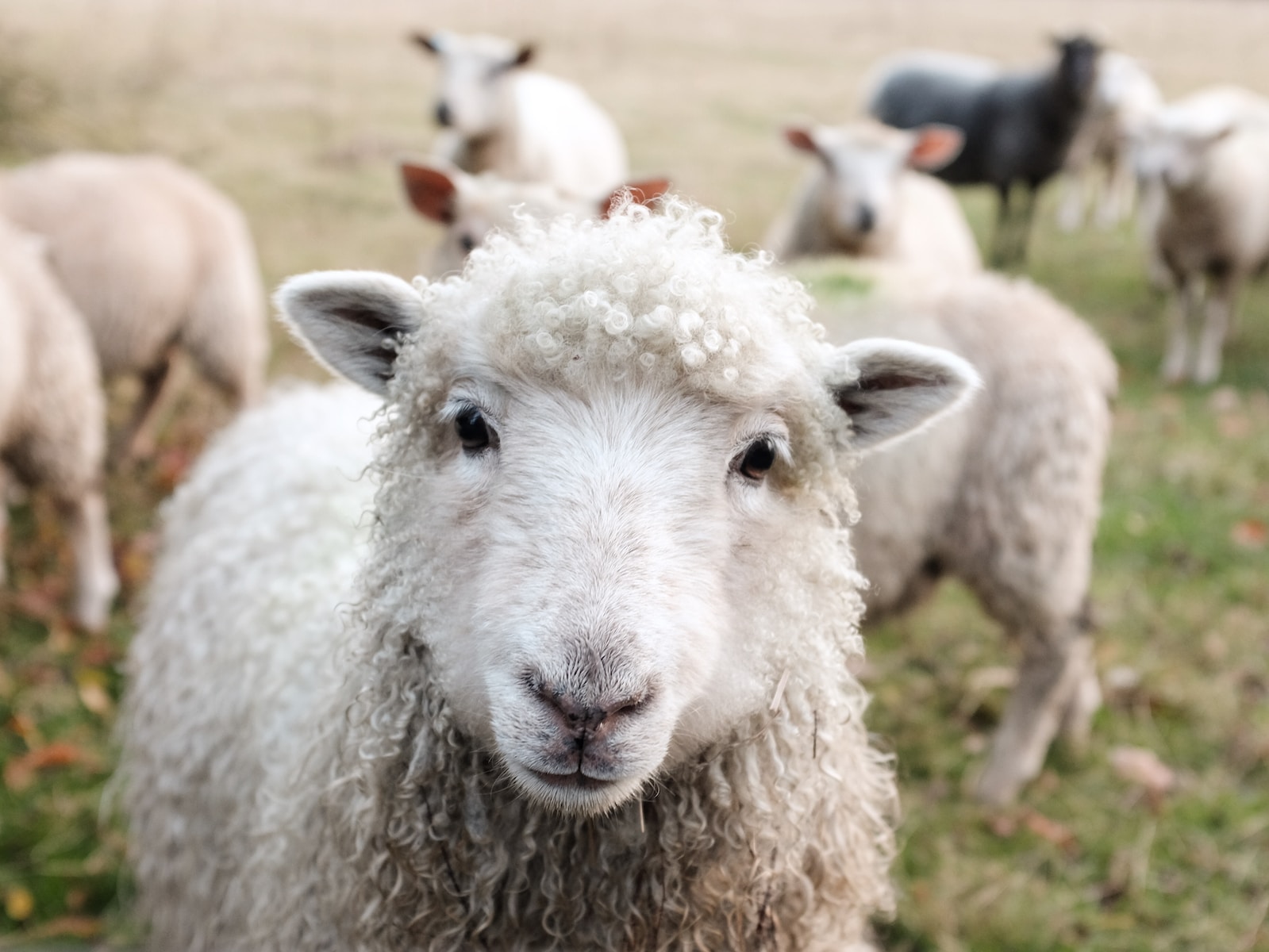
white sheep on green grass during daytime

Photo credit: Sam Carter. The BFD.

OPINION

Alan Renwick

Professor of Agricultural Economics, Lincoln University, New Zealand


This month the federal government announced a plan to ban live sheep exports, set to come into effect from May 1 2028.

The announcement coincided with the release of a highly anticipated report by an independent panel set up to examine the issue.

Animal welfare advocates immediately hailed the news, having long campaigned for a ban.

But farming organisations have expressed deep concerns about its potential impact on the sector. They’ve also argued the four-year transition window won’t be nearly enough time to adjust.

Despite being something of an early mover, Australia is not the first country to implement a live export ban.

Neighbouring New Zealand imposed a total ban on live animal exports, which came into full effect in April last year.

In December, the United Kingdom also put forward legislation to ban live exports for slaughter and fattening. The issue continues to gain momentum across the European Union.

So are such bans really a death knell for the sheep industry, as is sometimes argued, or just an inevitable part of a necessary transition?

A deepening urban–rural divide

One of the earliest impacts of this proposal has been to ramp up tensions in Australia between state and federal governments, as well as between urban and rural communities.

Western Australia singlehandedly accounts for 99% of Australia’s live sheep exports. Groups opposed to the ban have framed it as just another example of Australia’s “inner city” east coast dictating terms to rural Western Australians.

But this “west versus the rest” narrative could itself be misleading.

Polling commissioned by the RSPCA found more than 70% of Western Australians were in favour of a ban, perhaps reflecting a more general urban-rural divide on the issue.

Will it really crush the sheep industry?

The size of the ban’s impact will obviously hinge on the importance of live exports to the sheep sector more generally, and the industry’s scope for adjustment. Adaptation could mean shifting this supply to the domestic processing market or expanding other enterprises.

Proponents of the ban argue that live exports are only a small component of the sheep industry. According to government figures, Australia’s lamb and mutton export industry was worth A$4.5 billion in 2023.

But live sheep exports by sea made up less than 2% of this trade, at around $77 million. To further emphasise this point, advocates of a ban have pointed out this trade equates to only 0.1% of Australia’s total agricultural exports.

In contrast, opponents of the ban would say these aggregate Australian figures significantly downplay live export’s economic importance to WA.

Despite a marked decline over the past decade, the sector still accounts for an estimated 5.4% of the state’s total sheep industry exports.

The live export market offers producers other benefits too. The ability to sell sheep to an alternative market can enhance the bargaining power of farmers when dealing with domestic processors.

In Ireland, where processing capacity is highly concentrated, the agriculture sector has fought vigorously to keep the live export trade.

Exporting live sheep is also an avenue for farmers in dry periods when feed is short.

How much should the industry be compensated?

The potential economic impact of the ban has been highly contested, but most estimates acknowledge there will be a financial loss.

The independent panel gave particular weight to the estimates generated for the WA government. These put the cost at around $123 million a year if no substitution of other enterprises took place, or $22 million a year if farmers turned to crop production.

When spread out on a per-farm basis, the losses estimated by some studies may appear relatively small.

But current financial and climatic challenges in the region are intense, and even small reductions in revenue could push some businesses and their owners past a tipping point.

The government has proposed a $107 million package to aid the transition, which includes $64.6 million to help sheep producers capitalise on existing and emerging opportunities, and $27 million to boost marketing of sheep products domestically and internationally.

The support is not just targeted at farmers. The government acknowledges that businesses right across the supply chain – hauliers, stock traders, feed producers – will all be impacted by the ban.

How effective this support will be depends on how it is implemented, the extent of its uptake, and how effectively it can soften the transition.

The planned marketing support will have a much more indirect impact, with considerable uncertainty as to how much the forecast losses can actually be offset by boosting demand.

Given the uncertainty around the actual costs that will be incurred, it is hard to assess the adequacy of the payments. Federal Agriculture Minister Murray Watt sees them as generous, pointing out that $107 million is five times the lower band estimate of annual losses.

The WA government, in contrast, has argued that the transition payments are wholly inadequate.

But in New Zealand, there were no transition payments associated with the export ban, and none appear to have been proposed in the UK either.

The situation in Australia reflects the historic importance of the live export sector to the sheep supply chain.

What’s next?

As part of the sheep industry’s social licence to operate, it would seem wise for businesses to plan for a future without live exports. Simultaneously, policymakers should work to increase the resilience of the sector against the significant financial and climatic challenges that it faces.

But politics is a fickle beast. In New Zealand, the recently elected coalition have now flagged plans to reverse the country’s ban, under sustained pressure from industry.

Australia’s National Party has already indicated that they too will push for a reversal.

While it is clear that a majority of the population are against live exports, that majority can be slimmer than one might think. A recent poll in New Zealand put support for the ban at just 51%.

Ultimately, this sort of political uncertainty is only likely to reduce the incentives for businesses to adjust.

This article is republished from The Conversation under a Creative Commons license. Read the original article.

A 50,000-Year-Old Block of Ice Paints the Most Chilling Picture of the Future Ever

Scientists dove into the past and found evidence that puts our present crisis into sobering perspective.BY DARREN ORFPUBLISHED: MAY 21, 2024 7:30 AM EDTbookmarksSAVE ARTICLE

https://www.popularmechanics.com/science/environment/a60819842/50000-year-old-block-of-ice/

melting icecaps global warming

Peter Dazeley//Getty Images

  • Scientists from the Oregon State University conducted chemical analyses on air bubbles trapped within the West Antarctic Ice Sheet Divide ice core.
  • They discovered that, in the last glacial period, Earth experienced its highest CO2 increase: 14 parts per million in just 55 years. Not, our planet experiences that increase every five years.
  • The mechanism of these natural CO2 increases suggest that increasing westerly winds in the Southern hemisphere could weaken the Southern Ocean’s ability to absorb CO2.

A favorite refrain among the dwindling number of climate deniers is that increases in temperature and carbon dioxide levels are a natural part of the Earth’s atmospheric cycle. And while the planet has certainly seen some rise and falls in both of those metrics over thousands (and even millions) of years, what the planet is currently experiencing far outstrips everything that has come before.

In a new study published this week in the journal Proceedings of the National Academy of Sciences (PNAS), scientists from Oregon State University identified the fastest natural rates of CO2 rise over the past 50,000 years. To do this, the research team tapped into bubbles of air trapped in West Antarctic Ice Sheet Divide ice core that essentially preserved the delicate balance of gasses present in Earth’s atmosphere at the time of their icy entombment.


RELATED STORY

The team had to drill some 2 miles deep to get enough ice to study a 50,000 year time span. After conducting an extensive chemical analysis, the researchers discovered just how extreme and outlier the current rising CO2 levels fueling our current climate crisis are compared to the rest of Earth’s recent geologic history.

MORE FROM POPULAR MECHANICS
How Scissors Are Made From Scrap Metal

Previous VideoPauseNext VideoUnmute

Current Time 0:12

Loaded: 11.05%

Remaining Time -7:59Play in full-screen

WATCH: How Scissors Are Made From Scrap Metal

preview for Popular Mechanics All Sections

“Studying the past teaches us how today is different. The rate of CO2 change today really is unprecedented,” OSU’s Kathleen Wendt, the lead author of the study, said in a press statement. “Our research identified the fastest rates of past natural CO2 rise ever observed, and the rate occurring today, largely driven by human emissions, is 10 times higher.”

Advertisement – Continue Reading Below

https://70d2b5d138b0bbf6222fa6352f496d09.safeframe.googlesyndication.com/safeframe/1-0-40/html/container.html

During the most recent glacial period, CO2 levels rose 14 parts per million in the span of roughly 55 years—today, a similar increase takes only 5 or 6 years.

Usually—that is, when humans aren’t sowing the seeds of own climate destruction—the Earth experiences periodic increases in CO2 levels due to an effect known as Heinrich Events. Named after German marine geologist Hartmut Heinrich, these events coincide with a cold spell in the North Atlantic caused by icebergs breaking off from the Laurentide Ice Sheet. This causes a kind of chain reaction that leads to a change in global climate patterns.


RELATED STORY

“We think [Heinrich events] are caused by a dramatic collapse of the North American ice sheet,” OSU’s Christo Buizert, a co-author on the study, said in a press statement. “This sets into motion a chain reaction that involves changes to the tropical monsoons, the Southern hemisphere westerly winds and these large burps of CO2 coming out of the oceans.”

This small bit about westerly winds is particularly bad news. Climate models suggest that these winds will only increase as the planet warms, meaning the Southern Ocean could lose a lot of its much-needed carbon dioxide-absorbing ability.

While this news is all definitely one big climate bummer, maybe there’s at least some hope that this last vestige of climate denialism will finally face oblivion, and humanity can focus on the hard and necessary work of cleaning up our mess.