Staunch atheists show higher morals than the proudly pious, from the pandemic to climate change

https://www.salon.com/2021/08/21/staunch-atheists-show-higher-morals-than-the-proudly-pious-from-the-pandemic-to-climate-change/

When it comes to the most pressing moral issues of the day, hard-core secularists exhibit much more empathy

By PHIL ZUCKERMAN
PUBLISHED AUGUST 21, 2021 8:00AM (EDT)

A woman holds a sign proclaiming her belief that she doesn't need to be vaccinated or wear a mask because Jesus will protect her from coronavirus, as anti-vaccination protesters pray and rally near City Hall after the Los Angeles City Council voted earlier this week to create an ordinance requiring proof of vaccination to enter many indoor public spaces, in Los Angeles, August 14, 2021. (DAVID MCNEW/AFP via Getty Images)A woman holds a sign proclaiming her belief that she doesn’t need to be vaccinated or wear a mask because Jesus will protect her from coronavirus, as anti-vaccination protesters pray and rally near City Hall after the Los Angeles City Council voted earlier this week to create an ordinance requiring proof of vaccination to enter many indoor public spaces, in Los Angeles, August 14, 2021. (DAVID MCNEW/AFP via Getty Images)Facebook127TwitterRedditEmail9save

Two recent events have shed an illuminating light on who is and who isn’t moral in today’s world.

First, Cardinal Raymond Burke, a leader in the U.S. Catholic Church and a staunch anti-masker/vaxxer, was put on a ventilator as a result of his suffering from COVID-19. Second, the Intergovernmental Panel on Climate Change of the United Nations released its latest data-rich report, warning that “unless there are rapid and large-scale reductions in greenhouse gas emissions, limiting warming to close to 1.5 degrees Celsius or even 2 degrees Celsius will be beyond reach.”

The global pandemic and the rapidly warming of our planet — these dire phenomena are, above all, deeply moral matters in that they both entail care for the well-being of others and a desire to alleviate misery and suffering.Advertisement:https://1f1d3b142cbc478deadaded6ed9ff2e1.safeframe.googlesyndication.com/safeframe/1-0-38/html/container.html

Now, while most people assume that such a morality is grounded in religious faith, and while it is certainly true that all religions contain plenty of moral ideals, in our nation today, it is actually the most secular among us who are exhibiting a greater moral orientation — in the face of deadly threats — than the most devout among us, who are exhibiting the least.

Before proceeding, let me make it clear: When I say the “most secular among us,” I mean atheists, agnostics, people who never attend religious services, don’t think the Bible is the word of God, and don’t pray. Such self-conscious and deliberatively irreligious people are to be distinguished from the lackadaisically unaffiliated — often called “nones” — who simply don’t identify with a religion.

And by the “most devout among us” I mean religious fundamentalists who believe in God without any doubts, who attend church frequently, who consider the Bible the infallible word of God, who pray a lot, and who insist that Jesus is the only way, the only truth, and the only life. These strongly religious folks are to be distinguished from moderately religious Americans, who are generally liberal and tolerant.Advertisement:

https://imasdk.googleapis.com/js/core/bridge3.476.0_en.html#goog_1224626718How Senator Sherrod Brown is getting over the “worst president” of his lifetime00:00 00:00

Think of it like two ends of a spectrum, with one end representing the staunchly secular and the other end representing the deeply devout. Most Americans fall somewhere in the middle; both the “nones” and the moderately religious together comprise the majority of Americans. But as to those who occupy the end points of the spectrum, it is — as stated above — the affirmatively godless who are exhibiting greater moral proclivities in our nation today than the proudly pious.

We can start with the global pandemic. COVID-19 is a potentially deadly virus that has caused — and continues to cause — dire woe. Surely, to be moral in the face of such a dangerous disease is to do everything one can — within one’s limited power — to thwart it. No moral person would want to willfully spread it, bolster it, or prolong its existence. And yet, when it comes to the battle against COVID-19, it is the most secular of Americans who are doing what they can to wipe it out, while it is the most faithful among us, especially nationalistic white Evangelicals, who are keeping it alive and well. Taking the vaccine saves lives and thwarts the spread of the virus. So, too, does sheltering in place as directed and wearing protective face masks. And yet, here in the U.S., it is generally the most religious among us who refuse to adhere to such life-saving practices, while it is the most secular who most willingly comply. For example, a recent Pew study found that while only 10% of atheists said that they would definitely or probably not get vaccinated, 45% of white Evangelicals took such a position.Advertisement:https://1f1d3b142cbc478deadaded6ed9ff2e1.safeframe.googlesyndication.com/safeframe/1-0-38/html/container.html

Consider climate change. The best available data shows that — as a direct result of human activity — we are destroying our planet. The results are already manifesting with greater and deadlier frequency: poisoned air and water, massive wildfires, stronger hurricanes, brutal mudslides, quickly melting glaciers, rising sea levels, the wanton disappearance of forests and coral reefs. Such developments do not bode well for the future; more suffering and death are on the rapidly approaching horizon. And, yet again, what do we see? It is the most staunchly secular among us who understand the science behind climate change and want to do what needs to be done in order to prevent it, while it is the most pious among us who dismiss the science and don’t want to address the dire threat. For example, a recent PRRI study found that over 80% of secular Americans accept the evidence that human activity is causing climate change — and they place addressing climate change at the top of the list of their political priorities — while only 33% of white Evangelicals accept such evidence, and thus place is towards the bottom of their list of political priorities.

But it’s not just the pandemic and climate change that illustrate this widening religious/secular moral divide. Take gun violence. Currently, more Americans die annually from firearms than automobile accidents; since 2009, there have been 255 mass shootings in the U.S.; every few hours, a child or teen dies from a gun wound. When the founders of the country passed the Second Amendment, they couldn’t have imagined the instantaneous devastation a semi-automatic rifle can do in the hands of one vicious person. And there is no question that Jesus — who taught an unmitigated message of non-violence — would denounce the existence of such weapons. And yet, who is more pro-gun in today’s America? Not the hardest of atheists. Rather, it is the most fervent of Christians. For but one example: While 77% of atheists are in favor of banning assault rifles, only 45% of white Evangelicals are.Advertisement:

In terms of who supports helping refugees, affordable health care for all, accurate sex education, death with dignity, gay rights, transgender rights, animal rights; and as to who opposes militarism, the governmental use of torture, the death penalty, corporal punishment, and so on — the correlation remains: The most secular Americans exhibit the most care for the suffering of others, while the most religious exhibit the highest levels of indifference.

But wait — what about the rights of the unborn? While many people oppose abortion on decidedly moral grounds, it is also the case that many others support the right of women to maintain autonomy over their own reproductive capacities, on equally moral grounds. Hence, the deep intractability of the debate. And yet, most Americans — both religious and non-religious — do not see the abortion of a non-viable fetus as being akin to the murder of a living human being. And let’s be frank: It is impossible to square the assertion that the strongly religious are “pro-life” while they simultaneously refuse to get vaccinated, to wear a mask, to fight climate change, to support universal healthcare, or to support sane gun legislation. To characterize such an agenda as “pro-life” renders the label rather insincere, at best.

Admittedly, how morality plays out in the world is always complex, with numerous exceptions to the correlations above. For example, African Americans tend to be highly religious and yet are also extremely supportive of gun control. The Catholic Church, which has deftly overseen the most extensive pedophile ring in history, and continues to ban the life-saving use of condoms, also happens to morally oppose the death penalty. One study has found that Evangelicals actually get vaccinated at higher rates than the religiously unaffiliated (though not at a higher rate than agnostics). And members of religious congregations tend to donate more money to charity, on average, than the unaffiliated. And of course, the 20th century has witnessed the immoral, bloody brutality of numerous atheist dictatorships, such as those of the former USSR and Cambodia.

However, despite such complexities, the overall pattern remains clear: When it comes to the most pressing moral issues of the day, hard-core secularists exhibit much more empathy, compassion, and care for the well-being of others than the most ardently God-worshipping. Such a reality is necessary to expose, not simply in order to debunk the long-standing canard that religion is necessary for ethical living, but because such exposure renders all the more pressing the need for a more consciously secular citizenry, one that lives in reality, embraces science and empiricism, and supports sound policies — not prayer — as a way to make life better, safer and more humane.

Landlord Suspects ‘Animal Sacrifice’ After 22 Animals Are Found in Man’s Home

https://www.newsweek.com/landlord-suspects-animal-sacrifice-after-22-animals-are-found-mans-home-1621553

BY SAMANTHA BERLIN ON 8/20/21 AT 12:39 PM EDTVideo Player is loading.PauseUnmuteCurrent Time0:39/Duration0:57Loaded: 69.97%QualityFullscreenJon Stewart Help Rescue Lost Goats On Brooklyn Subway TracksSHAREShare on FacebookShare on TwitterShare on LinkedInShare on PinterestShare on RedditShare on FlipboardShare via EmailCommentsNEWSNEW JERSEYANIMALS

Aman in Jersey City, New Jersey, was recently found with over 22 animals in his three-bedroom apartment—not all of them alive. Authorities found about “7-9” goats, about “4-5” dead chicken carcasses, a duck, and a dead pigeon nailed to his front door.

Authorities had received multiple complaints from concerned neighbors about the farm animals. When police and the health department arrived at the suburban row home, they found an odd scene.Police Raid Texas Property to Find ‘Animal Sacrifice’READ MOREPolice Raid Texas Property to Find ‘Animal Sacrifice’

They found “about four or five dead chicken carcasses, their throats slashed and they were left in a pile,” H. James Boor of the Division of Environmental Health for Jersey City told NBC-4 New York.NEWSWEEK NEWSLETTER SIGN-UP >

Alyza Brevard-Rodriguez, Otero’s landlord, was returning home from active duty in the Middle East with the U.S. Navy when she saw the animals grazing in the rental’s backyard. The bizarre situation got worse when she saw the pile of chicken carcasses.

The man, identified by authorities as Emilio Otero, claims he is a Santeria doctor. “I help people with cancer, ladies that not pregnant, people with psoriasis,” Otero told the local news station. Santeria is an Afro-Caribbean religion that started in Cuba and popularly sacrifices animals as a form of devotion.

However, Otero denies partaking in any animal sacrifices and says that he actually eats the animals as part of his religion. “It’s legal (in) the United States…you respect the religion,” Otero explained.

Chicken and Goat
A man in Jersey City was found living with over 22 farm animals in his 3-bedroom rental, and his landlord believes he was sacrificing them. The above image shows a chicken and a goat together.CHALABALA/GETTY IMAGES

NEWSWEEK SUBSCRIPTION OFFERS >

The Jersey City Code of Ordinances would state differently, though. According to the municipal code in Jersey City, “no pigeons, chickens or other poultry shall be permitted to run, fly or stray within 25 feet of such structure, provided that this shall not apply to homing pigeons.”

The code also requires a clean dwelling and chicken coop. Images obtained by NBC-4 show Otero’s backyard filled with cardboard boxes, grazing goats and the chicken carcasses.

“Jersey City has an ordinance that prohibits residents from keeping farm animals, livestock, in the city limits,” Boor said, adding that Otero could face jail time for breaking the city ordinances. “It could be $2000 and 90 days in jail.”READ MORE

Brevard-Rodriguez said that Otero hasn’t paid his rent since May but she cannot evict him due to the federal eviction moratorium. The Centers for Disease Control (CDC) issued the temporary protection from eviction on August 3. It prevents landlords from evicting renters who are behind on rent. The moratorium is set to end on October 3.

While the animals have been removed from the premise, Otero has not been arrested or charged by authorities. Santeria practices such as the ones Otero was involved in are protected under the Freedom of Religion act. He could potentially be charged for violating the city’s animal codes, according to the Division of Environmental Health.

Newsweek reached out to The Division of Environmental Health and the Jersey City Police Department for comment but did not receive a response in time for publication.

Antarctica’s ‘Doomsday Glacier’ is fighting an invisible battle against the inner Earth, new study finds

Exposing the Big Game's avatarThe Extinction Chronicles

https://www.livescience.com/antarctica-doomsday-glacier-geothermal-heat-map

ByBrandon Specktorabout 8 hours ago

Underground heat is cooking the Thwaites Glacier from below, and could push it closer to collapse.

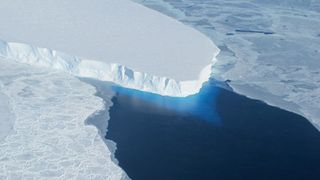
Antarctica's Twaites Glacier, climate change, ice melt

Antarctica’s Twaites Glacier is facing an assault of heat from the sky, the sea and deep underground.(Image credit: NASA)

WestAntarcticais one of the fastest-warming regions on Earth. For evidence, you need look no further than Thwaites Glacier — also known as the “Doomsday Glacier.”

Since the 1980s, Thwaites has lost an estimated 595 billion tons (540 billion metric tons) of ice, single-handedly contributing 4% to the annual global sea-level rise during that time,Live Science previously reported. The glacier’s rate of ice loss has accelerated substantially in the past three decades, partially due to hidden rivers of comparatively warm seawater slicing across the glacier’s underbelly, as well as unmitigatedclimate changewarming the air and the ocean.

Now, new research suggests that the…

View original post 650 more words

Asteroid As Large As A Mountain Will Fly Near Earth This Weekend

Exposing the Big Game's avatarThe Extinction Chronicles

https://www.iflscience.com/space/asteroid-as-large-as-a-mountain-will-fly-near-earth-this-weekend/

1.8KSHARESShareon FacebookShareon TwitterSPACE

Asteroid As Large As A Mountain Will Fly Near Earth This Weekend

ARTIST’S IMPRESSION OF AN ASTEROID NEAR EARTH. IMAGE CREDIT: DIMA ZEL/SHUTTERSTOCK.COMhttps://f67d71ea7a24fd28d1763a80320868c5.safeframe.googlesyndication.com/safeframe/1-0-38/html/container.html

By Dr Alfredo Carpineti

20 AUG 2021, 10:54

On Saturday, August 21, a potentially hazardous asteroid will safely fly past Earth at a distance of just3.4 million kilometers(2.1 million miles),the closest approach for several decades. That’s just 8.9 times the distance between the Earth and the Moon.

Asteroid 2016 AJ193 is larger than 99 percent of all known Near-Earth objects and so it is good to keep an eye on it.

The space rock measures 1.37 kilometers (0.85 miles) according to measurements fromNASA’s spacecraft NEOWISE. It is also surprisingly dark, reflecting very little light back making this close (and safe) approach an important chance to better study the object.

It was discovered by the Panoramic Survey Telescope and Rapid Response System (Pan-STARRS) facility –…

View original post 292 more words

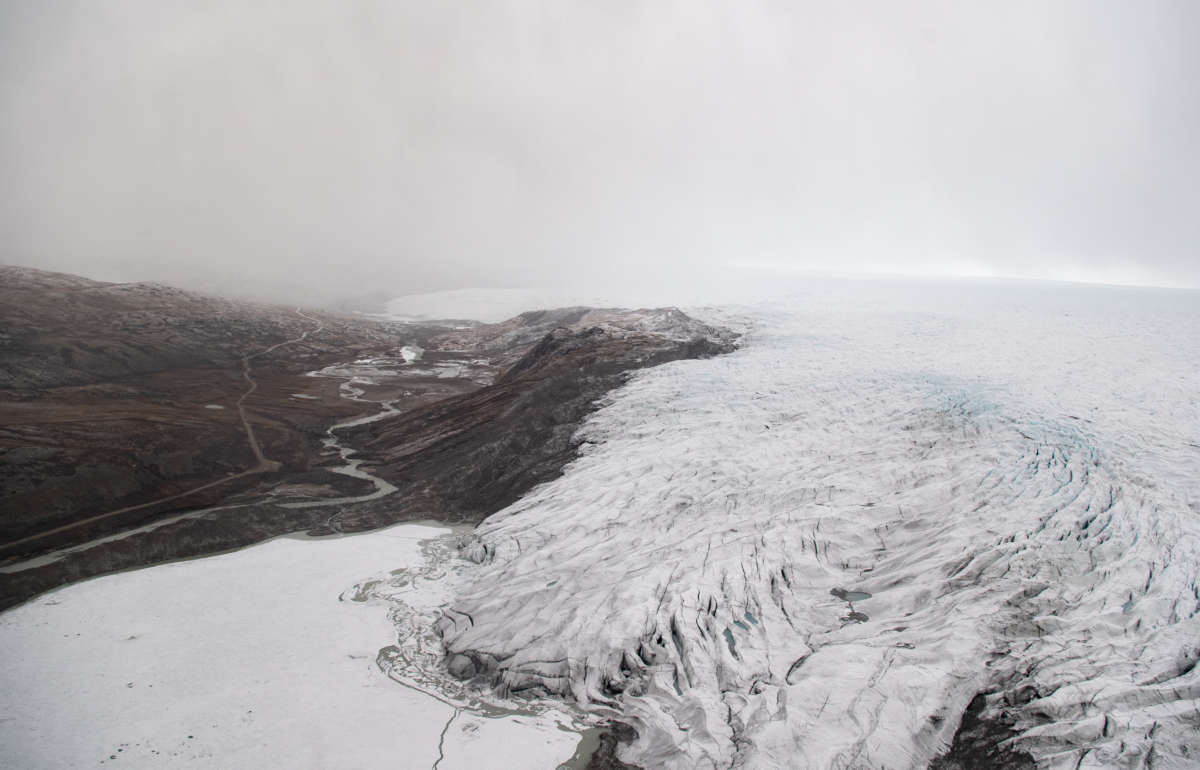
For First Time on Record, Rainfall Observed at Peak of Greenland Ice Sheet

Biden backs end to wolf protections but hunting worries grow

Exposing the Big Game's avatarCommittee to Abolish Sport Hunting Blog

https://www.msn.com/en-us/news/politics/biden-backs-end-to-wolf-protections-but-hunting-worries-grow/ar-AANy65d?ocid=msedgntp

Associated Press

By MATTHEW BROWN and JOHN FLESHER, Associated Press3 hrs agoLike5 Comments|80


Biden just had his worst week as president yetDriver of tractor-trailer hauling Pop-Tarts, Cheez-its arrested after crash on…

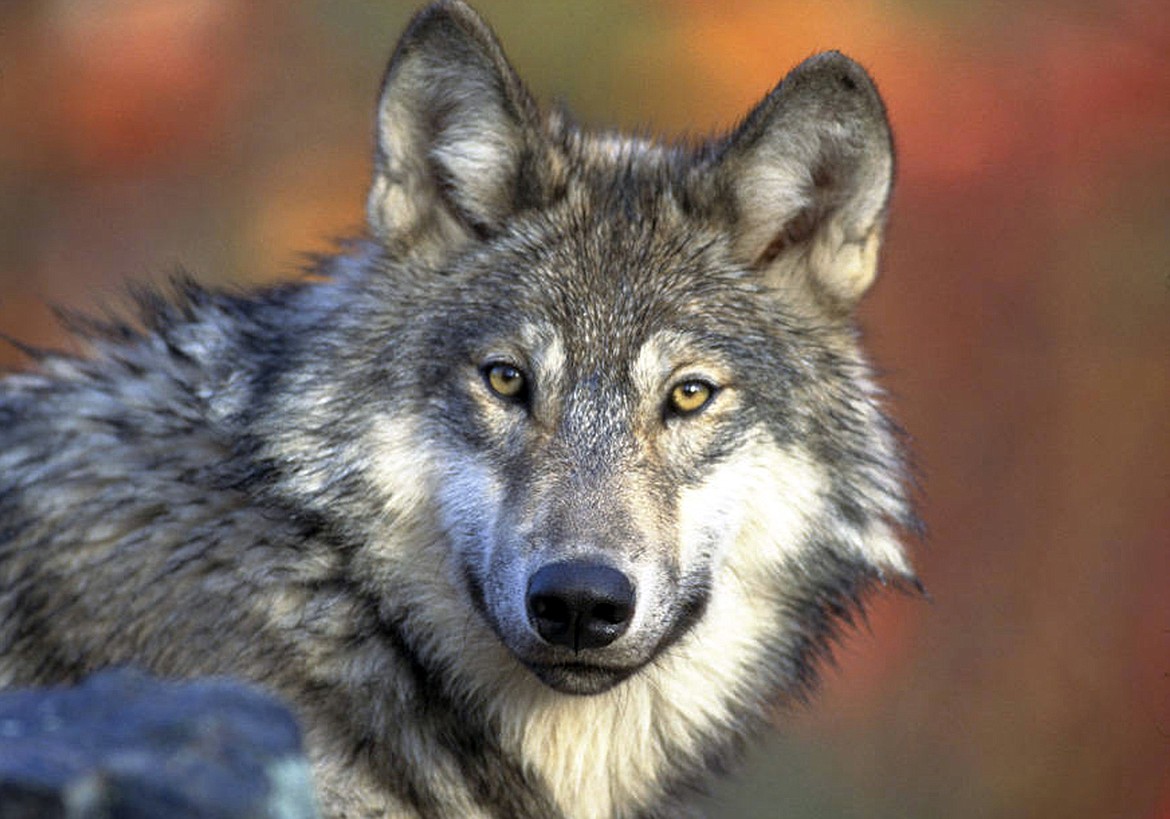
FARIBAULT, Minn. (AP) — President Joe Biden’s administration is sticking by the decision under former President Donald Trump to lift protections for gray wolves across most of the U.S. But a top federal wildlife official on Friday told The Associated Press there is growing concern over aggressive wolf hunting seasons adopted for the predators in the western Great Lakes and northern Rocky Mountains.FILE - This July 16, 2004, file photo, shows a gray wolf at the Wildlife Science Center in Forest Lake, Minn. President Joe Biden's administration is sticking by the decision under former President Donald Trump to lift protections for gray wolves across most of the U.S. (AP Photo/Dawn Villella, File)© Provided by Associated PressFILE – This July 16, 2004, file photo, shows a gray wolf at the Wildlife Science Center in Forest Lake, Minn. President Joe Biden’s administration is sticking by the decision under former President Donald Trump to lift protections for gray wolves across most of the U.S. (AP Photo/Dawn…

View original post 945 more words

The West’s megadrought is so bad, authorities are airlifting water for animals

https://www.vox.com/2021/8/20/22630551/colorado-river-shortage-drought-wildlife

What do we owe animals suffering under climate-fueled drought?By Benji Jones@BenjiSJones  Aug 20, 2021, 9:30am EDT

Share this story

Wildlife agencies in the Southwest transport water to tanks that provide a lifeline for thirsty animals during severe drought. Here, two bears at a catchment this summer in Arizona.

This story is part of Down to Earth, a Vox reporting initiative on the science, politics, and economics of the biodiversity crisis.

The 20-plus-year drought in the American West hit a new extreme this week as the US government declared a water shortage on the Colorado River for the first time in history.

The flow of the river, which shaped the Grand Canyon and cuts through seven western states, has fallen by 20 percent over the past century. It feeds the nation’s largest human-made reservoir, Lake Mead, which has also sunk to a record low.

The announcement of the shortage isn’t just symbolic. It also triggers mandatory water consumption cuts, which mostly impact Arizona, that take effect early next year. Some 40 million people rely on the river for water, contributing to its decline — to say nothing of the nearly 5.5 million acres of farmland that it irrigates.

What those figures miss are the countless plants and animals that also depend on water to survive in the harsh terrain of the western US. The megadrought is threatening wildlife, and state agencies are pouring in resources to keep important species alive — in some cases, by flying water in helicopters to remote, artificial watering holes where bears, sheep, and other thirsty animals seek relief.

A female elk drinks from a water catchment site in Arizona in the summer of 2021.

These measures are quickly becoming the new normal, and they aren’t cheap. Flying a helicopter that air-drops hundreds of gallons of water, for example, can cost as much as $1,800 an hour, according to a biologist with the Arizona Game and Fish Department.

Scientists involved in wildlife conservation are concerned that as climate change makes droughts more frequent and severe, they’ll have to work harder to conserve plants and animals. And as more areas are forced to ration the scarce resource of water, they have to answer a difficult question: What do humans owe animals that are perishing from a problem of our own making?

How drought hurts animals

Wild animals can die of dehydration, but many of the major impacts of drought are far less obvious.

As the water level in lakes or streams falls, for example, it can heat up, causing the metabolism of cold-water fish to increase, according to Blair Wolf, a biology professor at the University of New Mexico. To sustain a faster metabolism, fish need more oxygen, yet warm water tends to hold less oxygen, he said. “The fish basically have a higher metabolism and there’s less oxygen available for them to breathe,” Wolf said.

What’s more, warmer water in the Colorado River basin tends to favor invasive species like smallmouth bass, research has found. “In the absence of effective management interventions, future warming is likely to disproportionately benefit nonnative species to the detriment of native species,” authors of a recent study wrote.

Drought also affects birds’ ability to tolerate extreme heat, according to Steven Beissinger, an ecologist at the University of California, Berkeley. Birds perspire through their mouth and skin to stay cool on hot days, which requires water. Plus, many species get all of their water from the food they eat. “So if it’s hotter and drier, they will need to eat more food,” Beissinger said. “This requires more energy or effort to obtain more food, which increases water needs further.”

At the same time, drought — and especially drought combined with rising temperatures — can make it harder for baby birds to survive and lead to population declines in at least some species, in part by making it tougher to find food, Wolf’s research has found. Water is incredibly important to desert plants, Wolf said, which feed rodents and other animals that birds eat.

“We found a rapid decline in burrowing owl population size strongly linked to extreme drought conditions,” he and his co-author wrote in a 2016 study about a population of owls in the Southwest that fell by more than 98 percent in 16 years.

Vegetation shortages can even make it harder for bucks to grow full-size antlers, which they use to compete with each other for mates and territory, according to the Utah Division of Wildlife Resources.https://earthengine.google.com/iframes/timelapse_player_embed.html#v=36.20434,-114.55026,8.681,latLng&t=2.34&ps=50&bt=19840101&et=20201231&startDwell=0&endDwell=0

Not every species suffers when water levels fall. Some native fish, for example, actually seem to benefit from rising water temperatures in parts of the Colorado River basin, said Charles Yackulic, a researcher at the United States Geological Survey.

When reservoirs like Lake Mead are full, the water flowing out of dams tends to be cold and therefore uninhabitable for certain fish, including the humpback chub, an endangered species that prefers warmer waters. When the reservoirs shrink and release warmer water, certain downstream species may benefit: The humpback chub is doing so well these days that the Fish and Wildlife Service proposed downlisting the species last year from endangered to threatened.

But even those benefits likely have a limit, Yackulic says. Humpback chub can only tolerate warming water up to a point, and other parts of the river — where dams haven’t historically cooled the water as much — could soon become intolerably hot for native species, Yackulic said.

Lake Mead on July 20, 2021, from Boulder City, Nevada.

It’s getting harder and harder to keep animals alive

The US is the second-largest emitter of greenhouse gases, but it also has some of the world’s strongest environmental protections and institutions. They’re helping offset some of climate change’s worst symptoms, including severe drought.

A handful of states resort to dumping water in outdoor tanks where animals can reach them, creating a liquid lifeline that wild animals depend on. Last year, the Arizona Game and Fish Department (AGFD) hauled a record 2.4 million gallons of water to these catchments, and this year the state’s on track to haul 3 million gallons, according to Larisa Harding, the AGFD small game program manager. There are roughly 3,000 catchments in the state that hold anywhere from 2,500 to 10,000 gallons of water each, Cronkite News’s Nick Serpa reported in 2018.

“When we don’t get rain, we can make up that difference at least enough to keep those animals persisting,” Harding said. While it may sound far-out to build a whole separate network of water infrastructure for animals, the catchments are essential “if we want wildlife on the landscape when we have these extreme conditions,” Harding said. Providing water also means animals won’t have to walk far in pursuit of a drink, which can lower the likelihood of road collisions, she said.

A helicopter picks up water to fill artificial catchment sites in Arizona.
Nevada’s wildife agency carries water to artificial watering holes that benefit bighorn sheep.

Wildlife agencies have a number of other tools at their disposal, some of which require more work than others. Earlier this year, the California Department of Fish and Wildlife trucked millions of juvenile salmon from rivers that were drying up in the Central Valley to the Pacific Ocean. Some states have also limited hunting permits owing to “reduced productivity of critical wildlife ranges.”

There are also a number of other government-run conservation programs across the Colorado River basin. The Lower Colorado River Multi-Species Conservation Program, for example, was set up to offset damages to wildlife — especially animals listed under the Endangered Species Act — caused by all kinds of river operations, including diverting water and generating hydroelectric power, according to John Swett, who manages the program.https://b5d85b252ff2a5f0b8ec0f43e6be6c99.safeframe.googlesyndication.com/safeframe/1-0-38/html/container.html

But experts say many of these projects are only temporary solutions, and it’s not clear to what extent they help. Catchments, for example, have a pretty isolated effect and aren’t typically used by migratory birds, Wolf said. Plus, flying helicopters, hauling salmon, and limiting permits are expensive and already hard to sustain. A lot of effort is going into just keeping populations stable.

So what happens as climate change makes these problems worse?

“I talk to a lot of management agency folks, and that is a concern: How much longer can we maintain efforts as water becomes just rare in general?” Yackulic said. “Sometimes it’s about the financial costs, but sometimes it’s just about the water itself.”

The Lake Mead Marina, where trash is visible due to the low water level, on July 19, 2021.

What humans owe animals

Government agencies in the US are required by law to protect endangered and threatened species, and we conserve some animals because they provide valuable services, like pollination. But aside from that, what do humans owe animals that are in decline thanks to problems — like severe drought — that people helped create?

RELATED

The wild frontier of animal welfare

“You would hope humans would have some sense of responsibility,” Wolf said. But “humans are selfish,” he added. “Allocating water for a minnow or a trout or a fish or a frog is hard to justify in people’s minds.”

Other scientists Vox spoke to were also at a loss for how to balance rising human demands with the needs of wildlife in a rapidly warming world, though they all felt a personal sense of responsibility. “I try to be a good steward of the land,” Harding said. “I try to look for the best ways to promote wildlife health and habitat health.”

Wolf, meanwhile, finds fulfillment in educating the next generation “on what’s happening, why it’s happening, and what can be done about it,” he said.

Of course, it’s that last part — what we can do — that really matters. And ultimately, it will have to be much more than airlifting water and, perhaps, require us to put the needs of ecosystems and the animals that inhabit them above our own.

https://www.vox.com/2021/8/20/22630551/colorado-river-shortage-drought-wildlife

Fish Are the Forgotten Victims of Factory Farming

Fish Are the Forgotten Victims of Factory Farming

ByLex RigbyFebruary 17, 2021Viva! Campaigns

Read Next
Buying Meat? Don’t Believe What You Read on the Label

In 2017, the Guardian released staggering details from an investigation into intensive U.S.-style factory farming in Britain, revealing that close to 800 mega-farms were operating across the UK. Since then, the number of factory farms has continued to rise and is more likely to be around the 2,000-farm mark today.  

When we talk about intensive farming from the government’s perspective, we’re talking about farms that require an environmental permit to operate. By definition, that’s any farm confining more than 40,000 birds, 2,000 pigs, or 750 breeding sows. This classification of factory farming excludes the millions of cows, sheep, goats, and even fish that are also kept in cramped, overcrowded conditions with a lack of environmental enrichment, poor hygiene standards, and low animal welfare.

It’s widely accepted that chickens are by far the most intensively farmed land animal—with around 50 billion slaughtered for food around the world each year—and arguably, among the most abused. But when we compare their experience to that of aquatic animals, who receive fewer legal protections and are farmed with even less understanding of their individual needs, we have an even tougher battle on our hands in advocating for their rights. 

The rise of modern aquaculture

Fish farming (known collectively along with the farming of other marine animals as “aquaculture”) is the practice of rearing fish under controlled conditions and includes both salt and freshwater species. It’s the world’s fastest-growing food production sector, generating over half of the fish filling our supermarket shelves. Every day in Britain we eat around one million salmon meals, making the Atlantic salmon the most commonly farmed species.

As with land-based factory farms, conditions on fish farms cannot easily replicate the complexities of an animal’s natural environment—leading to increasing concerns regarding their welfare. Stocking densities are a major issue, as farmers either pack too many or too few individuals into filthy ponds or cage-based systems. 

High numbers of fish packed together create a stressful environment in which fights regularly break out, causing fin damage and abrasions. Low numbers often mean the fish are more open to predation and therefore feel more threatened. Both environments are hugely distressing and high mortality rates, poor water quality, disease outbreaks, and increased levels of parasitic sea lice (in the case of Scottish salmon) are common.

Prioritizing profit over welfare

Between June and November 2020, Viva! carried out a groundbreaking investigation into four rainbow trout farms supplying high-end supermarkets and “luxury” food retailers including Waitrose, Abel & Cole, Harrods, and Fortnum & Mason. The brands targeted are supposedly synonymous with “sustainability” and “high welfare standards,” yet serious questions have now been raised about unacceptable conditions that create a breeding ground for disease and lead to unnecessary pain and suffering.  

Rainbow trout are native only to the rivers and lakes of North America, west of the Rocky Mountains. In being a hardy fish that is fast-growing, tolerant of warmer waters, and easy to artificially breed, they have become susceptible to intense farming and, as a result, increased exploitation. Clever marketing strategies sell us a skewed notion of “fine English trout” naturally reared in crystal-clear, swift-flowing water, pumped from the River Avon in Wiltshire and Hampshire’s pristine chalk streams. But this is a far cry from reality.

Thousands of farmed fish crowded in filthy ponds

Viva!’s video footage reveals trout severely overcrowded in filthy ponds and afflicted with abrasive injuries and swim bladder disorders affecting their buoyancy. Physical damage to their tails, fins, and eyes was widespread and seemingly untreated, leaving them open to infection from parasites, bacteria, and secondary fungal infection.

Some trout, too weak to swim against the flow of water, were filmed pressed against the outlet grilles, gasping for their last breath. Once dead, many were left to rot at the surface or sink to their watery graves in various stages of decomposition. Fungal build-ups indicated some of the dead had been left a considerable period of time, in complete violation of standards that call for the prompt removal of dead fish.

Despite defensive netting put in place to keep out herons, corvids, and gulls, several large gaps and openings were apparent, allowing for birds to strike the fish and cause additional and preventable distress.

Industrialized stress and asphyxiation

Without a doubt, many consumers will be astonished to discover the industrialized nature of rainbow trout farming, which relies on heavy-duty machinery to pump fish between ponds during their life-cycle. This practice disorients the fish as they are transported through pipework with powerful and at times sporadic water jets. Not having a constant flow of water through the system is likely one of the common causes of the abrasive injuries documented.

At one of the farms, endorsed by top chef Jamie Oliver, workers were filmed removing fish from the water for an extraordinarily long period of time to weigh them in a dry bucket—exceeding the “out of water times” standard prescribed by the Royal Society for the Prevention of Cruelty to Animals (RSPCA) by more than double. This practice limits the fishes’ oxygen supply and can lead to suffocation, which inflicts tremendous stress and heightened anxiety.

Surveillance footage also captured workers handling fish at a grading station, where they’re sorted by size for slaughter. There were multiple instances of workers throwing live trout, kicking them with frustration, and bashing them around the head with a short, blunt baton. These batons are called “priests” and are an extremely ineffective killing tool, prolonging a painful death. One fish was observed writhing around for several minutes while a worker failed to catch and kill the animal with the end of a short broom handle.

Ultimately, the trout deemed unprofitable were discarded, ineffectively culled, and left to slowly die of asphyxiation—demonstrating that regardless of species or certification schemes that boast of high standards, when animals are factory farmed, profit is prioritized over welfare. With aquaculture on the rise, these problems are only set to get worse. Since there are so many plant-based seafood alternatives available that more than rival their fish-based counterparts in taste and texture, there couldn’t be a more perfect time to choose vegan instead.Read More

Imagine Living in a Cage Filled with Millions of Tiny Parasitic Sea Lice

We Now Know Fish Feel Pain. Why Continue Harming Them In The Billions?

Fish Farming: Harming Oceans While Poisoning People and the Environment

Many people think that commercial whaling has been consigned to history; in fact, it is thriving

https://www.wcl.org.uk/many-people-mistakenly-think-that-commercial-whaling-has-been-consigned-to-history;-in-fact,-it-is-thriving.asp

Mark Simmonds OBE, outgoing Chair of the Link Marine Mammals Group, outlines his thoughts on the the continuation of whaling around the world and the role of the International Whaling Commission

August 2021

I have been the chair of Link’s Marine Mammals Working Group (and its predecessor the Whales Working Group) several times and as I stand down this final time, here are my reflections.

Much of our focus over the years has been on whaling and we have typically worked in close cooperation with the UK government on this. However, as I look out around the world now, I fear that this topic has almost dropped out of public view. I don’t think this is because people don’t care but because there is much confusion – some of it deliberately seeded – and many people mistakenly think that commercial whaling has been consigned to history when, in fact, it is thriving.

Japan remains a skillful international advocate for commercial whaling. It has neither ceased whaling nor actively advocating for it. It left the International Whaling Commission (IWC) in 2019 but continued killing big whales – sei, minke and Bryde’s – in the extensive waters of its Economic Exclusion Zone.

This has been repeatedly misreported as a ‘resumption of commercial whaling’, as if the whaling in which it had previously been engaged was not commercial in nature. In 1982, the IWC declared a global ban on commercial whaling in recognition of a catastrophic failure to make whaling sustainable. Several countries objected. Japan was one of these and, a few years later, began its infamous programme of ‘scientific whaling’ in North West Pacific and Antarctic waters. This was clearly a commercial activity wrapped in a thin scientific disguise, as the International Court of Justice recognised in a 2014 ruling.

Japan’s abandonment of the IWC means that it also plays no part in this body’s increasingly important role in trying to protect all the world’s whales, dolphin and porpoises from other threats. The IWC’s conservation plans and recommendations have become a mainstay of important mitigation activities all across the world. However, the IWC has a financial dilemma. It is almost wholly funded by the subscriptions of member nations and the pandemic-driven economic crisis affecting many countries means that balancing its budget has become a major issue. The loss of Japan’s fees has not helped. The IWC will have to agree a new balanced budget at a special virtual meeting of the Commission this Autumn.

Surprisingly, Japan continues to be an active player in the meetings of the IWC. This might be seen as presenting itself as respectful of the one legitimate body recognised in international law to manage whaling and whale conservation. However, it remains to be seen if Japan still seeks to undermine this body (preferring no global regulation of whaling) especially given that many of its close allies remain as IWC members.

The International Whaling Commission is also somewhat undermined by its name because its role is now much bigger than just whaling. Its conservation work deserves far more recognition and its role in helping endangered species and populations – something that was urgently advocated by hundreds of concerned scientists this time last year – must be supported wholeheartedly. This firmly sits in the context of the global biodiversity crisis. Whales are excellent indicators for the health of ocean systems and their role in helping to circulate nutrients and fix carbon is becoming increasingly recognised.

The UK has a potentially important ongoing role in supporting the IWC and, more generally, in cetacean conservation both at home and overseas.

Link will continue to collaborate with and inform the UK governments and others on the issues affecting marine mammals, and I would like to thank the Link Secretariat (both current and previous) for all their support across the years and I wish everyone well in the work ahead.

Mark Simmonds OBE is the outgoing Chair of the Link Marine Mammals Group

Decision on wolf trapping regs expected Friday

Exposing the Big Game's avatarCommittee to Abolish Sport Hunting Blog

https://dailyinterlake.com/news/2021/aug/17/montana-fish-and-wildlife-commission-meet-friday/

SharePrint

This file photo provided by the U.S. Fish and Wildlife shows a gray wolf. (Gary Kramer/U.S. Fish and Wildlife Service via AP)BySCOTT SHINDLEDECKER
Daily Inter Lake|August 17, 2021 12:00 AM

The Montana Fish and Wildlife Commission on Friday is expected to decide on a number of proposals of interest to hunters and trappers in Northwest Montana, including wolf and furbearer trapping setbacks, season quotas and other regulations.

The commission is considering a proposal to allow snares for wolf trapping, increase the bag limit and allow a person to take more than one wolf per license.

It is also considering proposals for trapping setbacks in Region 1, the northwest corner of the state. Some setbacks — the minimum distance a trap must be placed from trails or popular recreation areas — would be added and some places would be designated as no-trapping areas.

In addition, the…

View original post 583 more words