Paul A. SmithMilwaukee Journal SentinelView Comments0:000:58ADhttps://imasdk.googleapis.com/js/core/bridge3.474.0_en.html#goog_799099711
In a contentious meeting Wednesdaythat exposed a widening rift between some members ofthe Natural Resources Board and Department of Natural Resources staff, the boardapproved a statewide killquota of 300gray wolves in a fall Wisconsin hunting and trapping season.
The board’s vote was 5-2.
The kill goal wouldbe spread across the state’ssix wolf management zones, excluding American Indian reservations. State law requires a wolf hunting and trapping season if the species is not listed as threatened or endangered. The season is scheduled to open Nov. 6.
The actual quota available to state-licensed hunters may be less than 300depending on tribal declarations.
A pied-billed grebe swims in the lake at Stephens Lake Park. Ducks’ migration is known to be affected by three variables related to climate change – temperature, precipitation and snowfall, according to Mike Brasher, a waterfowl scientist with Ducks Unlimited.YANCHEN LIU/MISSOURIAN
If you’ve regularly spent time hunting ducks in Missouri, you’ve likely noticed unusual shifts in their migration patterns in the past couple of years.
Migration changes aren’t terribly unusual in general. Continuous adaptation to variable hunting seasons is a regular element of the sport — more ducks, fewer ducks, ducks here one year, there another.
But nonetheless, recent changes have stood out to hunters looking up at ducks flying higher overhead through Missouri and making fewer stops in the state.
“The last, I think, four or five years we’ve been hearing the duck numbers are up…
Vermont Fish & Wildlife urges hunters to download and read its 2021 Black Bear Hunting Guide atwww.vtfishandwildlife.comfor its helpful information.Photo provided
The Vermont Fish and Wildlife Department says bear hunting season starts in September and reminds hunters about the bear hunting regulations.
Vermont has two bear hunting seasons. The early season, which requires a special bear tag, starts September 1, and continues through November 12 with one exception. Nonresident hunters using dogs cannot start bear hunting until September 15. The late bear season begins November 13 and continues through November 21. A hunter may only take one bear during the year.
In addition to a hunting license, a bear hunter using a bow or crossbow must have a prior or current bow license or a certificate proving completion of…
Using a drone to scout for moose is illegal because it violates the principle of “fair chase,” according to New Hampshire Fish and Game.Metro Creative Connection
Berlin police are mum on whether a member of the department convicted last year of using a drone to hunt for moose in Dixville was ever disciplined by the department.
During a one-day bench trial on July 23, 2020, in Lancaster…
Extreme weather and oppressive heat have hit everywhere from the Pacific Northwest to parts of Europe and North Africa. Climate scientists expect more of it.
Visitors at the Colosseum in Rome cool off in front of a fan Thursday.Alberto Pizzolie / AFP – Getty ImagesAug. 15, 2021, 1:30 AM PDT/UpdatedAug. 15, 2021, 12:02 PM PDTByDenise Chow
In a summer already full of extreme weather,it’s the heat waves roasting hundreds of millions of people across three continents that are confirming a grim climate prophecy for many experts.
Sizzling temperatures in the United States and Canada and persistent heat in parts of Europe and northern Africa are creating dangerous health conditions,aggravating droughtsand fuelingwildfires around the world. And it’s this troubling confluence of climate threats that researchers have been warning about for two decades.
“Climate scientists were predicting exactly these kinds of things, that there would…
By:Ben WinslowPosted at12:59 PM, Aug 15, 2021and last updated12:04 PM, Aug 15, 2021
SUMMIT COUNTY, Utah — Investigators confirmed to FOX 13 they have recovered pieces of catalytic converter from the ignition sources of the Parleys Canyon Fire.
The pieces were collected as evidence as authorities continued to search for the vehicle believed to be responsible.
“It was a catalytic converter that sparked a few separate fires along I-80 that eventually grew together to the main portion of the fire,” said Sierra Hellstrom, a spokesperson for the Northern Utah Interagency Fire Management Team.
Witnesses provided fire investigators with a vehicle description, Hellstrom said. The Utah Highway Patrol is assisting with locating it.
The Parleys Canyon Fire has torched hundreds of acres and forced the evacuation of thousands.
If you find yourself tossing more plant-based or whole foods—foods that derive from a plant—into your shopping cart, you’re not alone. Current data shows that the plant-food industry is now a $7 billion market, according to statistics from the Plant-Based Foods Association.
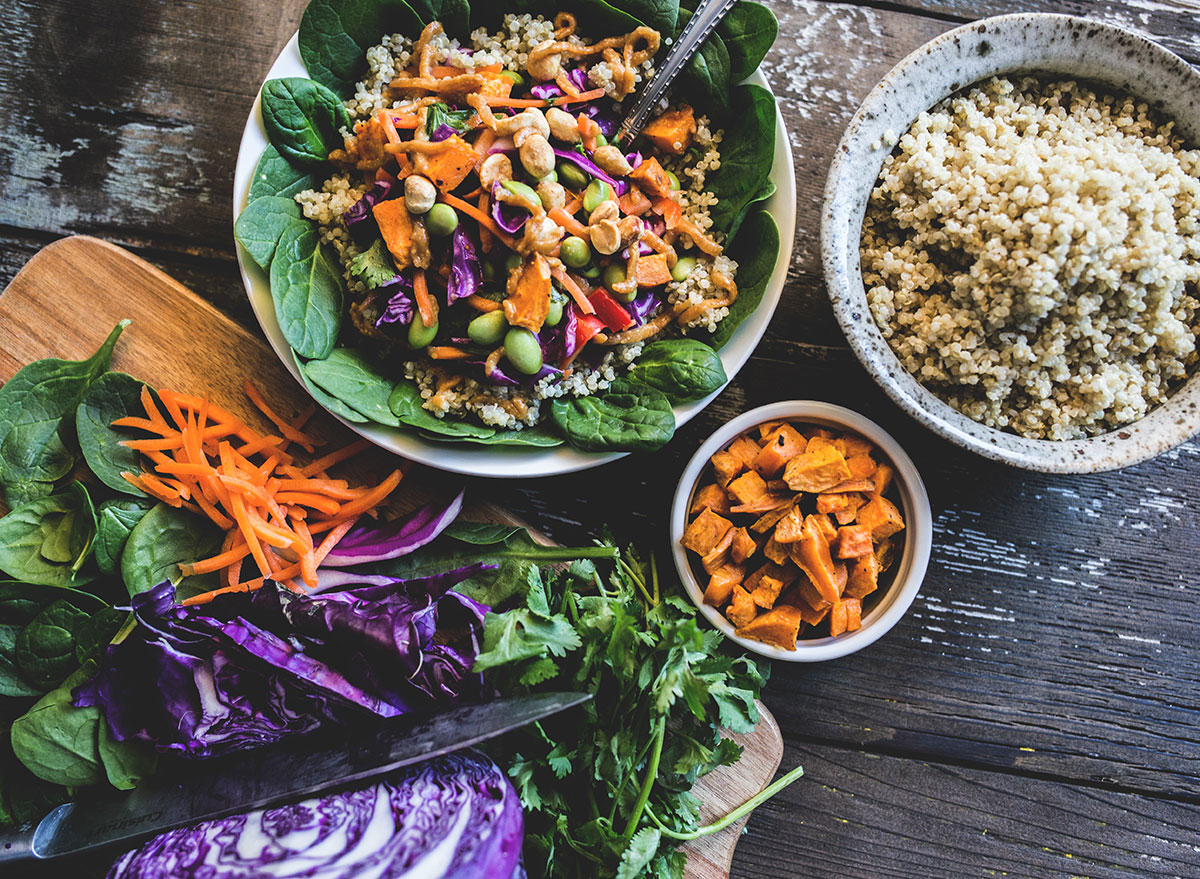
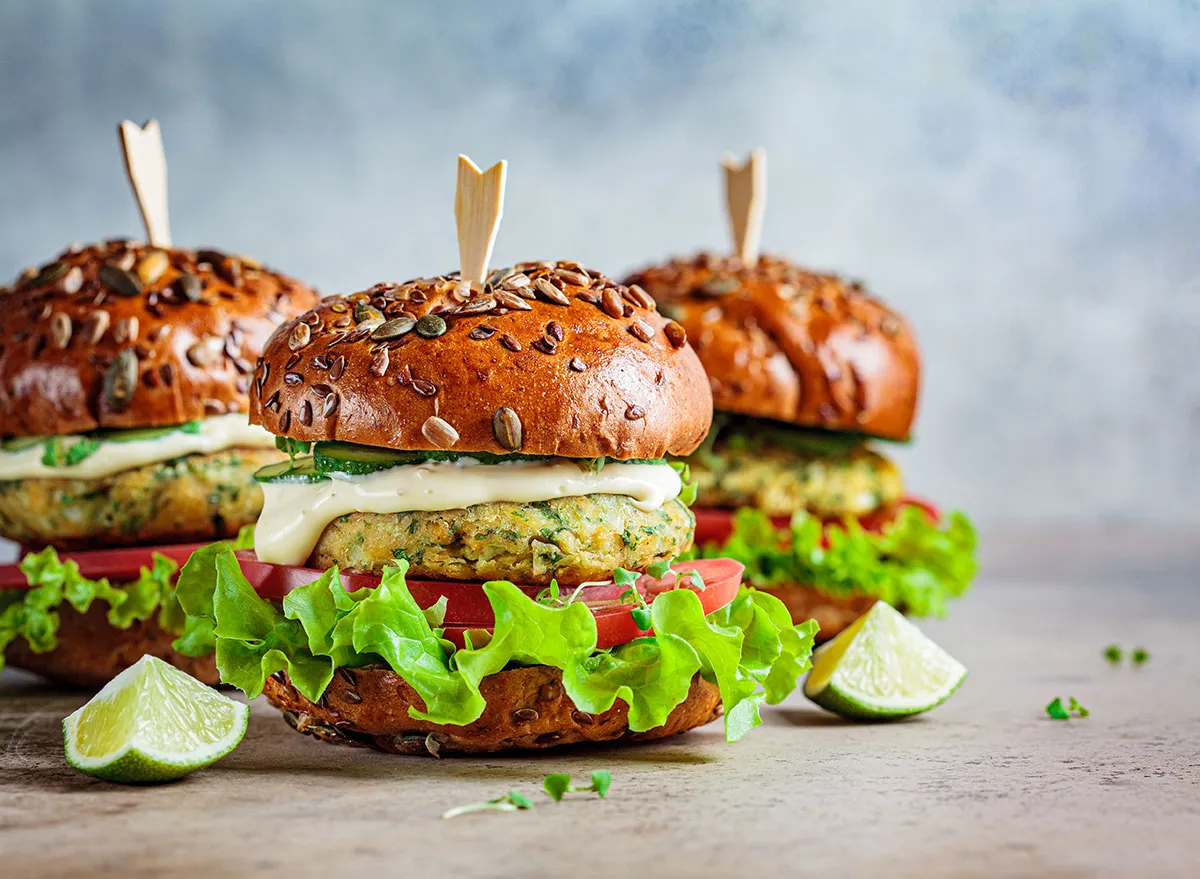
Meals that are based around minimally-processed, animal-free items—fruits, vegetables, whole grains, pulses (beans and legumes), nuts, seeds, spices, and oils—have been linked with a multitude of health benefits. And now, the American Heart Association (AHA) has recently released two research studies that provide further evidence to enjoy more meatless dishes.
Here are four reasons why you may want to consider adding some vegetarian/vegan/flexitarian/Mediterranean/plant-based specialties to your meal plan, and for even more healthy eating tips, be sure to check out our list of The Best and Worst Foods to Eat on a Plant-Based Diet.1
They can reduce your risk of heart disease.
Shutterstock
Following a plant-based lifestyle today may keep your heart healthy down the road. One of the studies published in the Journal of the American Heart Association monitored the eating habits of 4,946 adults between the ages 18 and 30 over a 32-year period. The participants were asked to offer their detailed diet history while the authors rated their food choices on a scale. Beneficial foods (fruits, veggies, beans, nuts, and whole grains) scored the highest while adverse foods (high-fat red meat, fried foods, salty snacks, pastries, and soft drinks) were given low scores.
After taking other risk factors into consideration (such as genetics, smoking, and exercise habits), the volunteers who scored in the top 20% on the long-term diet scale had a 52% less chance of suffering from a cardiovascular condition three decades later. Furthermore, the adults who changed their food choices for the better somewhere between years 7 and 20 of the study were 61% less likely to be diagnosed with a subsequent cardiovascular disease compared to the participants who opted for more adverse foods.
“I am not surprised that consuming more plant-based foods would benefit cardiovascular health,” says Erin Palinski-Wade, RD, a certified diabetes care and education specialist and author of 2 Day Diabetes Diet. She explains that a plant-forward eating pattern not only means that your meals will be low in inflammatory-inducing saturated fats, but it boosts your intake of antioxidants, as well as fiber.
“Eating a diet rich in antioxidants can cool off inflammation—a driver of chronic disease,” she continues. “In addition, diets high in fiber have been shown to have a positive impact on both blood lipids and gut health, which may, in turn, reduce the risk of future cardiovascular disease.”
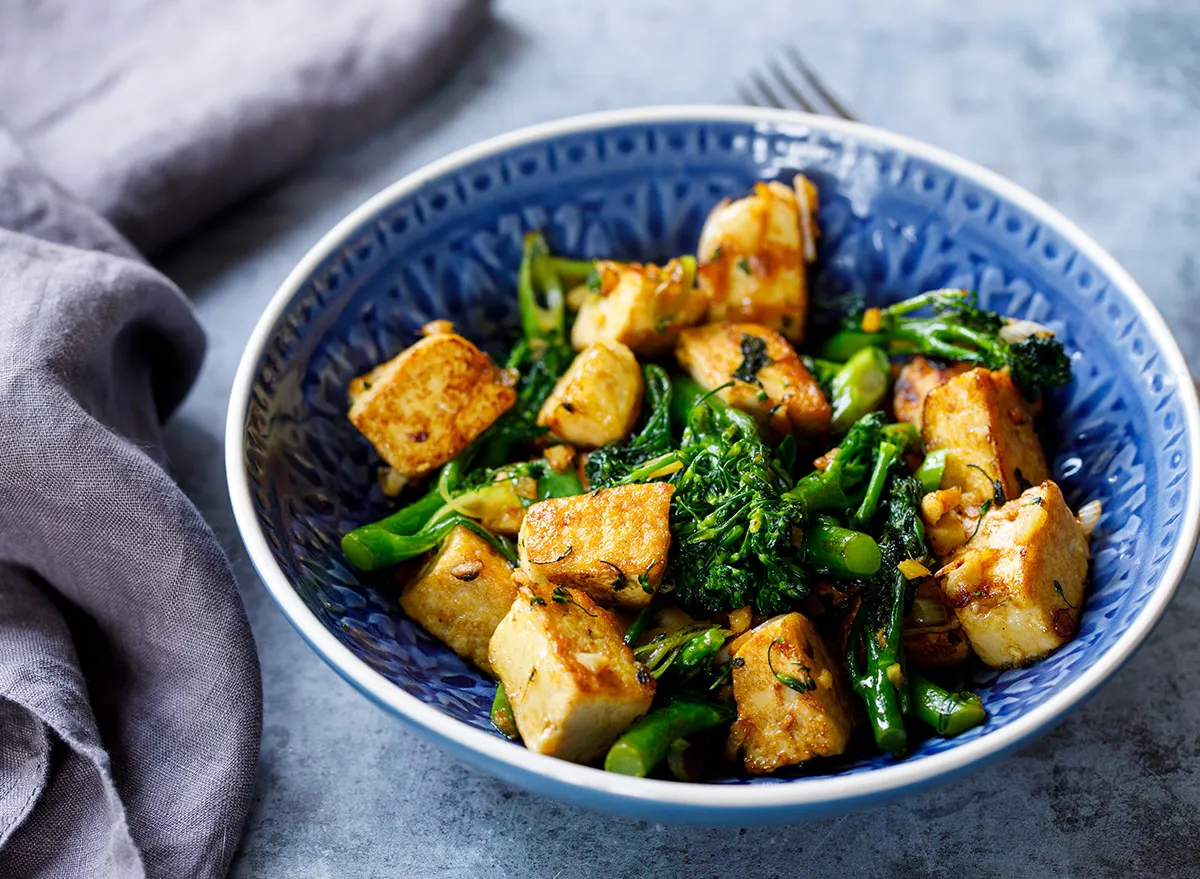
The second study from the AHA consisted of 123,330 postmenopausal women between 50 and 79 years of age who were not living with heart disease. The females filled out food questionnaires over the course of 15 years where the authors scored based on how closely they followed the Portfolio Diet, a plan that is devised of cholesterol-lowering plant foods (including plant proteins like soy, beans, and tofu, and soluble fiber foods like oats, barley, okra, eggplant, apples, and berries).https://c01f1ddc0a2887f1961cda1d7a0377cf.safeframe.googlesyndication.com/safeframe/1-0-38/html/container.html
The findings, which were published in the Journal of the American Heart Association, indicated that the women who frequently stuck to the Portfolio Diet were 17% less likely to develop heart failure, 14% less likely to develop coronary heart disease, and 11% less likely to develop any type of cardiovascular disease.
“We also found a dose response in our study, meaning that you can start small, adding one component of the Portfolio Diet at a time, and gain more heart-health benefits as you add more components,” said Andrea J. Glenn, MSc, RD, lead study author and doctoral student at the University of Toronto in a press release.3
They may help keep your brain young.
Shutterstock
Last month, the American Academy of Neurology announced that even minimal servings of colorful, plant-based foods—including strawberries, blackberries, and oranges—could have the ability to reduce the risk of cognitive decline by 20%.
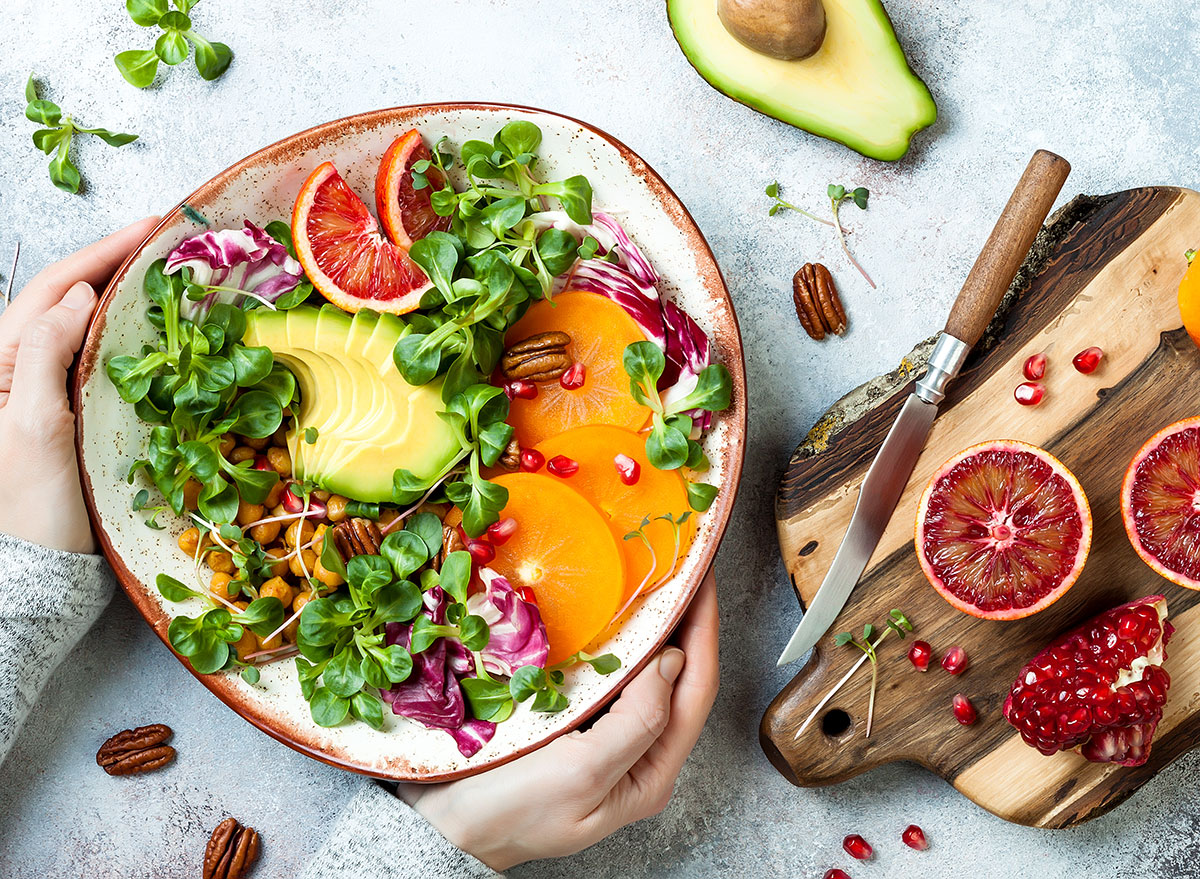
Thanks to certain types of flavonoids (a class of plant compounds that offer powerful antioxidant effects), cognitive impairment was decreased by 24% (seen in those who consumed more red, purple, and blue foods, such as cherries and blueberries) and by 38%—which equates to being three to four years younger than your true age—among the volunteers who ate orange and yellow fruits and vegetables.
“The people in our study who did the best over time ate an average of at least half a serving per day of foods like orange juice, oranges, peppers, celery, grapefruits, grapefruit juice, apples and pears,” said study author Walter Willett, MD, DrPH, professor of epidemiology and nutrition at Harvard, in a press release. “And it’s never too late to start because we saw those protective relationships whether people were consuming the flavonoids in their diet 20 years ago, or if they started incorporating them more recently.”4
They can improve your blood sugar levels…and mood!
For example, fasting blood glucose levels “fell more sharply” among the participants who ate little to no animal-based products while their symptoms of depression “improved significantly.”
“These findings make a lot of sense,” states Palinski-Wade. “If you have elevated blood glucose levels, a plant-based diet can have a positive impact on gut health.” The reason: Numerous plant foods (like onions, garlic, leeks, asparagus, and bananas) are packed with prebiotic fiber, a form of dietary fiber that feeds the “friendly” bacteria that reside in the digestive system.
“The metabolism of these compounds release beneficial short-chain fatty acids, which have been shown to reduce inflammation, along with improving insulin sensitivity, which ultimately improves blood sugar levels,” she explains.
And as a result, avoiding high and low blood sugar swings will help keep your emotions in check, too. “Since blood glucose regulation and gut health can have a direct impact on mood, a diet that balances blood glucose may also lead to improvements in mood,” adds Palinski-Wade.
Don’t be misled by marketing claims that animals are raised in a “stress-free” environment and transported in “comfort.”
This suffering will not be stopped by the police or any company. Only you can stop it—by not paying for it. Avoid all animal-derived foods, even so-called “humane,” “organic,” and “free-range” meat, eggs, and milk. As long as profit is involved, animal welfare always takes a back seat.
Urge Whole Foods and G.A.P. to stop duping consumers with false “humane meat” claims.
1 of 2
Take action now!SubjectMessageAll fields in bold are mandatory.Get texts & occasional phone calls for Action Alerts, local events, & other updates to help animals with PETA! (optional) By clicking, you agree to receive automated texts and calls from PETA and accept our terms and conditions. Message and data rates may apply. U.S. mobile users only. You can opt-out anytime.By submitting this form, you are agreeing to our collection, storage, use, and disclosure of your personal info in accordance with our privacy policy as well as to receiving e-mails from us.
If you think you have what it takes to carry out undercover investigations like this one, we want to hear from you. Click here to share your gratitude with the investigator who exposed this cruelty.
Now that you’ve taken action, watch PETA President Ingrid Newkirk explain why there is no such thing as “humane meat.”https://www.youtube.com/embed/BfUBMKwVl7Q?feature=oembedFacebook