Pangolin scale lawsuit in Indonesia could shake up how wildlife traffickers pay
Reply

Date: October 27, 2026Author(s): Kitty Block
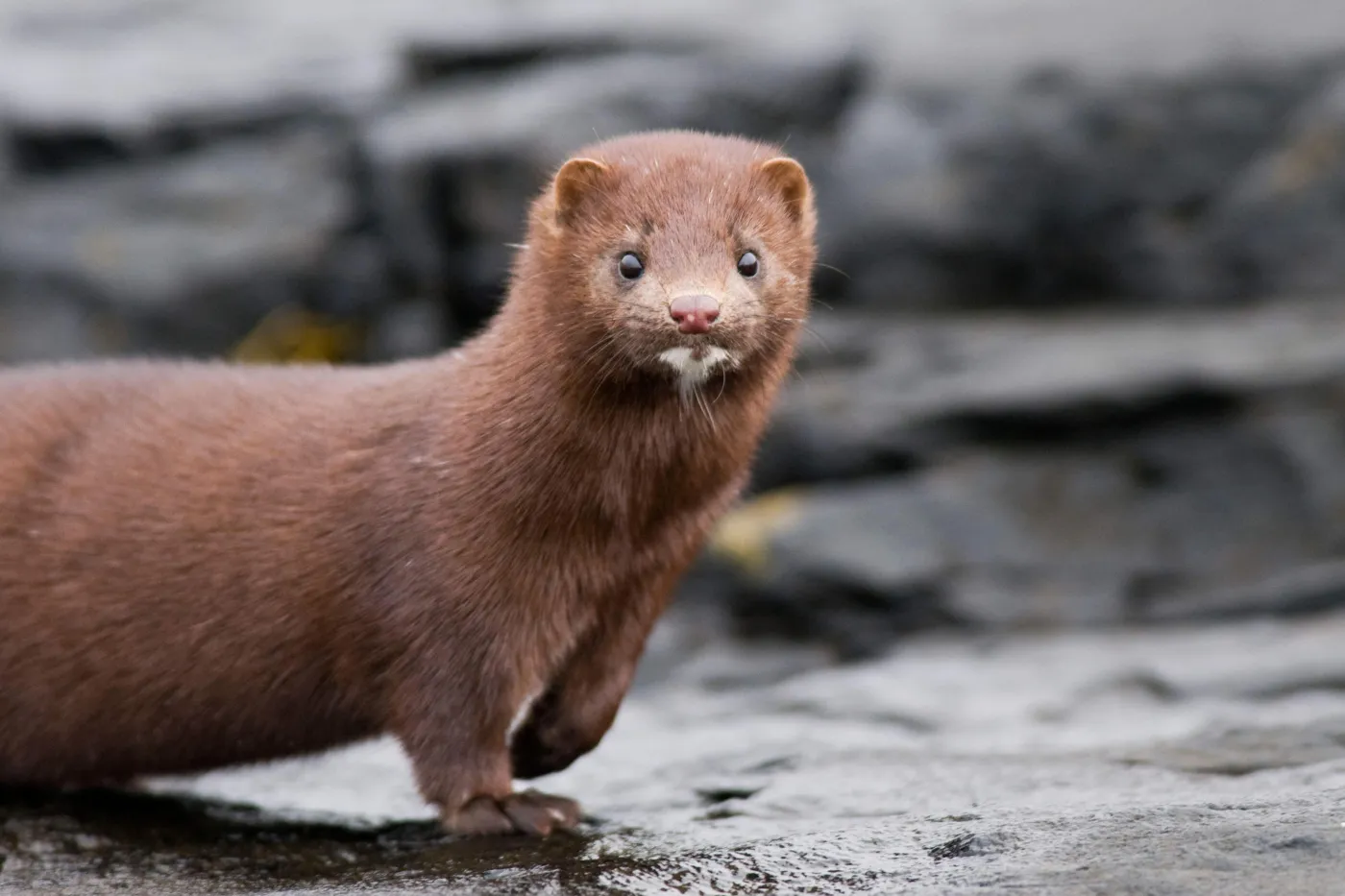
Denmark’s decision to end mink fur farming reflects a profound shift in how our global society views animals.
Ever since the European Union listed American mink as an invasive species, countries have the option to seek the special permit from the European Commission to allow mink farming to continue. Denmark has decided not to pursue this exemption.
The decision carries particular weight because Denmark was once the world’s leading mink fur producer. When a country so closely associated with fur production decides to end mink farming, it shows just how far we’ve come.
For decades, fur farming was treated as a legitimate industry. Today, growing numbers of people see the inherent wrongs of this business model: They see that it involves raising wild animals in tiny cages where they go insane from stress. They see that these cages are crammed together in fur factory farms, hell-on-earth hotbeds for zoonotic disease to spread. And they see what it’s all in the service of: A fur trim on a coat or pom-pom on a hat. They see that this system is fundamentally cruel and out of step with modern values.
As public attitudes have evolved, institutions have followed. People are choosing fur-free alternatives and bio-based textiles and innovative companies are reinventing the very fabric of fashion. Major brands are dropping fur. Famous fashion weeks and media outlets have distanced themselves from the fur industry. Governments are increasingly concluding that the wrongs to animals and the inevitable risks to public health leave no doubt that it’s simply not worth propping up a dying industry.
Systemic change happens when there is an alignment in the facts, public values and collective will.
The European Food Safety Authority’s findings that meaningful welfare improvements are impossible within current cage-based fur production systems helped shape Denmark’s decision and reinforced concerns that many citizens already held. Increasingly, policymakers are recognizing that some forms of animal exploitation cannot be reconciled with modern animal welfare standards and ethics.
The result is a rapidly changing landscape across Europe. Fur farming is already banned in most European countries, and the industry continues to flounder. However, more than 6 million mink, fox, raccoon dogs and other animals are still confined in small wire cages on nearly 1,200 fur farms in the EU. That’s more than 6 million too many.
The European Commission now has an opportunity to respond to that momentum and deliver the EU-wide fur farming ban demanded by more than 1.5 million citizens.
This momentum reflects an expanding public moral concern for animals and a growing determination to translate that concern into lasting change. Denmark’s decision demonstrates that progress for animals is increasingly being driven by society-wide expectations about how animals should be treated.
This is how monumental change happens. And it’s these calls for a kinder more compassionate orientation toward the marketplace that are shaping the future for animals and our shared world with them.
Kitty Block is president and CEO of Humane World for Animals. Follow Kitty Block on X.
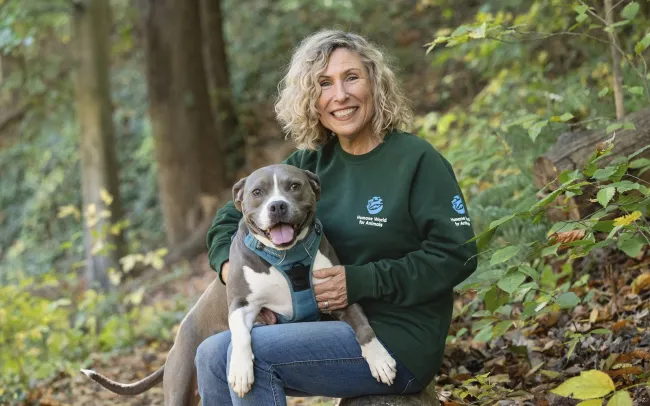
Kitty Block is the chief executive officer and president of Humane World for Animals, as well as the chief executive officer of Humane World Action Fund.

“A Humane World” is the official blog of Humane World for Animals—a first-hand account of our ongoing efforts to protect animals, as told by our president and CEO, Kitty Block. Subscribe for daily or weekly updates.

By AGDAILY Reporters Published: October 27, 2026
Washington’s Bird Flu Cases in Dairy Have Tripled in Just a Week
Image by Ewa Studio, Shutterstock
Bird flu is spreading fast through Washington’s dairy industry. In less than three weeks, the state has gone from zero confirmed infections to a reported 27 affected herds, with the virus reaching a second county and a dairy worker testing positive for H5N1.
According to an report today from Avian Flu Diary, Washington’s dairy herd detections jumped from nine late last week to 27, based on an update to the Washington State Department of Agriculture’s surveillance dashboard. The increase had not yet appeared on the USDA’s national livestock dashboard at the time of the report.
The surge comes less than three weeks after Washington confirmed its first two H5N1 infections in dairy cattle on Oct. 8 in Yakima County. Before those detections, the state had recorded more than 7,000 negative surveillance tests over the previous two years.
Washington is not alone. According to USDA data cited by Dairy Herd Management, Texas reported four affected dairy herds and Kansas reported one during the preceding 30 days.
Since H5N1 was first confirmed in U.S. dairy cattle in March 2024, infections have been detected in 19 states. On Oct. 26, the Washington State Department of Agriculture confirmed the first H5N1 detection in a Benton County dairy herd, marking the spread of the virus beyond Yakima County.
The infection was identified through routine surveillance by the Washington Animal Disease Diagnostic Laboratory and confirmed by the USDA’s National Veterinary Services Laboratories.
Unlike Washington’s initial detections, which followed reports of illness in cattle, the Benton County infection was identified before cows showed clinical signs.
The affected herd has been placed under quarantine, and veterinarians are treating sick animals. State officials said strict biosecurity measures have been implemented to limit further transmission.
“Seeing the virus move to another county is disappointing but our dairy farmers are working hard to implement their biosecurity plans, share lessons learned and help each other get through this,” said Washington State Veterinarian Amber Itle.
“This isn’t new for the country, but it is new for Washington. I’ve been in awe of how hard our veterinarians and dairy farmers work together every day to keep their cows healthy, keep their workers safe and keep operating despite all the uncertainty this virus brings with it. This detection was through routine surveillance enabling us to detect the virus before cows got sick. We hope this will help us to implement measures on farm to prevent transmission within or between other dairy or poultry facilities.”
According to Avian Flu Diary, Washington officials plan to issue news releases when H5N1 is detected in a new county, while subsequent infections within previously affected counties will be reported through the state’s online dashboard.
That reporting approach may explain why the sharp increase in herd detections has not been accompanied by individual announcements for every new case.
With approximately 400 dairy farms statewide, the 27 reported detections would represent roughly 7 percent of Washington’s dairy operations, assuming each detection represents a separate farm.

Washington agriculture officials are urging producers to monitor cattle closely and report suspected infections immediately.
Clinical signs of H5N1 in dairy cattle can include changes in milk appearance, including thicker milk that may appear yellowish or brown, along with reduced milk production and decreased feed intake.
Other symptoms include fever, respiratory problems, changes in manure, and a steep decline in rumination and rumen motility.
Producers who observe these symptoms should isolate affected animals and contact their veterinarian.
According to WSDA, most infected cattle recover with supportive care, although full herd recovery typically takes four to six weeks.
The virus can spread between dairy cattle through infected animals, contaminated milk, equipment, vehicles, clothing, footwear, and people moving between farms.
Wild birds can also carry H5N1, but state officials say they are not considered the primary source of transmission of the strain currently affecting dairy herds.
The department recommends limiting cattle movement between farms, avoiding shared equipment and workers, disinfecting footwear, restricting visitors, isolating newly introduced animals for 30 days, and separating sick cattle whenever possible.
Good milking hygiene is particularly important because infected cattle can shed high concentrations of the virus in milk. Milk from sick or suspected animals should be kept out of the bulk tank.
The growing outbreak has also resulted in a confirmed human infection. On Oct. 15, the Yakima Health District and Washington State Department of Health announced that an adult dairy worker had tested positive for avian influenza after exposure to infected cattle.
The worker developed eye irritation and upper respiratory symptoms but did not experience severe illness or require hospitalization. The individual was isolating at home, according to Global Biodefense.
State laboratory testing initially detected an H5 influenza virus, and subsequent testing by the Centers for Disease Control and Prevention confirmed H5N1.
The case was the first confirmed human H5 infection associated with a dairy worker in Washington. Public health officials have been contacting the worker’s close contacts, monitoring for symptoms, and arranging testing or treatment when needed.
The Yakima Health District has also been working to provide personal protective equipment to employees at affected dairy operations.
The CDC continues to assess the risk to the general public as low. No human-to-human transmission has been identified in connection with the Washington case. However, people who work directly with infected cattle or poultry face a greater exposure risk.
Health officials recommend that workers handling potentially infected animals wear gloves, masks, eye protection, and fluid-resistant protective clothing.
News brief
October 27, 2026
Topics

