The Prohibit Wildlife Killing Contests Act of 2022 introduced to end federally permitted, prize-driven wildlife massacres
WASHINGTON — Today, more than 15 members of Congress introduced legislation that would prohibit organizing, sponsoring, conducting, or participating in wildlife killing contests on more than 500 million acres of U.S. public lands.
The Prohibit Wildlife Killing Contests Act of 2022, whose introduction was led by Rep. Steve Cohen (D-Tenn.), would require the Bureau of Land Management, Bureau of Reclamation, National Park Service, U.S. Fish and Wildlife Service, and U.S. Forest Service to enact regulations banning wildlife killing contests within a year. Eight states — Arizona, California, Colorado, Maryland, Massachusetts, New Mexico, Vermont and Washington — have already outlawed these events within their borders.
Wildlife killing contests are organized competitive events in which participants compete for cash or prizes by killing the most, the largest, or sometimes the smallest animals over a certain time…
OMAHA, Neb. (AP) — The spread of a bird flu that is deadly to poultry raises the grisly question of how farms manage to quickly kill and dispose of millions of chickens and turkeys.
United Poultry Concerns president Karen Davis was interviewed for this article and is quoted in it on the horrific methods that are being used to exterminate millions of chickens and turkeys suffering the consequences of avian influenza on industrial farms in the United States. Regardless of the methods being used to kill them, the birds are NOT dying “quickly” but slowly in excruciating agony.
It was a spring morning when Elise Rustad saw the creature loping down a Toronto sidewalk. At a distance, it looked like a dog, but no owner was nearby. As it drew closer, she was struck by its size and its thick black, white and grey coat.
“It was big. I’ve seen a wolf before,” she said. “And that really looked like a wolf.”
After watching the video she hadrecorded, her husband suspected it could be something else.
Experts say eating WFPB meals instead of animal products is much better for the environment, boosts immunity and reduces risks of chronic diseasesCalorie for calorie it can also be US$750 a year cheaper, research has found – useful savings as food costs around the world soar
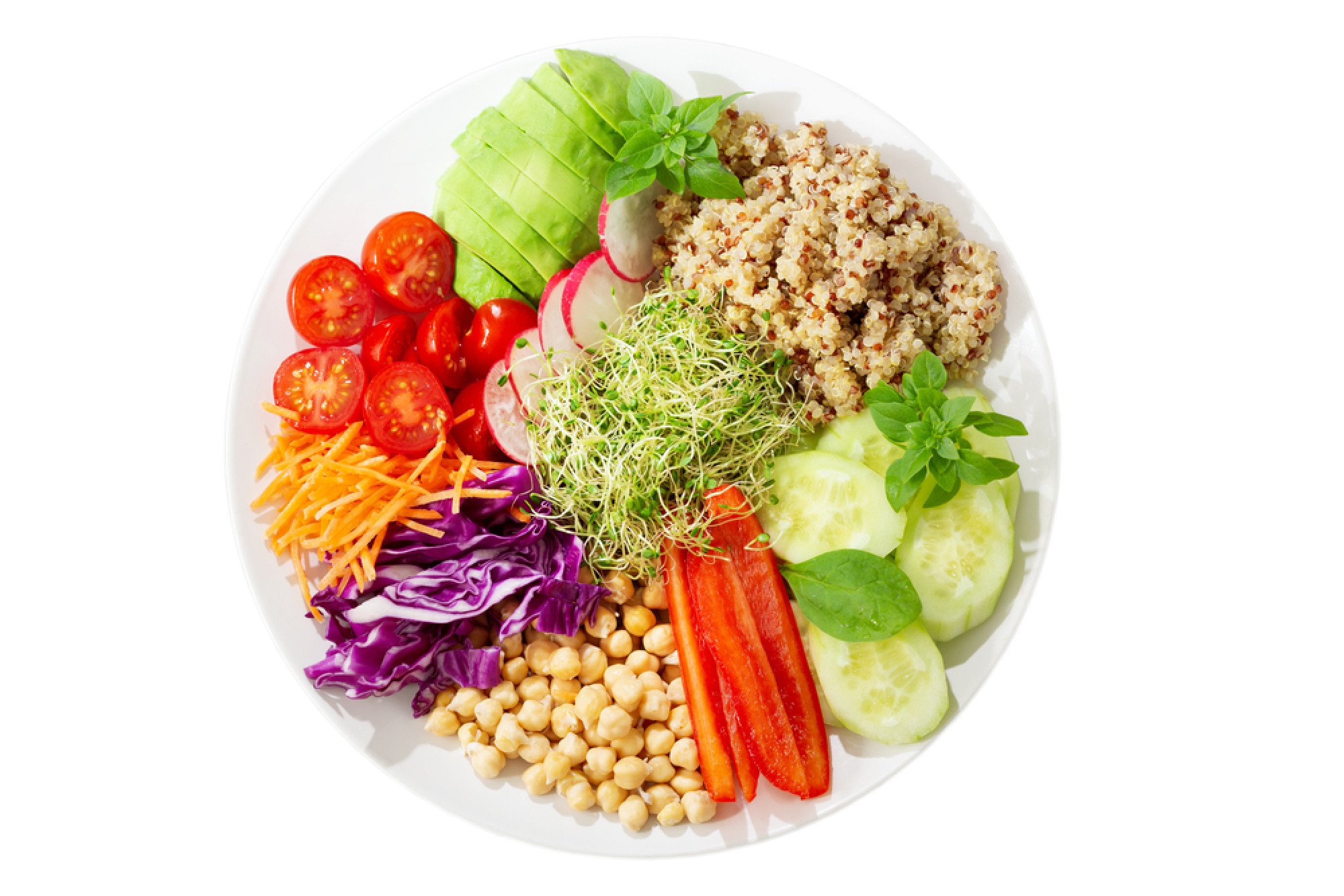
A whole-food plant-based (WFPB) lifestyle includes eating foods derived mainly from plants, such as whole grains, beans, legumes, nuts, seeds, vegetables and fruits, and few or even no animal products. Photo: Shutterstock
Food prices are soaring around the world, while recent global events, including the Covid-19 pandemic, have led to food shortages and disruptions in our food supply chains.
Food producers are also having to deal with issues related to climate change. One-third of global food production will be at risk by the end…
Experts say eating WFPB meals instead of animal products is much better for the environment, boosts immunity and reduces risks of chronic diseasesCalorie for calorie it can also be US$750 a year cheaper, research has found – useful savings as food costs around the world soar
A whole-food plant-based (WFPB) lifestyle includes eating foods derived mainly from plants, such as whole grains, beans, legumes, nuts, seeds, vegetables and fruits, and few or even no animal products. Photo: Shutterstock
Food prices are soaring around the world, while recent global events, including the Covid-19 pandemic, have led to food shortages and disruptions in our food supply chains.
Food producers are also having to deal with issues related to climate change. One-third of global food production will be at risk by the end of the century if greenhouse gas emissions continue to escalate at their current rate, according to research from Aalto University in Finland, published in May 2021 in the journal One Earth.
Other challenges – from pollution and land degradation to water scarcity – also pose a growing threat to our food supply.
On World Health Day 2022, on April 7, the World Health Organization (WHO) launched the “Our Planet, Our Health” campaign, highlighting the interconnectedness between our well-being and that of the planet, urging us all to consider how our actions exacerbate human health and environmental problems.
“The climate crisis is a health crisis,” says Maria Neira, director of the WHO’s department of public health and environment. “Let’s reimagine a world where clean air, water and food are available to all. Where economies are focused on health and well-being. Where cities are liveable, and people have respect for their health and the health of the planet.”
One of the easiest and most practical ways we can contribute to this endeavour is by adopting a whole food plant-based (WFPB) lifestyle. This includes eating foods derived mainly from plants, such as whole grains, beans, legumes, nuts, seeds, vegetables and fruits, and few or even no animal products.
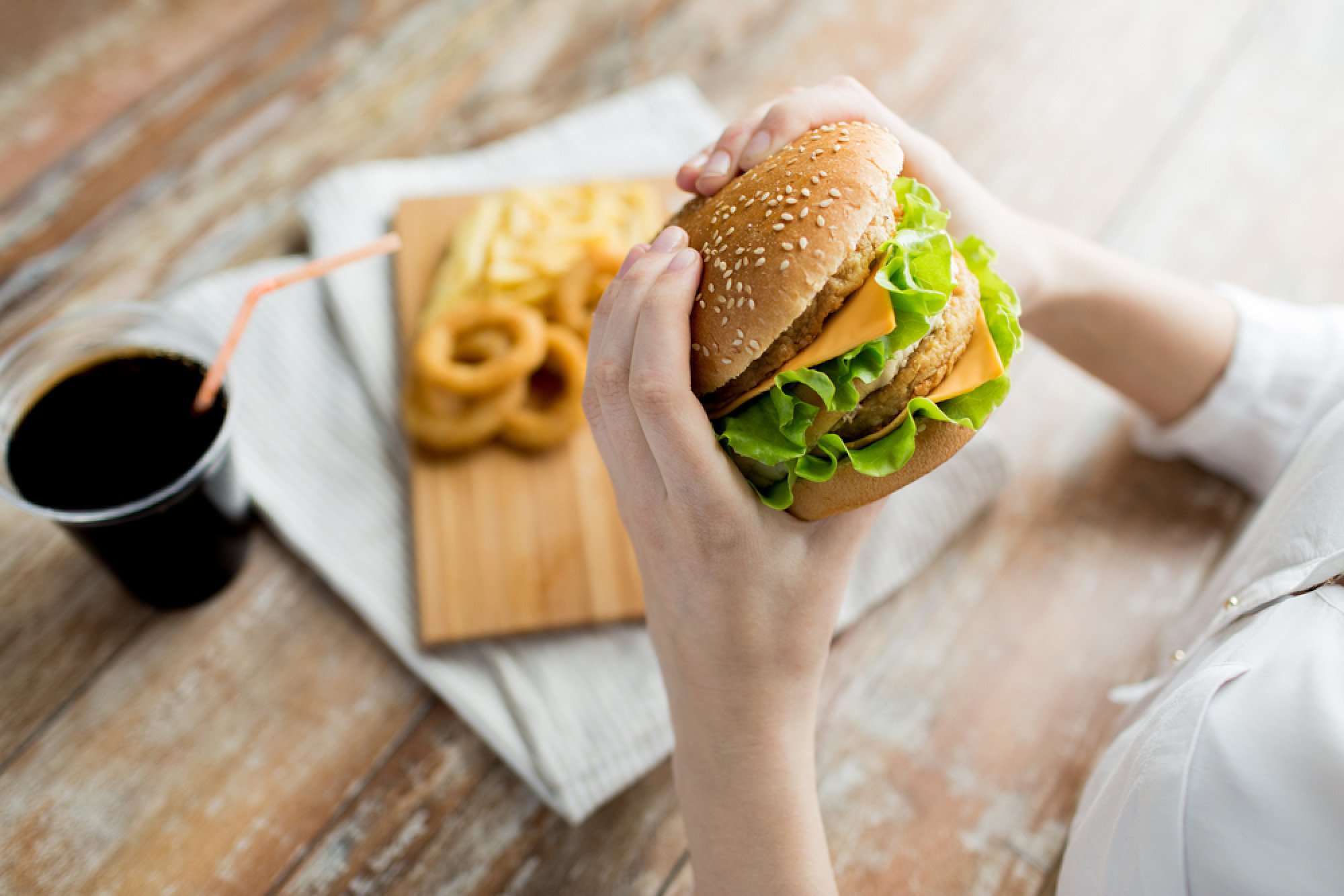
Eating animal products such as hamburgers instead of WFPB foods can significantly increase your carbon footprint. Photo: Shutterstock
A WFPB lifestyle benefits the environment in a number of ways, says dietitian Anna Herby, who is the nutrition education programme manager with the US-based Physicians Committee for Responsible Medicine, a non-profit that promotes a plant-based diet, preventive medicine, and alternatives to animal research.
For one, a WFPB helps reduce greenhouse gas emissions, she says. “By avoiding meat, you can significantly reduce your carbon footprint.”
A 2018 report by independent non-profit researcher Grain and the US Institute for Agriculture and Trade Policy found that the world’s five largest meat and dairy companies – JBS, Tyson Foods, Cargill, Dairy Farmers of America, and Fonterra – were responsible for more combined greenhouse gas emissions than ExxonMobil, the biggest oil and gas producer, Herby explains.
Dietitian Anna Herby.
“Eating one fast-food-style hamburger – about 75g of beef – each day for a year contributes the same greenhouse gas emissions as driving a car across the United States 2.5 times, or 7,196 miles [11,580km],” she says.
EVERY SATURDAY
SCMP Global Impact Newsletter
By submitting, you consent to receiving marketing emails from SCMP. If you don’t want these, tick here
“If you compare this to eating a third of a can of beans each day for a year, it would be like driving a car only 93 miles.”
She adds that a report in medical journal The Lancet showed that shifting toward more plant foods and less animal products is optimal, and that a vegan and vegetarian diet is linked to the greatest reductions in greenhouse gas emissions.
Switching to a WFPB lifestyle also uses less water, because animal products require more water than most plant-based foods. For example, water is used to grow crops such as corn and soy, which are then fed to farmed animals – which also require water to grow and survive.
Rather than using all this water to feed people with animal products, we can be more efficient by eating the crops directly and cutting out the middle step of animal agriculture, Herby says.
The water used per calorie of beef is about 20 times as much as for whole grains and starchy vegetables, according to a 2010 report from the Institute for Water Education. Per gram of protein, milk, eggs and chicken require about 1.5 times more water than legumes like beans, chickpeas and lentils, while beef requires six times as much water per gram of protein than legumes.
A balanced plant-based diet can provide all the nutrients you need except vitamin B12. Photo: Shutterstock
The same concept applies to land use.
“We are using land to grow crops to feed animals and then using up more land to graze these animals,” Herby says. “If we switched to eating beans instead of beef, 42 per cent less cropland would be needed. Because feeding livestock takes up about one-third of the earth’s ice-free land mass, this shift to beans could make a huge difference.
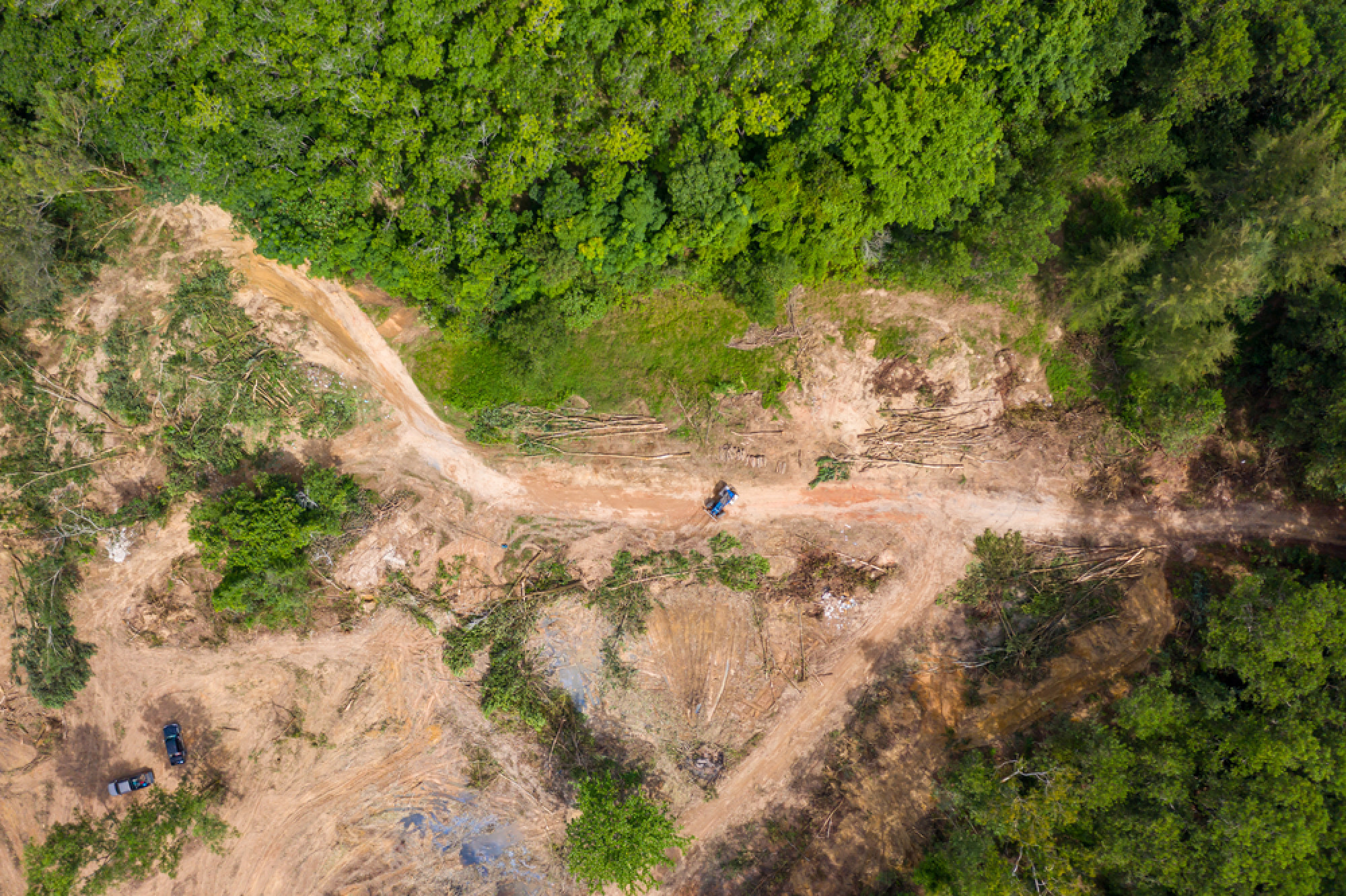
“In addition, we are losing forests, especially rainforests, because they’re being cleared for growing crops to feed animals. Trees and forests are important for keeping our air clean; we don’t want to lose them.”
A WFPB lifestyle is also associated with numerous positive health outcomes, says Cyrus Luk Siu-lun, a dietitian at Matilda International Hospital in Hong Kong and an executive committee member of the Hong Kong Dietitian Association.
These include better weight management (healthier weight and lower body fat); a reduced risk of high blood pressure, high blood sugar and high cholesterol; and a reduced risk of chronic diseases such as constipation, gout, diabetes, liver disease, heart disease and some types of cancers, he says.
It also improves our gut health and strengthens our immunity against infection and disease, Luk says.
Dietitian Cyrus Luk.
You’ll find key nutrients like iron in foods such as lentils, beans, kale, spinach and pumpkin seeds; calcium in cabbage, bok choy, almonds and oranges; iodine in sea vegetables; zinc in soy products, seeds and nuts; and omega-3 fats in flax seeds and walnuts.
“Make sure your meal is balanced,” Luk says. “Approximately half your plate should consist of fruit and vegetables. Aim for different colours and varieties so you get a range of nutrients.
“Whole grains are high in fibre, vitamins and minerals, and are thus preferable to refined grains like white rice and white bread,” he adds. “Protein is important, too. Plant-based sources include tofu, beans, legumes, nuts and seeds.”
Eating animal products contributes to more deforestation – more land is needed for crops to feed animals, and to graze those animals. Photo: Shutterstock
A balanced plant-based diet can provide all the nutrients you need except vitamin B12. A supplement or B12-fortified foods may come in handy in this case, Herby advises.
Tips for an economical plant-based diet
With rising food costs on everybody’s minds, it helps to know that whole plant foods are generally more affordable because the ingredients are simple and widely available. Herby says that beans and whole grains are cheaper when bought dry and in bulk.
Luk recommends buying produce that’s in season, when it’s less expensive. You can also stock up on frozen fruit and veggies, which are affordable, convenient and available year-round.
“Frozen produce can be as nutritious as the fresh variety,” Luk says. “They’re often washed, blanched, frozen and packaged within a few hours of being harvested.
“This preserves their freshness as well as their nutrients. Frozen fruit and vegetables are still a good source of dietary fibre, vitamins, minerals, and other nutrients like phytochemicals and antioxidants.”
Other ways to slash your grocery bill include shopping at wet markets and farmers’ markets, and investing in kits that let you grow vegetables, fruit and herbs in your kitchen or on a balcony. You can even rent rooftop gardens or small parcels of land to grow your own organic produce.
The economic advantages of a WFPB lifestyle are well-documented. A 2015 study published in the Journal of Hunger & Environmental Nutrition compared two meal plans, both 2,000 calories. One followed a typical, omnivorous, Western dietary pattern and the other was plant-based. For the same number of calories, the plant-based plan resulted in savings of US$750 a year.
“This is just what you save at the supermarket,” Herby says. “The health benefits of eating plant-based, like fighting obesity, heart disease, diabetes, certain types of cancers, and other chronic illnesses, can keep you off medications and out of the doctor’s office, ultimately saving more money in the long run.”
The amount of methane in the atmosphere has spiked to historic highs and is increasing at its fastest recorded rate, according to the National Oceanic and Atmospheric Administration.
The greenhouse gas — which is the second-biggest contributor to Earth’s warming — is more potent than carbon dioxide, the primary driver of climate change, but also breaks down much quicker, which makes its impacts more short-lived.
Reining in methane emissions could be one of the easiest and most effective immediate actions to slow down climate change, some experts say.
Atmospheric methane levels rose by 17 parts per billion in 2021, NOAA said in a Thursday news release. Total levels of atmospheric methane are 162 percent greater than preindustrial levels and about 15 percent higher than they were several decades ago.
Carbon dioxide in the atmosphere remains the primary and long-term driver of climate change. Its levels also continue to increase and reach new highs, the agency said.
Reducing methane pollution has become a recent focus during international climate talks. Even though it is a short-lived driver of climate change, methane can have a pronounced effect because it absorbs much more heat and energy than carbon dioxide.
“Our data show that global emissions continue to move in the wrong direction at a rapid pace,” NOAA Administrator Rick Spinrad said in a news release. “Reducing methane emissions is an important tool we can use right now to lessen the impacts of climate change in the near term, and reduce the rate of warming.”
The most recent United Nations Intergovernmental Panel on Climate Change analysis estimated that methane’s potential contribution to global warming is more than 81 times that of an equivalent amount of carbon dioxide when impacts are measured over 20 years.
Get the Morning Rundown
Get a head start on the morning’s top stories.SIGN UPTHIS SITE IS PROTECTED BY RECAPTCHA PRIVACY POLICY | TERMS OF SERVICE
Methane accounted for about 18 percent of all greenhouse gas emissions in 2019, according to the latest IPCC report.
Methane has many sources. It is the primary component of natural gas, a byproduct of raising livestock like cows and a gas that’s released as organic matter decays in wetlands.
“It’s both good news and bad news. Its human-related sources are quite varied, many of which are relatively straightforward to tackle,” Edmonds said in an interview about the newest IPCC findings.
Capturing methane produced by landfills, eating less meat from ruminant livestock, shifting how livestock are nourished and “tightening up” the production and transportation of natural gas could make a sizable difference in global warming by reducing methane emissions.
The IPCC estimated about 6 percent of global methane emissions are “fugitive emissions” leaked during the production and transportation of fossil fuels.